






What's Happening?
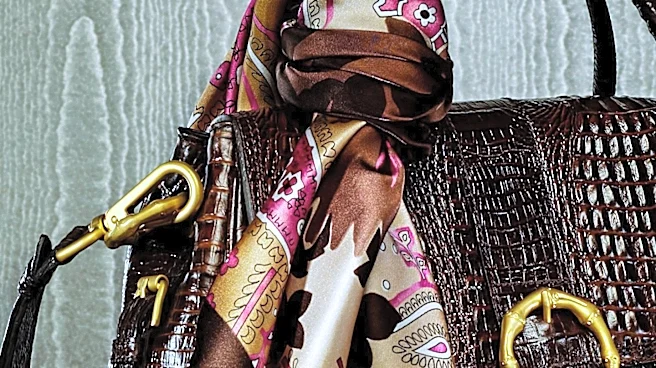
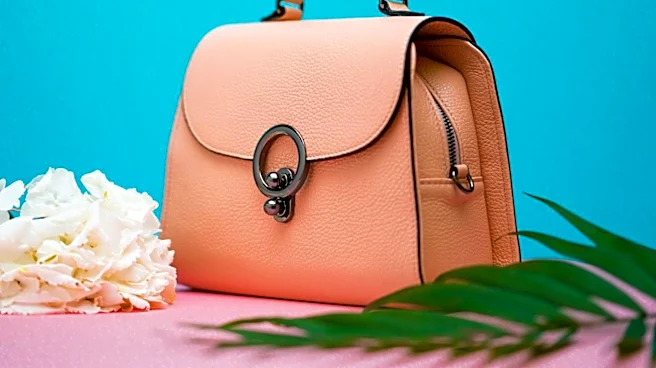
Bottega Veneta, a luxury brand established in 1966, is being highlighted for its sophisticated design, signature Intrecciato weave, and strong contemporary identity, which contributes to its notable resale value. The brand's focus on high-quality craftsmanship
and minimalist aesthetic has positioned it among 'modern collectibles' in the luxury market, alongside brands like Gucci and Loewe. This recognition is based on an analysis of the luxury bag pyramid, which ranks brands by heritage and resale value. Bottega Veneta's ability to build desirability without a prominent logo, through innovative creations and new silhouettes like Andiamo, underscores its unique market position. The brand offers a diverse range of products, including bags, shoes, clothing, and eyewear, all reflecting its commitment to quality and modern design.
Why It's Important?
The strong resale value of luxury brands like Bottega Veneta is important for the U.S. market as it reflects evolving consumer preferences and investment trends within the luxury goods sector. For consumers, a high resale value means that luxury purchases can be viewed not just as discretionary spending, but as potential assets that retain or even appreciate in value. This trend influences purchasing decisions, encouraging buyers to invest in brands known for their enduring appeal and quality. For the U.S. luxury retail industry, the emphasis on 'modern collectibles' indicates a shift from purely heritage-driven value to one that also recognizes contemporary design and cultural relevance. This can drive innovation among brands and impact marketing strategies, as companies aim to cultivate a strong brand identity that resonates with current trends and ensures long-term desirability, even without overt branding.
What's Next?
The continued emphasis on contemporary identity and strong resale value for brands like Bottega Veneta suggests that other luxury brands in the U.S. market may increasingly focus on similar strategies. This could lead to more brands investing in unique design elements, high-quality craftsmanship, and innovative silhouettes to enhance their market desirability and resale potential. Consumers can expect to see a greater focus on the 'collectibility' aspect of luxury items, with brands potentially highlighting their cultural relevance and modern appeal in their marketing efforts. The secondary market for luxury goods is also likely to grow, as the strong resale value encourages more transactions and investments in pre-owned items. This trend may also influence how luxury retailers curate their offerings, prioritizing items that demonstrate strong long-term value.
Beyond the Headlines
The rise of brands like Bottega Veneta as 'modern collectibles' signifies a deeper cultural shift in how luxury is perceived and consumed in the U.S. It challenges the traditional notion that luxury value is solely derived from historical heritage and overt branding. Instead, it highlights a growing appreciation for understated sophistication, innovative design, and intrinsic quality. This shift has ethical implications, as it encourages brands to focus on sustainable craftsmanship and timeless design rather than fleeting trends, potentially reducing the environmental impact of fast fashion. Legally, the robust secondary market for luxury goods may necessitate clearer regulations around authenticity and resale practices to protect both consumers and brands. Culturally, it reflects a more discerning consumer base that values substance and unique identity over ostentatious displays of wealth, fostering a more nuanced and sophisticated approach to luxury consumption.