





What's Happening?
In China, the regulatory landscape for banking supervision and cross-border financial transactions has been clarified, impacting the enforcement of performance bonds. The National Financial Regulatory Administration (NFRA), established in 2023, has assumed
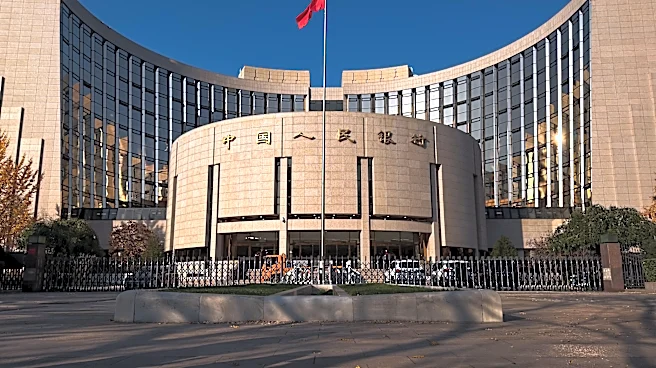
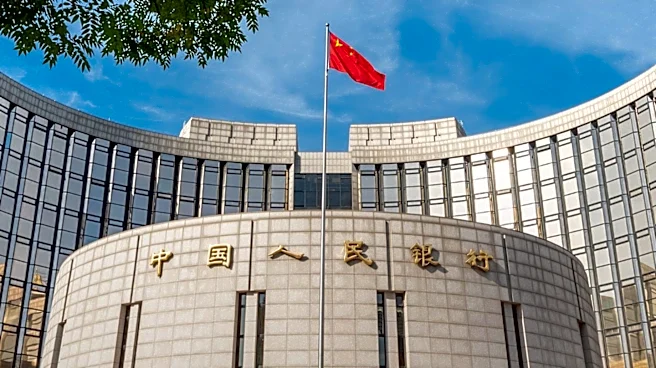
responsibility for banking supervision, taking over functions previously held by the China Banking and Insurance Regulatory Commission (CBIRC). Concurrently, the People's Bank of China (PBOC) and the State Administration of Foreign Exchange (SAFE) continue to administer foreign-exchange and cross-border payment controls. This division of responsibilities is crucial for foreign entities involved in construction and energy projects in China, particularly when dealing with performance bonds and bank guarantees. The enforcement process for these financial instruments involves navigating these regulatory bodies, especially when guarantee proceeds need to move across borders, requiring coordination with SAFE within the PBOC-supervised regime to prevent funds from being stranded.
Why It's Important?
This regulatory clarity is vital for international businesses and financial institutions operating in China, particularly those engaged in high-value projects that rely on performance bonds. Understanding which agency governs specific aspects of banking and foreign exchange is critical for effective risk management and dispute resolution. For U.S. companies, this means that enforcing a performance bond or navigating financial transactions in China requires precise adherence to the rules set by the NFRA for banking conduct and by the PBOC/SAFE for cross-border payments. Missteps in this complex regulatory environment can lead to significant financial losses or delays. The distinction between bonds issued by PRC banks versus foreign banks also has operational consequences, as PRC-issued bonds are directly subject to Chinese preservation orders and regulatory supervision, while foreign-issued bonds involve additional layers of cross-border enforcement considerations.
What's Next?
For beneficiaries seeking to enforce performance bonds in China, early engagement with the paying bank and, where relevant, the foreign-exchange administration (SAFE) is crucial to ensure smooth movement of guarantee proceeds out of China. Aligning enforcement strategies with the banking conduct standards set by the NFRA will also facilitate recovery. Companies will need to stay updated on any evolving interpretations or guidelines from these regulatory bodies. Furthermore, the interaction between PRC preservation orders and cross-border tools, such as letters of request and recognition of PRC judgments abroad, will continue to be a key area for legal and financial strategizing. The ongoing emphasis on strict documentary compliance for calling guarantees, coupled with the narrow fraud exception recognized by PRC courts, means that meticulous preparation and understanding of the regulatory framework will remain paramount.
Beyond the Headlines
The detailed regulatory framework surrounding performance bond enforcement reflects China's broader efforts to manage financial risks and maintain control over capital flows, especially in cross-border transactions. While providing clarity, this structure also underscores the complexities foreign entities face when operating within China's financial system. The emphasis on regulatory compliance and the potential for funds to be stranded highlight the importance of robust legal and financial advisory services for international businesses. This regulatory environment can also be seen as a mechanism to ensure financial stability and prevent illicit capital outflows, which has broader implications for China's economic sovereignty and its relationship with global financial markets. For U.S. businesses, this necessitates a comprehensive understanding of not just the legal aspects but also the geopolitical and economic context influencing China's financial regulations.