







What's Happening?
Research into 'Blue Zones'—regions with unusually high numbers of centenarians—reveals that longevity is not solely due to specific diets or individual interventions, but rather a combination of integrated lifestyle and sociocultural factors. These factors,
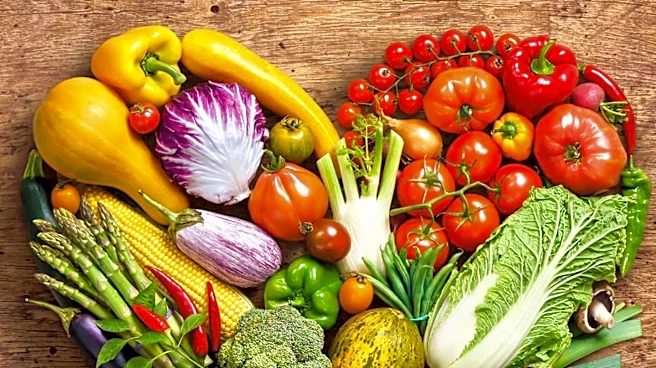
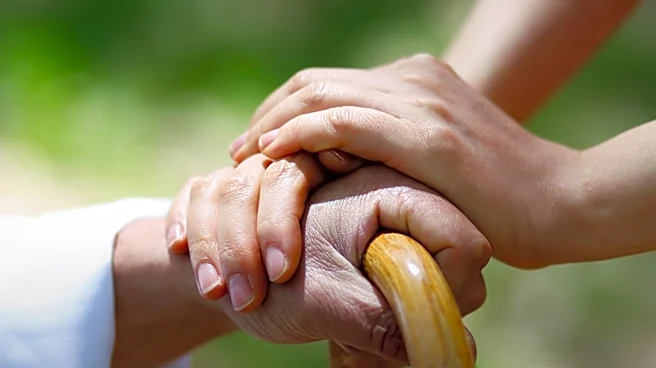
collectively termed the 'exposome,' include daily physical activity, strong community and family connections, a sense of purpose ('ikigai' or 'plan de vida'), regular contact with nature, and a relaxed pace of life. While diets in Blue Zones are plant-forward and rich in polyphenols, they vary significantly by region and often include foods like gluten, dairy, soy, corn, and rice, which are sometimes avoided in Western health trends. The key is that these foods are traditional, local, and consumed as part of a holistic lifestyle, rather than isolated 'longevity hacks.'
Why It's Important?
This research challenges the prevailing Western focus on individual, often intense, and sometimes contradictory longevity interventions. It suggests that a more integrated, culturally embedded approach to health, where beneficial behaviors are naturally part of daily life, is more effective and sustainable. For the U.S., where chronic diseases and mental health issues are prevalent, these findings could inspire a shift from a 'quick-fix' mentality to a more holistic understanding of well-being. It highlights the importance of community, purpose, and environmental connection, which are often overlooked in modern health discussions. This perspective could influence public health initiatives, urban planning, and even corporate wellness programs to foster environments that naturally support healthy aging.
What's Next?
The insights from Blue Zones could lead to a re-evaluation of dietary guidelines and lifestyle recommendations in the U.S., emphasizing whole, plant-rich foods and integrated daily movement over restrictive diets or isolated exercise routines. There may be a greater focus on fostering community bonds and a sense of purpose in aging populations. Urban planners might prioritize creating walkable communities with access to green spaces. Further research could explore how to adapt these Blue Zone principles to modern, Western contexts, focusing on 'micro-practices' that can be easily integrated into daily life. This could also spark innovation in food systems to provide more traditional, nutrient-dense options.
Beyond the Headlines
The Blue Zones research delves into the profound interplay between culture, environment, and biology in shaping human longevity. It suggests that the erosion of traditional lifestyles and community structures in modern societies may contribute to declining health and well-being. The concept of the 'exposome' broadens our understanding of health beyond genetics and individual choices, highlighting the cumulative impact of our daily surroundings. This could lead to a deeper societal conversation about the values we prioritize—individual achievement versus community well-being, technological convenience versus natural connection—and their long-term consequences for human health and happiness. It also underscores the importance of preserving cultural traditions that inherently promote healthy living.