







What's Happening?
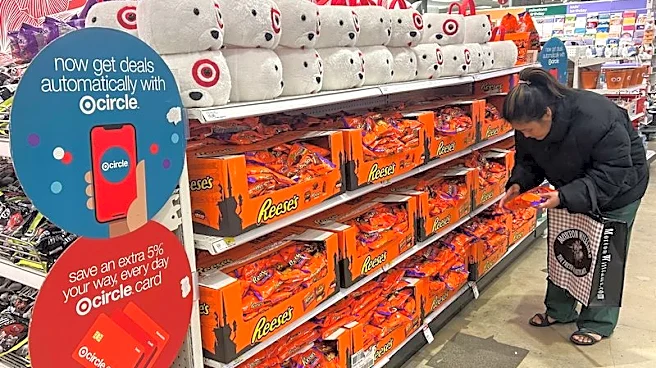
Halloween consumerism, particularly the demand for costumes, significantly contributes to fast fashion trends and environmental waste. The National Retail Federation estimates that consumer spending on Halloween is expected to reach $13.5 billion this
year, with many shoppers making last-minute purchases. Retailers like Spirit Halloween operate on a seasonal, high-volume model, offering disposable, trend-driven products made with cheap plastics and synthetic materials. This mirrors the fast-fashion industry, which is known for its unsustainable and environmentally costly practices. The combination of easily accessible, inexpensive costumes and the growing trend of wearing multiple costumes throughout the Halloween weekend exacerbates rampant consumerism, generating thousands of pounds of plastic waste annually.
Why It's Important?
This trend has significant implications for environmental sustainability in the U.S. The reliance on disposable costumes made from synthetic materials contributes to plastic pollution and landfill waste, as these items are often worn once and then discarded. For U.S. consumers, this highlights the environmental cost of convenience and trend-driven purchasing. For businesses, particularly those in the seasonal retail sector, it underscores the need to consider more sustainable production and sourcing practices. The current model creates a cycle of consumption and waste that is increasingly unsustainable, prompting calls for alternatives like thrifting, reusing existing clothing, and utilizing online resale platforms. Addressing this issue could lead to shifts in consumer behavior and encourage retailers to offer more eco-friendly options.
What's Next?
As awareness of fast fashion's environmental impact grows, there is a push for more sustainable approaches to holiday consumerism. Recommendations include utilizing existing clothing for costumes, shopping at thrift stores like Goodwill or Plato's Closet, or exploring reusable art stores. Online thrifting platforms such as Vinted or Depop are also emerging as sustainable alternatives, allowing shoppers to find curated, second-hand clothing. These platforms not only offer a more environmentally friendly option but also provide opportunities for individuals to resell items they no longer wear, extending the life cycle of garments. The emphasis is on creative reuse and conscious consumption to reduce the environmental footprint of seasonal events like Halloween.
Beyond the Headlines
The issue of Halloween costumes reflects a broader cultural challenge of balancing consumer desires with environmental responsibility. The 'culture of needing a new outfit for every night of the week' during Halloween highlights how societal pressures and convenience often override sustainable choices. This extends beyond costumes to other aspects of the holiday, such as plastic packaging and decorations. The deeper implication is the need for a fundamental shift in consumer mindset, moving away from disposability towards valuing longevity, creativity, and resourcefulness. Encouraging practices like DIY costumes, thrifting, and reselling not only reduces waste but also fosters individuality and unique expression, challenging the uniformity often associated with mass-produced fast fashion. This cultural shift could have lasting impacts on how consumers approach purchasing decisions for other holidays and everyday items.