

What's Happening?
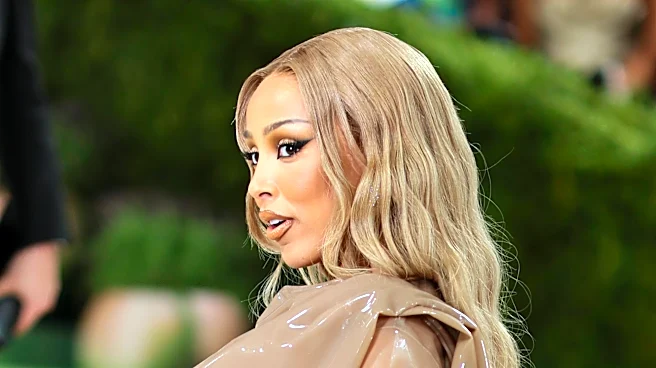
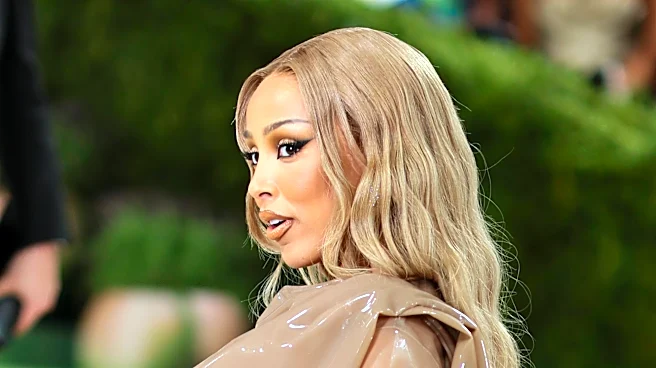
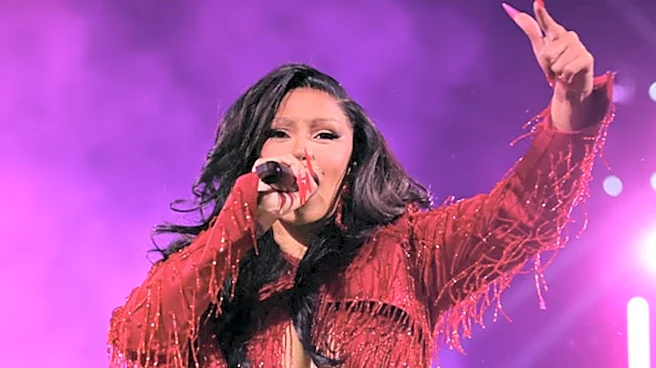
Doja Cat, a prominent artist and self-proclaimed avid gamer, publicly voiced her disappointment after learning her music was not included in the highly anticipated Grand Theft Auto 6 (GTA 6) soundtrack. The artist took to social media, specifically tweeting
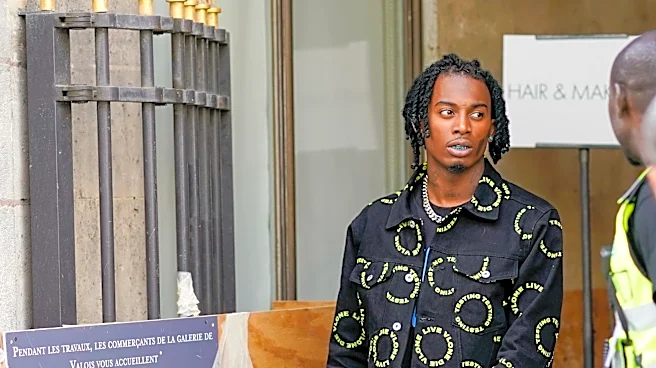
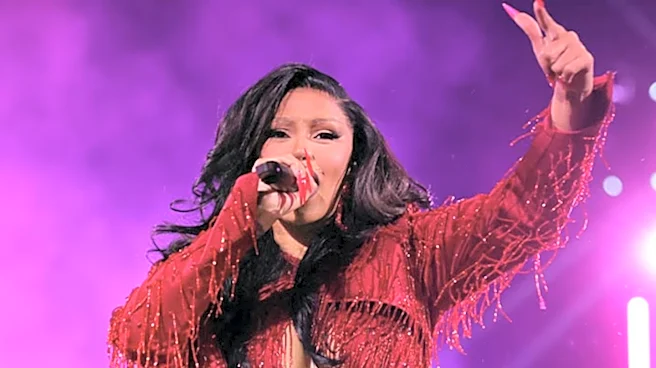
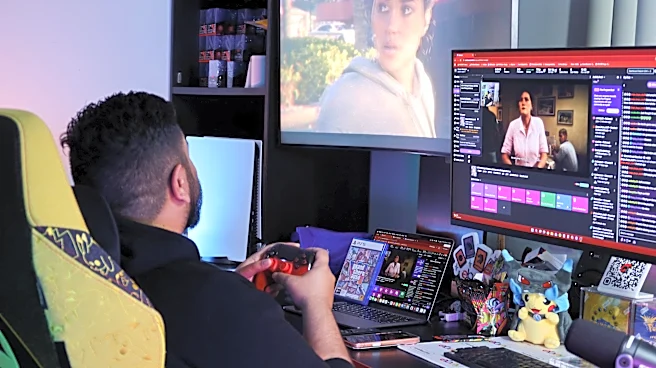
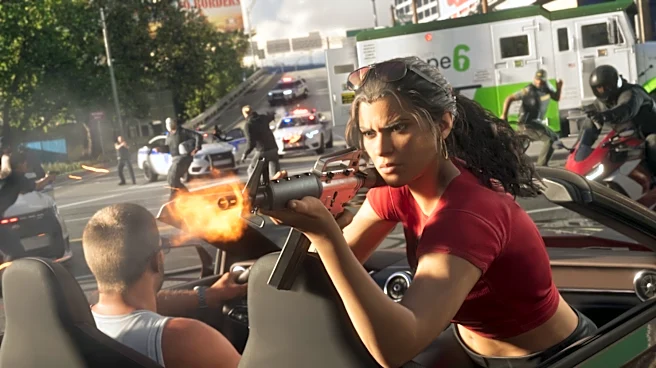
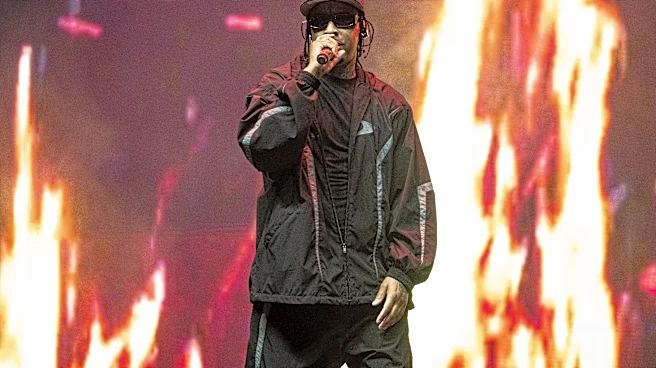
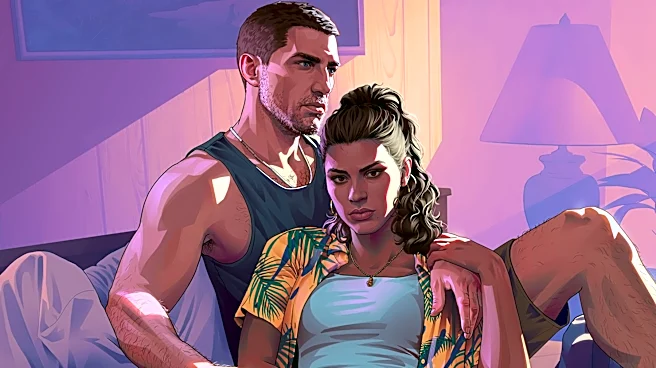
at Rockstar Games, to express her feelings of being 'bitter' and heartbroken over the snub. She highlighted her long-standing engagement with the Grand Theft Auto series, noting that she has been a fan since her teenage years and even has a skin in the game Fortnite. The GTA 6 soundtrack features 34 tracks from various artists, including Travis Scott, Future, Metro Boomin, Gunna, Playboi Carti, Don Toliver, SZA, JT, Burna Boy, and Cardi B. The game, which has been 13 years in the making, also includes in-game audio components like a podcast hosted by Janelle James.
Why It's Important?
Doja Cat's public reaction underscores the significant cultural and commercial impact of video game soundtracks, particularly for a franchise as massive as Grand Theft Auto. For artists, inclusion in such a soundtrack can provide immense exposure to a global audience, potentially boosting streaming numbers, album sales, and overall brand visibility. The game's long development cycle and its status as a cultural phenomenon mean that its soundtrack is highly curated and influential. Doja Cat's disappointment highlights the competitive nature of securing placements in high-profile media, and her direct appeal to Rockstar Games reflects the perceived value of such opportunities. Her fans' subsequent outcry further demonstrates the power of artist-fan communities in advocating for their preferred creators within popular culture.
What's Next?
While Doja Cat has expressed her disappointment, it remains unclear if Rockstar Games will respond to her public comments or if there's any possibility of her music being added to the GTA 6 soundtrack in future updates or expansions. The game's audio components are likely finalized for its initial release, making immediate changes improbable. However, the public outcry from Doja Cat and her fanbase could influence future collaborations between artists and game developers. This situation might also prompt discussions within the music and gaming industries about the selection processes for such high-profile soundtracks and the potential for fan engagement to shape these decisions.
Beyond the Headlines
This incident touches upon the evolving relationship between music, gaming, and celebrity culture. As video games become increasingly central to entertainment, their soundtracks are no longer just background music but integral parts of the player experience and significant platforms for musical artists. The emotional investment of artists like Doja Cat in game culture, as evidenced by her gaming history and in-game presence in other titles, blurs the lines between different forms of entertainment. This event also highlights the growing trend of artists directly engaging with their audience and with major corporations through social media, leveraging their platforms to express opinions and influence public discourse around their careers and creative aspirations.