






What's Happening?
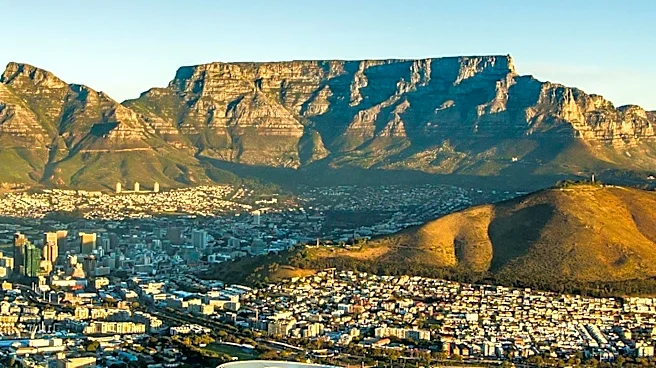
Cape Town, South Africa, is highlighted as a highly diverse travel destination, offering a blend of natural landscapes, historical sites, wildlife, culinary experiences, and coastal scenery. The city, situated beneath Table Mountain and alongside the
Atlantic Ocean, caters to various traveler interests, including outdoor adventures, historical exploration, beach activities, and food-focused trips. Key attractions include the iconic Table Mountain, the historically significant Robben Island, the vibrant V&A Waterfront, and the African penguin colony at Boulders Beach. The region also boasts the Cape Winelands, offering vineyard tours and scenic beauty. Cape Town experiences a Mediterranean-style climate with warm, dry summers from December to February and cooler, wetter winters from June to August. The city's microclimates mean conditions can vary across the peninsula. Travelers are advised to allocate sufficient time, typically 4-7 days, to fully experience the city and its surrounding attractions, such as Cape Point, the Cape of Good Hope, and Kirstenbosch National Botanical Garden.
Why It's Important?
The comprehensive appeal of Cape Town as a travel destination underscores its significant role in the global tourism industry, particularly for those seeking diverse experiences. Its combination of natural beauty, such as Table Mountain and the Cape Peninsula, with rich historical narratives like Robben Island, offers a unique educational and recreational value. This diversity attracts a broad spectrum of international tourists, contributing to the local economy through hospitality, transportation, and various tour operators. The emphasis on planning and allowing ample time for visits suggests a growing trend in experiential travel, where visitors seek deeper engagement with a destination's culture and environment rather than superficial stops. For U.S. travelers, Cape Town presents an accessible yet exotic long-haul destination, potentially boosting transatlantic travel and cultural exchange. The detailed advice on climate and activity planning also highlights the increasing demand for tailored travel information to maximize visitor satisfaction and safety.
What's Next?
Travelers planning a trip to Cape Town are encouraged to consider the seasonal variations and allocate 4-7 days to fully explore the city and its environs. Future visitors should prioritize booking popular attractions like Robben Island tours in advance, especially during peak travel periods such as January. Flexibility in scheduling activities like Table Mountain visits is recommended due to potential weather impacts. Day trips to the Cape Winelands, including Stellenbosch and Franschhoek, are suggested, with advice to arrange organized tours or transportation if wine tasting is a primary activity. Practical tips include packing layers for varying conditions, using sun protection, and checking official information for hiking routes, conservation fees, and operating hours for attractions within Table Mountain National Park. Continued emphasis will likely be placed on sustainable tourism practices, particularly at wildlife sites like Boulders Beach, to ensure minimal disturbance to the African penguin colony.
Beyond the Headlines
The multifaceted appeal of Cape Town extends beyond typical tourist attractions, offering deeper insights into South Africa's complex history and vibrant cultural tapestry. Robben Island, for instance, serves not just as a historical site but as a powerful symbol of resilience and the struggle against apartheid, providing a profound educational experience for visitors. The city's diverse neighborhoods, such as Bo-Kaap with its brightly painted houses and strong Cape Muslim heritage, offer a glimpse into the cultural mosaic that defines modern South Africa. This blend of natural wonders, historical significance, and cultural richness positions Cape Town as a destination that fosters global understanding and appreciation for diverse societies. The emphasis on respectful engagement with local communities and wildlife, as seen at Boulders Beach, also highlights a growing consciousness in responsible tourism, encouraging visitors to be mindful of their impact on both the environment and local populations.