





What's Happening?
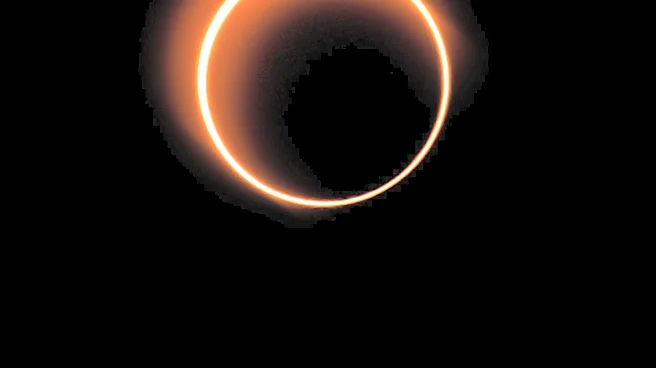
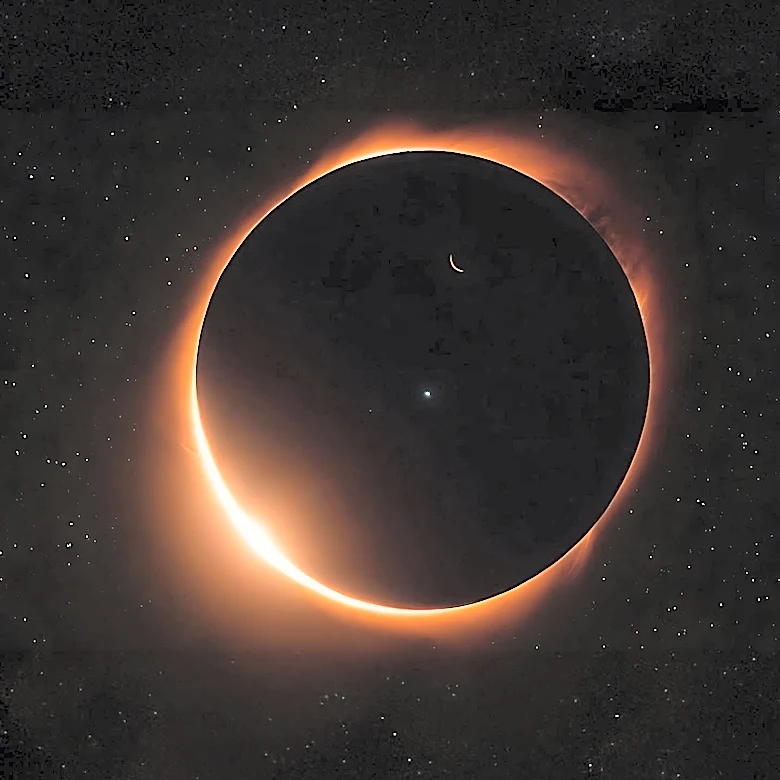
A solar eclipse is set to occur on August 12, with a total eclipse visible along a narrow path from Greenland to northeastern Spain. Much of Europe will experience a deep partial eclipse, while parts of North America will see a smaller partial eclipse.
The event will vary in visibility depending on location, with totality offering a rare opportunity to witness the sun's corona. Observers are advised to use certified eclipse glasses during the partial phases for safe viewing.
Why It's Important?
Solar eclipses are significant astronomical events that draw attention from scientists and the public alike. They provide unique opportunities for scientific study, particularly of the sun's corona, and inspire widespread interest in astronomy. The August 12 eclipse will be a major event for skywatchers, with live streams and coverage planned to reach a global audience.
What's Next?
As the eclipse approaches, preparations are underway for live broadcasts and scientific observations. The event will be closely monitored by space agencies and amateur astronomers, contributing to our understanding of solar phenomena. Public engagement through educational resources and viewing events will further enhance the experience for those unable to witness the eclipse in person.