






What's Happening?
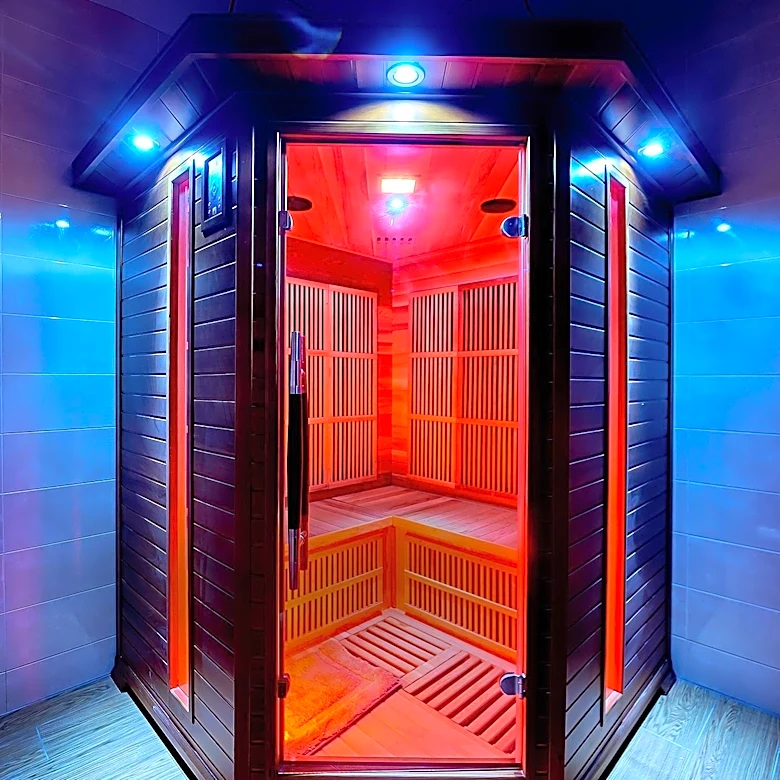
The Plunge Infrared Sauna, specifically its 3-Person Pro model, has advertised a maximum temperature of 175°F, a claim that is now being scrutinized for its measurement context. According to Brendan Humphrey, identified as the lead engineer on the Plunge infrared
sauna project, this temperature reading is obtained from a probe mounted near the front-left corner of the roof. While Plunge states it collected extensive thermal data, including bench and backrest temperatures, these specific values have not been publicly disclosed. This raises questions about whether the advertised 175°F accurately reflects the temperature experienced by a seated user. The Sun Home Eclipse, a competing product, publishes a maximum temperature of 165°F and provides more detailed third-party documentation regarding its specifications, including red light irradiance and EMF levels. The Plunge Standard model, rated at 160°F, also uses the headline 'the market's hottest infrared sauna,' which is inconsistent with its own Pro model's higher rating and other competitors.
Why It's Important?
The debate over the Plunge Infrared Sauna's temperature claims highlights a critical issue in consumer product transparency, particularly in the rapidly growing wellness technology market. For consumers investing in high-value items like infrared saunas, accurate and contextualized information about performance is paramount. Misleading temperature claims, even if technically accurate for a specific sensor location, can create false expectations about the product's efficacy and user experience. This situation could lead to a lack of trust in manufacturer specifications across the industry. Furthermore, the comparison with the Sun Home Eclipse underscores the importance of comprehensive third-party testing and public disclosure of data, which can empower consumers to make informed decisions. The lack of publicly available seated-area temperature data for the Plunge sauna means that buyers cannot fully assess the therapeutic benefits they might receive, potentially impacting their recovery and wellness goals. This scrutiny could prompt industry-wide changes in how product specifications are presented and verified.
What's Next?
The ongoing discussion regarding the Plunge Infrared Sauna's temperature claims may prompt the company to release more detailed and contextualized thermal data, particularly the temperatures at user-occupied heights. This transparency would help clarify the actual user experience and address consumer concerns. Competitors, like Sun Home Saunas, may continue to emphasize their detailed third-party documentation and integrated features, such as dedicated red light therapy, to differentiate their products. This situation could also lead to a call for standardized testing protocols within the infrared sauna industry, ensuring that temperature and other performance metrics are measured and reported consistently across all brands. Such standardization would benefit consumers by providing clearer comparisons and fostering greater confidence in product claims. Additionally, consumer advocacy groups might become more involved in scrutinizing wellness product claims, pushing for greater accountability from manufacturers.
Beyond the Headlines
This controversy extends beyond mere product specifications, touching upon the broader ethical considerations of marketing in the wellness industry. The use of headline-grabbing figures without sufficient context can exploit consumer desires for optimal health and recovery. It raises questions about the responsibility of manufacturers to not only provide accurate data but also to ensure that the presentation of that data is not misleading. The incident also highlights the challenges consumers face in evaluating complex technical products, especially when scientific claims are involved. It underscores the need for critical thinking and independent verification in an age where marketing often outpaces scientific rigor. Ultimately, this situation could contribute to a more mature and transparent wellness market, where companies are held to higher standards of disclosure and consumers are better equipped to discern genuine product benefits from marketing hype.