







What's Happening?
The skincare market is experiencing a 'golden age' with significant research into effective active ingredients, particularly retinoids. While prescription-strength tretinoin is highly effective for anti-aging and skin improvement, it may be too strong
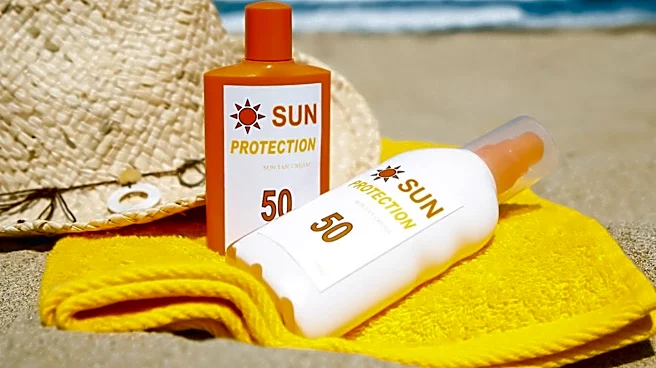
for sensitive skin types or cost-prohibitive for some. As a result, a variety of potent over-the-counter (OTC) retinoids, including retinol, retinal, retinaldehyde, and adapalene, are gaining prominence. These OTC options offer similar benefits to prescription versions, such as increasing epidermal thickening, promoting collagen production, and improving skin texture and complexion, but with varying strengths and formulations designed to minimize irritation. Products like Differin, which contains adapalene, were previously prescription-only but are now available OTC, making powerful retinoid treatments more accessible. Consumers are advised to gradually introduce these products into their routines and consistently use moisturizer and sunscreen to mitigate potential irritation.
Why It's Important?
The increased availability and potency of over-the-counter retinoids signify a significant shift in the U.S. skincare industry, democratizing access to advanced anti-aging and skin treatment solutions. This trend benefits consumers by providing more affordable and accessible alternatives to prescription products, potentially reducing healthcare costs associated with dermatological visits for less severe skin concerns. For businesses, it opens up a lucrative market for developing and marketing high-strength OTC retinoid formulations, fostering innovation and competition among beauty brands. However, it also places a greater responsibility on consumers to understand product strengths and proper usage to avoid skin irritation. The shift also highlights a growing consumer demand for effective, science-backed skincare ingredients, pushing the industry to deliver professional-grade results outside of clinical settings. This could lead to a broader public understanding of active ingredients and their benefits, empowering individuals to make more informed skincare choices.
What's Next?
The trend of increasingly potent over-the-counter retinoids is likely to continue, with manufacturers investing further in research and development to create new formulations that balance efficacy with gentleness. Consumers can expect to see more advanced delivery systems, such as encapsulated retinols, designed to reduce irritation and improve stability. There may also be a greater emphasis on combination products that pair retinoids with soothing or hydrating ingredients to enhance user experience. Regulatory bodies might also increase scrutiny on the claims and safety of these high-strength OTC products as their popularity grows. Dermatologists and skincare professionals will likely continue to play a crucial role in educating the public on appropriate product selection and usage, especially for individuals with sensitive skin or specific skin conditions. The market will likely see a continued expansion of brands offering various retinoid types and strengths, catering to a wider range of skin concerns and sensitivities.
Beyond the Headlines
The rise of potent over-the-counter retinoids reflects a broader cultural shift towards self-care and accessible wellness, where consumers are increasingly seeking professional-grade results without the need for clinical intervention. This trend blurs the lines between cosmetic and pharmaceutical products, raising questions about consumer education and the potential for misuse of powerful ingredients. Ethically, brands face the challenge of marketing these products responsibly, ensuring consumers understand the importance of patch testing, gradual introduction, and consistent sun protection. Legally, there could be increased pressure for clearer labeling and more stringent regulations regarding the concentration and claims of active ingredients in OTC skincare. Culturally, the emphasis on 'anti-aging' and 'perfect skin' continues to drive innovation in this sector, but also highlights societal pressures regarding appearance. The long-term impact could include a more informed consumer base, but also a greater need for clear, unbiased information to navigate the complex landscape of advanced skincare ingredients.