






What's Happening?
Prenatal workouts should prioritize low-impact activities that accommodate the physiological changes of pregnancy. The Juno Prenatal Workout is suggested as a suitable starting point. Activities to be avoided include contact sports, high fall-risk activities such
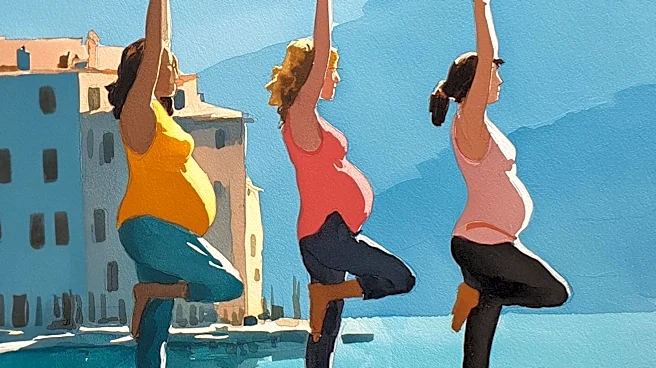
as horseback riding or gymnastics, scuba diving due to pressure changes, and hot yoga or hot Pilates because of the risk of overheating. For the third trimester, recommended exercises include walking, water exercise, pelvic floor work, and gentle strength training. Prenatal yoga and breathing exercises are beneficial, but pregnant individuals should avoid lying flat on their back or any yoga poses that put pressure on the belly. It is crucial to consult a healthcare provider before initiating any new exercise regimen, particularly in the ninth month of pregnancy.
Why It's Important?
Adhering to appropriate prenatal workout guidelines is vital for the health and safety of both the pregnant individual and the developing fetus. Engaging in safe, low-impact exercises can offer numerous benefits, including improved mood, reduced risk of gestational diabetes, and lower incidence of high blood pressure during pregnancy. Conversely, participating in high-risk activities can lead to injuries, overheating, or other complications that could negatively impact the pregnancy. The emphasis on consulting healthcare providers ensures that exercise plans are tailored to individual health conditions and pregnancy stages, minimizing potential risks. This guidance helps pregnant individuals maintain physical well-being while avoiding activities that could compromise their health or the baby's development.
What's Next?
Pregnant individuals are encouraged to discuss their exercise plans with their healthcare providers to ensure safety and appropriateness. Fitness professionals specializing in prenatal exercise will likely continue to develop and promote programs that align with these recommendations, focusing on low-impact, safe, and beneficial activities. The availability of resources like the Juno Prenatal Workout and guidance on trimester-specific exercises will help pregnant individuals make informed choices about their physical activity. Ongoing research may further refine these guidelines, potentially leading to more personalized exercise recommendations based on individual health profiles and pregnancy progression.
Beyond the Headlines
The detailed recommendations for prenatal workouts highlight a growing awareness of the specific physiological needs of pregnant individuals. This shift towards tailored exercise advice reflects a broader trend in healthcare to personalize wellness strategies. The caution against activities like hot yoga and scuba diving underscores the importance of understanding environmental and physiological stressors during pregnancy. Furthermore, the emphasis on pelvic floor work points to a holistic approach to maternal health, recognizing the long-term benefits of strengthening these muscles. This comprehensive guidance not only promotes physical health during pregnancy but also contributes to a more informed and empowered approach to maternal well-being.