




What's Happening?
The fashion industry's increasing reliance on Artificial Intelligence (AI) is encountering public resistance and political challenges in the U.S. Despite AI becoming deeply embedded in fashion business models, from supply chain orchestration to product
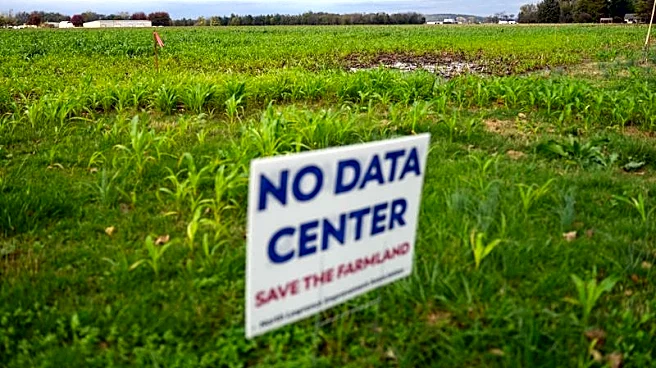
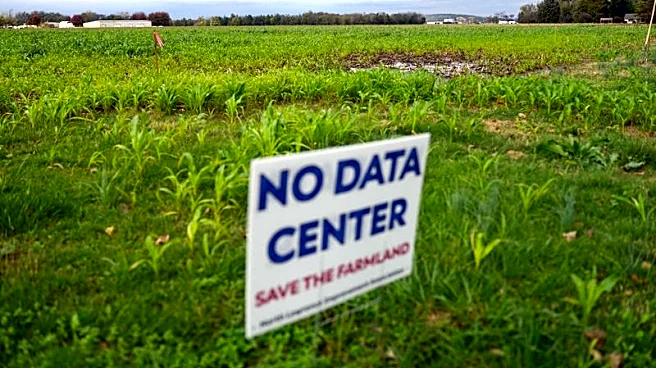
creation, there's a growing sentiment of public skepticism. Recent U.S. midterms saw some local ballots include strong arguments against AI infrastructure, particularly concerning data center construction. This political swing, coupled with a technology-market sell-off, has exposed a gap between the AI industry's ambitions and the public support needed for its realization. Luxury brands, in response, have launched campaigns emphasizing human craft, seemingly as a counter-narrative to AI-generated content. While consumers show a willingness to use AI for search and shopping research, trust in AI agents for making purchases remains lower, indicating a complex and sometimes contradictory relationship with the technology.
Why It's Important?
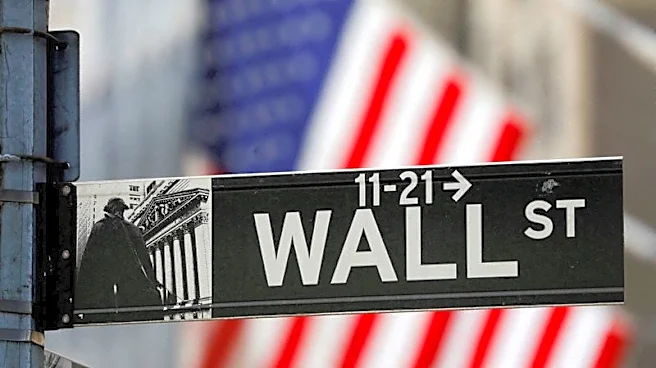
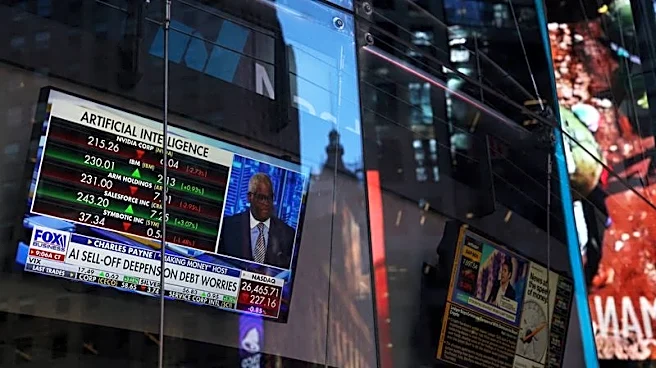
This development is critical for U.S. businesses heavily invested in AI, particularly within the fashion sector. The political and public pushback could lead to legislative mandates that impose restrictions on the AI industry, impacting companies reliant on American-made and hosted AI models. The reported $2.5 trillion loss in Nasdaq market value in a single day, as investors reacted to the political climate, signals a potential slowdown in the technology market, which has become synonymous with AI. For fashion companies like Stitch Fix, which leverage proprietary customer data and AI for product creation and assortment decisions, a shift in public and political sentiment could necessitate a re-evaluation of their AI strategies. The challenge lies in navigating this evolving landscape where consumer behavior (using AI for research) contrasts with perceived values (distrusting AI for purchases), potentially affecting investment, innovation, and the operational freedom of AI-driven fashion enterprises.
What's Next?
The immediate future will likely see increased scrutiny and potential legislative action regarding AI development and deployment in the U.S. The fact that moratoriums on data center construction gained public backing in several states suggests a growing demand for regulation. Fashion companies will need to develop a keener awareness of public sentiment and potential regulatory changes, especially if their AI initiatives are heavily reliant on U.S.-based infrastructure and models. This could lead to a greater emphasis on transparency in AI use, particularly in marketing and content creation, to avoid consumer backlash. Furthermore, the industry might explore open-weights AI alternatives or diversify its AI infrastructure to mitigate risks associated with potential U.S. legislative mandates. The ongoing tension between AI's economic benefits and public concerns about its societal impact will continue to shape its trajectory in the fashion sector.
Beyond the Headlines
The current climate surrounding AI in the U.S. fashion industry reflects a broader societal debate about the role of technology, automation, and human creativity. The emphasis by luxury brands on 'human craft' in their campaigns, even if subtly anti-AI, points to a cultural pendulum swing that values authenticity and traditional artistry. This could lead to a re-evaluation of what constitutes 'value' in fashion, potentially shifting focus from purely efficiency-driven, AI-optimized production to products that highlight human skill and ethical considerations. Legally, the push for legislative mandates could set precedents for how AI is regulated across various industries, impacting data privacy, algorithmic bias, and the ethical use of AI. Culturally, the public's 'quixotic relationship' with AI—embracing it for convenience while distrusting its broader implications—suggests a complex future where technology adoption will increasingly require careful consideration of its social and ethical dimensions.