





What's Happening?
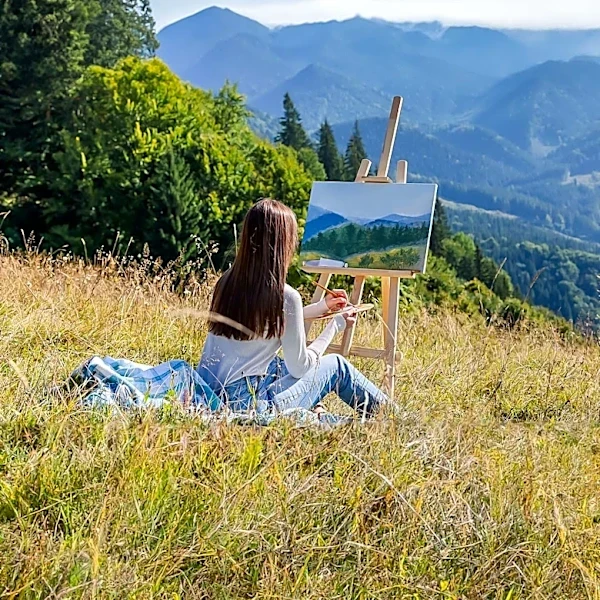
Staycations, defined as vacation time spent at home or close to one's residence, are gaining popularity as a flexible and accessible alternative to traditional travel. These local getaways can range from relaxing at home to exploring nearby attractions,
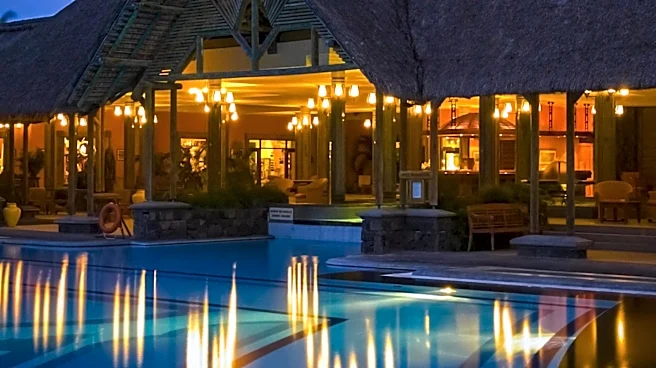
enjoying special meals, or booking local experiences. The core idea is to provide a sense of time away without the complexities and costs associated with long-distance travel. Budget-friendly options include picnics, movie nights, visits to local parks, free museums, neighborhood walks, home spa days, themed meals, backyard camping, and attending free community events. For those seeking more luxurious experiences, options like a romantic weekend in Sebring, Florida, offering a spacious apartment with an outdoor pool and free WiFi, or a romantic getaway to Jekyll Island, Georgia, known for its historic architecture and serene beaches, are available. Additionally, urban escapes in Downtown Los Angeles provide cultural attractions, historic theaters, acclaimed restaurants, and vibrant nightlife, catering to couples looking for immersive cultural experiences.
Why It's Important?
The rise of staycations reflects a broader shift in consumer preferences, emphasizing local exploration and cost-effective leisure. This trend impacts the U.S. tourism and hospitality industries by redirecting spending towards local businesses, attractions, and accommodations. For individuals, staycations offer a practical solution for relaxation and rejuvenation without the financial burden and logistical challenges of distant travel, making vacations more accessible to a wider demographic. The emphasis on exploring local areas can also foster a greater appreciation for community resources, supporting local economies and cultural institutions. Businesses, from restaurants and museums to local hotels and entertainment venues, stand to gain from increased local patronage. This trend also highlights a growing desire for meaningful cultural experiences and unique local adventures, influencing how destinations market themselves and develop their offerings to cater to this evolving demand.
What's Next?
As the staycation trend continues, local tourism boards and businesses are likely to further develop and promote tailored experiences to attract residents. This could include curated local itineraries, special packages for nearby hotels, and increased marketing of free or low-cost community events and attractions. We may see a continued focus on unique, immersive cultural experiences in urban centers, as well as nature-based activities in local parks and natural reserves. The hospitality sector might adapt by offering more flexible booking options and amenities that cater to shorter, local stays. Consumers can expect a wider array of staycation ideas, from themed home experiences to guided local tours, making it easier to find an option that fits their budget, interests, and available time. The emphasis will remain on creating a distinct break from routine, even without traveling far.
Beyond the Headlines
The growing popularity of staycations points to a deeper cultural shift towards valuing local experiences and sustainable travel practices. It encourages individuals to view their immediate surroundings with a tourist's eye, uncovering hidden gems and fostering a stronger connection to their communities. This trend also has environmental implications, as reduced long-distance travel contributes to a smaller carbon footprint. Ethically, it promotes a more inclusive approach to leisure, making 'vacation' experiences attainable for those with limited budgets or time. The focus on local exploration can also lead to a rediscovery of regional history, art, and cuisine, enriching cultural understanding within communities. This shift challenges the traditional notion of a 'vacation' as something that requires significant distance and expense, redefining it as a state of mind and an opportunity for intentional relaxation and discovery, regardless of location.