






What's Happening?
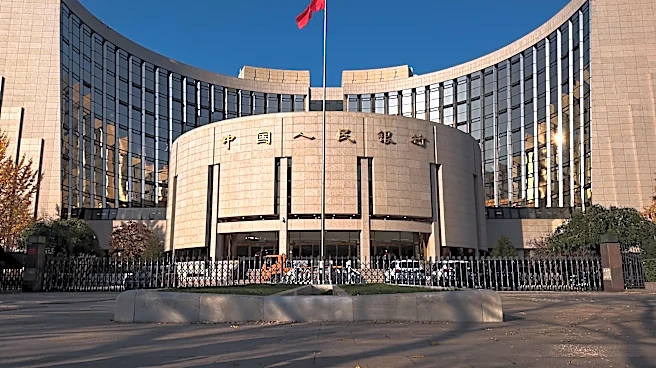
The People's Bank of China (PBOC) has reiterated and reinforced its ban on the unauthorized issuance of yuan-pegged stablecoins. This directive was part of a broader set of restrictions on crypto-related activities, initially outlined in a February notice.
The PBOC, in conjunction with other Chinese agencies, has actively taken measures against promotional activities deemed unauthorized. A recent example of this enforcement was the halting of a Solana event in Shanghai. According to Financial News, a state-backed publication, the event was stopped due to alleged unauthorized promotions by domestic entities. An unnamed official linked to the PBOC stated that Solana's support for crypto issuance and trading violates Chinese regulations. This incident marks the second reported disruption of a Solana event in mainland China within approximately two years, indicating a consistent regulatory stance. Solana Foundation president Lily Liu attributed the postponement to an unexpected quadrupling of registrations, exceeding the event's pre-registered capacity with local authorities, though Chinese authorities cited regulatory violations.
Why It's Important?
This move by the PBOC underscores China's firm and expanding regulatory control over the cryptocurrency market, particularly concerning stablecoins pegged to its national currency. The ban on unauthorized yuan-pepegged stablecoins aims to maintain monetary sovereignty and control capital flows, preventing potential circumvention of existing financial regulations. For the global cryptocurrency market, China's stance signals a significant barrier to entry and operation for blockchain projects within its borders, especially those involving token issuance or trading support. The halting of the Solana event highlights that regulatory scrutiny extends beyond just trading to include marketing, fundraising, and any services that could facilitate digital asset issuance or exchange. This creates a challenging environment for international crypto entities seeking to engage with the Chinese market, forcing them to navigate a complex and restrictive regulatory landscape. The actions also reflect China's broader strategy to limit speculative financial activities and maintain stability within its financial system.
What's Next?
The immediate consequence for blockchain projects and cryptocurrency firms operating or planning to operate in China is increased scrutiny and potential enforcement actions. Companies will likely need to re-evaluate their strategies for engaging with the Chinese market, focusing on strict compliance with local regulations, which appear to be tightening. Future crypto-related events and promotional activities in mainland China will face significant hurdles, with organizers needing to meticulously adhere to local rules regarding capacity, promotion, and the nature of services offered. Chinese authorities are expected to continue their enforcement efforts, targeting both domestic entities involved in unauthorized promotions and overseas platforms providing crypto-related services to mainland customers. This could lead to further investigations into companies and individuals connected to such activities. The regulatory environment suggests that any form of crypto issuance, trading, or even technical support for these activities will remain under strict prohibition, pushing the crypto industry to adapt to a highly controlled ecosystem in China.
Beyond the Headlines
The PBOC's actions reflect a deeper strategic objective to control the digital financial landscape within China, potentially paving the way for its own central bank digital currency (CBDC), the digital yuan. By restricting private stablecoins, especially those pegged to the yuan, China can eliminate potential competitors to its CBDC and maintain full control over its monetary policy and financial data. This approach also highlights a broader global trend where national governments are asserting greater control over digital assets, driven by concerns over financial stability, anti-money laundering (AML), and counter-terrorism financing (CTF). The divergence between China's restrictive approach and more accommodating regulatory frameworks in other regions, such as the EU's MiCA, could lead to a fragmented global crypto market. This fragmentation might compel crypto innovators to choose jurisdictions based on regulatory clarity and openness, potentially shifting the global centers of crypto innovation away from highly restrictive environments.