





What's Happening?
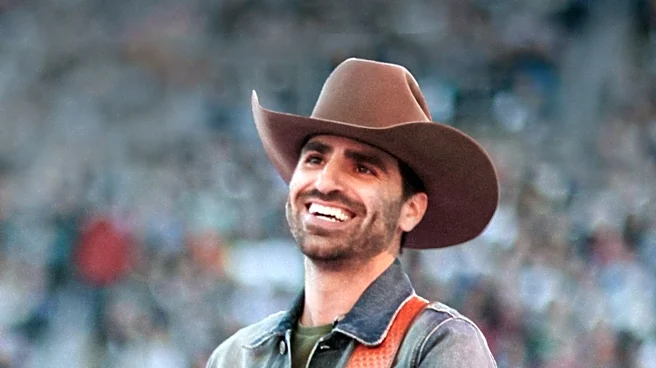
Arch Aplin III, founder of Buc-ee's, stated that his company will prioritize expansion into "conservative, business-friendly" states, expressing that "life's too short to build where people don't appreciate what you're bringing." This statement was made
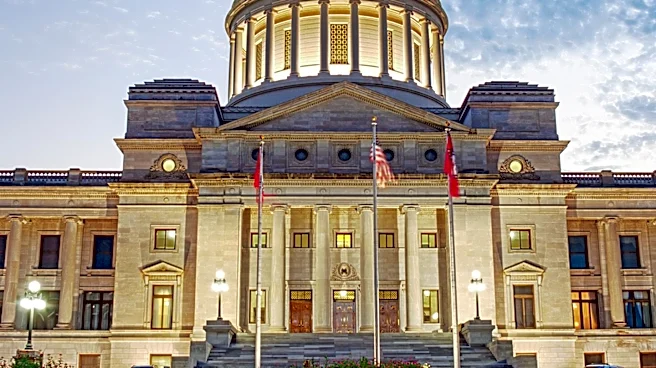
while standing alongside Arkansas Governor Sarah Huckabee Sanders. This declaration follows a period where Buc-ee's faced criticism for a lawsuit against Beaver's Mini Mart, a small corner store, and Mickey Mart, a regional Ohio gas chain, over trademark infringement. Ohio Governor Mike DeWine publicly rebuked Buc-ee's for the lawsuit, calling it "ridiculous," and the incident garnered national attention. Despite the controversy, Buc-ee's has continued its expansion, with a location in Huber Heights, Ohio, generating over $1 million on its opening day, and another approved for Mansfield, Ohio, targeting 2028. The company's stance has been interpreted by some as doubling down on a controversial position, potentially affecting its corporate reputation.
Why It's Important?
This development highlights a growing trend of businesses publicly aligning themselves with specific political ideologies, potentially influencing site selection and corporate strategy. Buc-ee's decision to explicitly favor "conservative, business-friendly" states could impact economic development in various regions, potentially attracting investment to states that align with this philosophy while deterring it from others. This approach also raises questions about corporate social responsibility and the potential for alienating customers or local governments in areas that do not fit this description. The public criticism from Ohio's Republican Governor Mike DeWine, despite Ohio being a Republican-led state, indicates that even within politically aligned regions, specific business practices can draw significant backlash. This situation underscores the increasing scrutiny businesses face regarding their values and actions, and how these can affect their brand image and relationships with communities, regardless of political leanings.
What's Next?
Buc-ee's will likely continue its expansion strategy, focusing on states that align with its stated preference for "conservative, business-friendly" environments. This could lead to increased competition among states to attract such businesses by emphasizing their business-friendly policies and conservative values. However, the company may also face continued scrutiny and potential backlash from consumers and local governments in areas that perceive its approach as exclusionary or politically charged. The ongoing development of its Ohio locations, despite the controversy, will be a test case for how such public statements impact long-term business success and community relations. Other businesses might observe Buc-ee's experience to gauge the benefits and risks of publicly adopting similar politically aligned expansion strategies, potentially influencing broader corporate site selection trends.
Beyond the Headlines
The incident with Buc-ee's and its founder's statements delve into the deeper implications of corporate identity and political alignment in a polarized society. By explicitly linking its expansion strategy to political ideology, Buc-ee's is not just making a business decision but also a cultural statement. This can lead to a more fragmented consumer landscape where purchasing decisions are increasingly influenced by a company's perceived political stance. It also raises questions about the role of corporate leaders in public discourse and the impact of their personal beliefs on business operations and brand perception. The controversy highlights the delicate balance companies must strike between expressing their values and maintaining broad appeal, especially in a diverse national market. This trend could contribute to a further politicization of consumer choices and business practices across various industries.