





What's Happening?
The U.S. manufacturing industry is confronting a significant workforce shortage, with projections indicating a need for up to 3.8 million new workers by 2033, nearly half of which could remain unfilled. This deficit poses a substantial threat to supply
chains, productivity, and economic growth. The challenge is compounded by an aging workforce, talent mismatches, and a persistent negative perception of manufacturing careers as physically demanding, low-paying, and inflexible. In response, there is a growing recognition that America's veterans, transitioning from active duty to civilian life at a rate of approximately 200,000 annually, possess the ideal skills and attributes to fill these critical roles. Veterans bring technical expertise, adaptability, leadership, and a mission-oriented mindset, making them well-suited for modern manufacturing environments that increasingly rely on automation, robotics, and AI.
Why It's Important?
Addressing the manufacturing workforce crisis is crucial for the U.S. economy and national security, particularly given the political emphasis on bringing manufacturing back to America. A robust manufacturing sector is vital for innovation, competitiveness, and reducing reliance on foreign supply chains. The underutilization of veterans in this sector represents a missed opportunity to leverage a highly skilled and dedicated talent pool. Successfully integrating veterans into manufacturing can not only alleviate labor shortages but also foster long-term workforce stability and enhance operational excellence. Initiatives like Walmart's Veteran Workforce Initiative demonstrate a proven model for translating military experience into civilian credentials, which can be replicated across the industry to build a resilient and skilled manufacturing workforce.
What's Next?
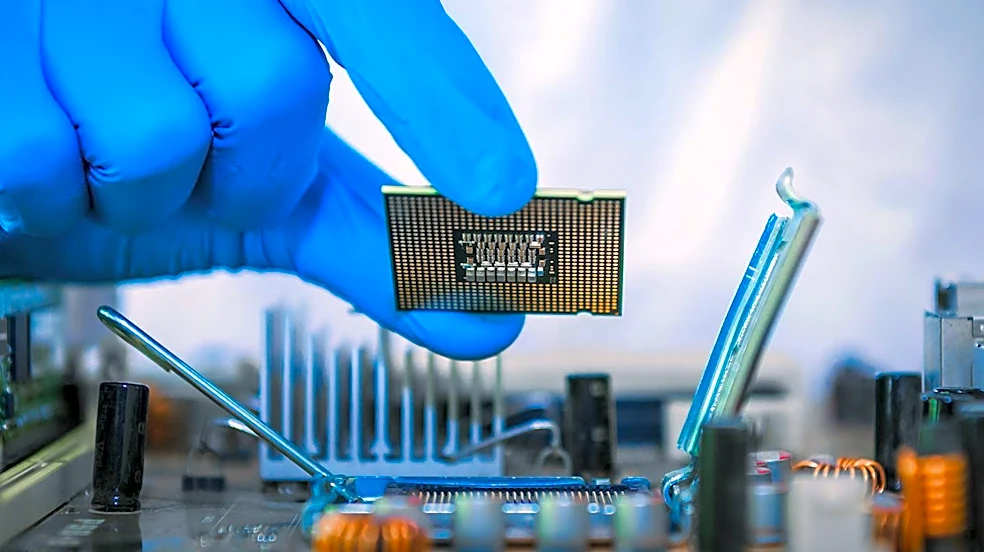
To effectively integrate veterans into the manufacturing workforce, manufacturers are encouraged to partner with national firms, foundations, and veteran-focused nonprofits. Key strategies include implementing skill-translation platforms that convert military experience into industry-recognized credentials, joining national initiatives like Heroes MAKE America, and hosting veteran career events with mentorship programs. Continued investment in programs that build talent pipelines for advanced manufacturing, such as the IVMF's partnership with Micron for microchip and semiconductor manufacturing in Syracuse, NY, will be critical. These efforts aim to create a structured support system that identifies, certifies, and matches veterans' proven competencies with employer needs, thereby fueling innovation and competitiveness in American manufacturing.
Beyond the Headlines
The focus on veterans as a solution to the manufacturing workforce crisis highlights a broader societal benefit beyond economic impact. It addresses the challenge of successful civilian reintegration for service members, providing meaningful career paths that leverage their unique skills and discipline. This approach also challenges outdated perceptions of manufacturing jobs, promoting a vision of modern manufacturing as technologically advanced and requiring sophisticated skills. Furthermore, by investing in veteran employment, the U.S. can strengthen its industrial base, reduce vulnerabilities in critical supply chains, and foster a more resilient economy. This strategy represents a strategic alignment of national priorities: supporting veterans, bolstering domestic manufacturing, and ensuring economic stability.