





What's Happening?
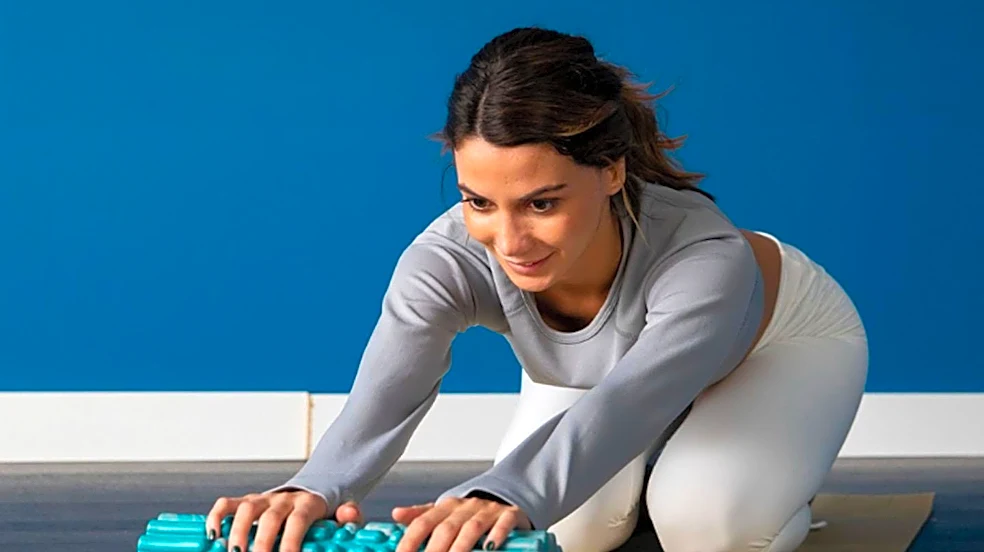
Foam rollers are cylindrical tools widely used for self-massage and improving mobility. These devices are integrated into warm-up routines, post-exercise recovery, and flexibility exercises. Users apply pressure to their muscles by moving their bodies
over the roller's surface. This technique aims to temporarily enhance the range of motion and alleviate muscle soreness following physical activity. Foam rollers are effective for targeting larger muscle groups such as the quadriceps, hamstrings, calves, and upper back. They are available in various densities: soft rollers are recommended for beginners, medium-firm for general users, and hard rollers for experienced athletes seeking deeper tissue massage. While foam rollers can aid in reducing back pain by improving blood circulation and loosening muscles, individuals experiencing persistent or acute pain are advised to consult a medical professional or physical therapist.
Why It's Important?
The increasing adoption of foam rollers highlights a growing trend in self-care and preventative health within the fitness and wellness industries. For athletes and fitness enthusiasts, these tools offer an accessible and cost-effective method for muscle recovery and injury prevention, potentially reducing reliance on professional massage therapy. The availability of different densities caters to a broad spectrum of users, from novices to elite athletes, making muscle recovery more personalized. This widespread use can contribute to improved physical well-being and performance across various demographics. However, the emphasis on consulting healthcare professionals for persistent pain underscores the importance of distinguishing between self-management tools and professional medical intervention, ensuring users seek appropriate care when necessary.
What's Next?
As awareness and usage of foam rollers continue to grow, the market may see further innovations in design, material, and specialized applications. Manufacturers might introduce rollers with advanced textures or ergonomic shapes to target specific muscle groups more effectively. Educational resources and guided programs on proper foam rolling techniques are also likely to expand, helping users maximize benefits and avoid potential misuse. The integration of foam rolling into broader wellness programs, including corporate wellness initiatives and physical therapy protocols, could also increase. Additionally, research into the long-term benefits and efficacy of foam rolling for various conditions may provide further insights, potentially leading to more standardized recommendations for its use in both athletic and general health contexts.
Beyond the Headlines
The popularity of foam rollers reflects a broader societal shift towards proactive health management and personal empowerment in wellness. This trend suggests that individuals are increasingly seeking accessible methods to manage their physical health independently, moving beyond traditional reactive approaches to healthcare. The simplicity and effectiveness of foam rollers align with a desire for practical, at-home solutions for common physical discomforts. This self-care movement also raises questions about the balance between self-treatment and professional medical advice, emphasizing the need for informed decision-making. As more people embrace such tools, there is a potential for greater overall physical literacy and a more engaged approach to personal well-being, fostering a culture where individuals take a more active role in maintaining their physical health.