






What's Happening?
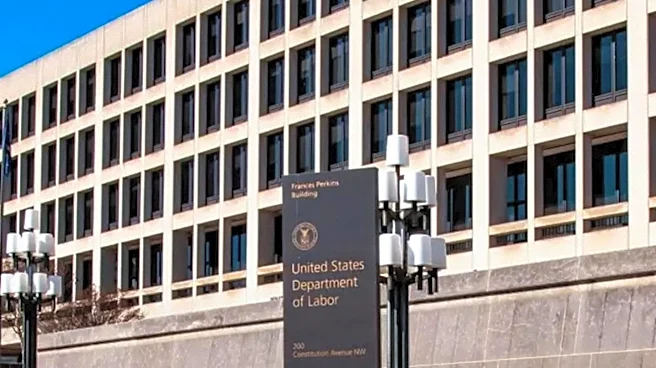
In October 2025, the U.S. Department of Labor (DOL) revised the methodology for calculating minimum wages for H-2A agricultural positions, as reported by NDSU Agriculture. Previously, these wages were based on the now-discontinued USDA Farm Labor Survey.
The new rule utilizes data from the Bureau of Labor Statistics Occupational Employment and Wage Statistics survey and introduces a tiered minimum wage system based on job requirements, experience levels (Skill Level I and Skill Level II), and whether employers provide free housing. This change was projected to transfer $2.46 billion annually from H-2A workers to employers. However, in August 2026, a federal district court in *United Farm Workers v. U.S. Department of Labor* found elements of the interim final rule to be arbitrary and capricious, ordering the DOL to develop a new Adverse Effect Wage Rate (AEWR) methodology. The current AEWRs remain in effect until new rates are published, but the DOL issued a notice on September 2, 2026, indicating that employers might owe back wage adjustments for work performed between the notice date and the publication of new rates, though no such obligation currently exists.
Why It's Important?
This alteration in H-2A wage calculation and the subsequent court challenge have significant implications for the U.S. agricultural sector and its workforce. The DOL's initial change aimed to reduce labor costs for H-2A employers, potentially impacting the profitability of agricultural operations. However, the court's ruling introduces uncertainty and potential financial liabilities for employers, who may face back wage adjustments. For H-2A workers, the new tiered system could lead to lower wages, particularly for Skill Level I positions, affecting their economic well-being. The situation highlights the complex balance between supporting agricultural businesses and ensuring fair wages for temporary foreign workers. States like North Dakota, which rely heavily on H-2A workers, particularly for skilled positions, may experience less cost relief than anticipated, as a significant portion of their H-2A workforce falls under Skill Level II, where wage adjustments are less substantial.
What's Next?
The U.S. Department of Labor is now mandated to produce a new AEWR methodology following the federal court's ruling. Until these new rates are published, the current AEWRs remain in effect. Employers are on notice regarding potential back wage adjustments, creating a period of uncertainty for agricultural businesses utilizing the H-2A program. Stakeholders, including agricultural employers, worker advocacy groups, and state agricultural departments, will closely monitor the DOL's development of the revised methodology. The outcome will determine future labor costs for farmers and the earning potential for H-2A workers. Further legal challenges are possible depending on the specifics of the new methodology, prolonging the instability surrounding H-2A wage regulations.
Beyond the Headlines
The H-2A program and its wage structures are central to broader discussions about immigration, labor rights, and the sustainability of the U.S. agricultural industry. The DOL's attempt to revise wage calculations reflects ongoing tensions between economic pressures on farmers and the need to protect vulnerable temporary workers. The court's intervention underscores the importance of administrative due process and the potential for legal challenges to significant policy changes. This situation also brings to light the varying needs of different agricultural sectors; states like North Dakota, with a demand for skilled equipment operators, experience different impacts than states relying on entry-level hand-harvest labor. The long-term implications involve the future availability of agricultural labor, the competitiveness of U.S. agriculture, and the ethical treatment of a critical segment of the nation's workforce.