




What's Happening?
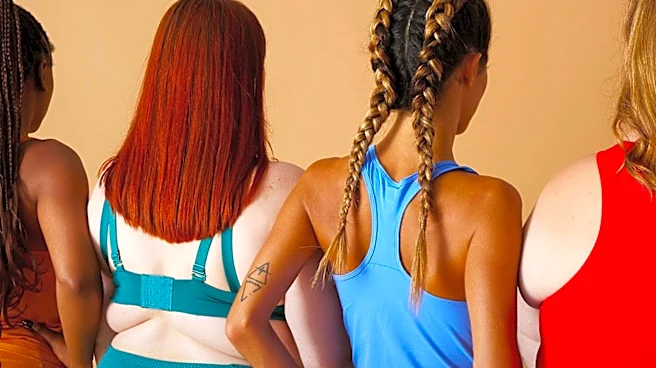
The fashion industry is experiencing a significant evolution with the rise of plus size catalog models, who typically wear sizes 12 and up. These models are crucial for promoting body positivity and catering to a diverse consumer base by showcasing clothing
designed specifically for the plus size community in catalogs and online platforms. Their responsibilities include modeling apparel to highlight fit and appearance on larger body types, representing brands in campaigns that resonate with plus size consumers, and serving as role models to promote self-acceptance and inclusivity. This shift addresses a long-standing gap in the industry where a limited range of body types was traditionally featured, leading many consumers to feel unrepresented. The inclusion of plus size models is seen as a transformative move towards greater diversity and realistic representation in fashion.
Why It's Important?
The increasing prominence of plus size catalog models is vital for several reasons. Firstly, it directly addresses the demand for diverse representation in fashion, allowing a significant portion of the consumer market to see themselves reflected in media and advertising. This fosters increased brand loyalty as consumers feel seen and valued by inclusive brands. Secondly, it enables brands to tap into the lucrative plus size market, expanding their audience reach and improving sales by catering to a previously underserved demographic. Thirdly, these models contribute to a positive social impact by promoting healthier dialogues about beauty standards and challenging unrealistic ideals. Their presence helps to normalize diverse body shapes and sizes, encouraging self-acceptance and inclusivity across the fashion industry and broader society.
What's Next?
As brands continue to recognize the purchasing power and demand for representation from plus size consumers, the role of plus size catalog models is expected to grow further. Aspiring models in this segment will need to build diverse portfolios, connect with specialized talent scouts, and seek representation from agencies focusing on plus size models. The industry will likely see more collaborations between plus size models and various brands, including those in jewelry and other fashion sectors, to create integrated campaigns that celebrate different body types. This ongoing shift will push more brands to adopt inclusive marketing strategies and product lines, further solidifying body positivity as a core value in the fashion landscape. The demand for diverse representation is set to continue influencing casting decisions and campaign development across the industry.
Beyond the Headlines
The rise of plus size catalog models signifies a deeper cultural movement towards challenging and redefining traditional beauty standards. This trend extends beyond mere commercial strategy, reflecting a societal push for authenticity and representation in all forms of media. The ethical implications involve the fashion industry's responsibility to promote healthy body images and combat the negative psychological effects of exclusionary beauty ideals. Legally, while not directly regulated, consumer demand for inclusivity could influence advertising standards and brand practices. Culturally, the visibility of diverse body types in fashion helps to dismantle stereotypes and foster a more accepting environment, contributing to broader conversations about identity and self-worth. This movement suggests a long-term shift where inclusivity is not just a trend but a fundamental expectation from consumers, driving systemic changes in how fashion is designed, marketed, and consumed.