







What's Happening?
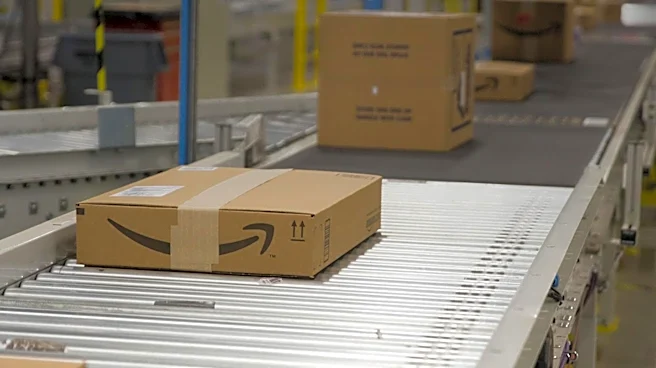
U.S. retail sales experienced a strong rebound in August, increasing by 1.2% month-on-month, surpassing the anticipated 0.8% gain. This recovery follows a 1.7% dip in July, which was largely attributed to an earlier-than-usual Amazon Prime Day shifting
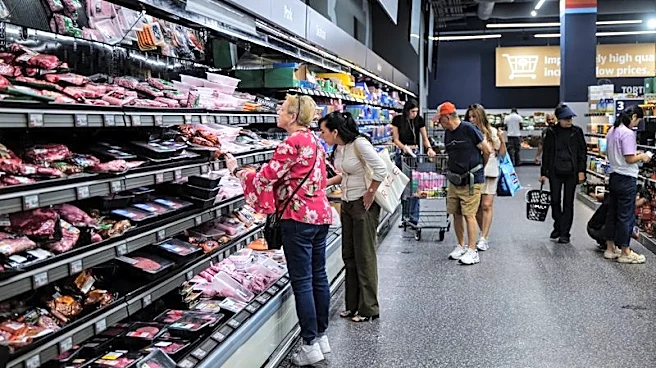
spending patterns from July to June. The control group, which excludes volatile categories such as gasoline, restaurants, building materials, and autos, also saw a significant rise of 1.4% month-on-month, exceeding the 0.5% consensus forecast. Internet stores were a primary driver of this rebound, recording a 2.6% monthly increase. Other sectors contributing to the growth included eating and drinking out, which rose by 1.2%, miscellaneous stores with a 1.9% increase, and electronics gaining 1.6%. Gasoline station sales climbed 3.1%, primarily due to higher prices. Conversely, some sectors showed softer growth, with building material stores slipping 0.2%, grocery store sales growing modestly by 0.4%, and clothing sales increasing by 0.7%. These figures are based on nominal dollar sales rather than sales volumes, indicating that while spending is up, it doesn't necessarily reflect an increase in the quantity of goods purchased.
Why It's Important?
This robust rebound in U.S. retail sales is significant as it indicates continued consumer willingness to spend, even amidst prevailing financial pressures and unusually low consumer confidence. The data reinforces a 'K-shaped' consumer narrative, where high-income households, benefiting from substantial wealth gains over the past five years, are maintaining strong spending habits. In contrast, middle and lower-income households are increasingly strained, with sentiment measures indicating high levels of anxiety. The sustained spending, despite an 18-month period of flat real household disposable incomes, suggests that consumers are drawing down savings to uphold their lifestyles. This trend is further evidenced by a rise in credit card and auto loan delinquencies, signaling potential financial stress for a segment of the population. The strong performance of online retail and the impact of higher gasoline prices on sales figures highlight shifts in consumer behavior and the influence of external economic factors on spending patterns. This divergence in spending power between different income brackets could have long-term implications for economic stability and retail strategies.
What's Next?
Looking ahead, the sustainability of this spending trend will be a key focus, particularly as households continue to draw down savings and face ongoing financial pressures. Retailers will likely continue to adapt their strategies to cater to the bifurcated consumer market, with some focusing on premium offerings for higher-income households and others emphasizing value for more budget-conscious consumers. The impact of inflation and potential interest rate changes on consumer purchasing power will also be closely monitored. Analysts predict that while retail sales are expected to grow by 4.1% during the upcoming holiday season, this growth may lag the annual average due to factors such as elevated gas prices and persistent inflation. The continued shift towards online shopping, as evidenced by the strong performance of internet stores, suggests that e-commerce will remain a critical component of retail growth. Businesses will need to carefully manage inventory and pricing strategies to navigate potential margin pressures, especially if sales growth is driven by discounting rather than increased profitability.
Beyond the Headlines
The 'K-shaped' consumer recovery highlighted by these retail sales figures points to deeper societal and economic implications. While overall retail spending appears healthy, the underlying dynamics reveal a growing disparity in financial well-being across different income groups. The reliance on drawing down savings and increasing credit card debt to maintain lifestyles among some households raises concerns about long-term financial stability and potential vulnerabilities in the consumer economy. This trend could exacerbate existing inequalities, leading to a more polarized retail landscape where luxury and discount segments thrive, while middle-market retailers face increasing challenges. Furthermore, the significant impact of events like Amazon Prime Day on monthly sales figures underscores the evolving nature of retail, where promotional events and online platforms play an increasingly dominant role in shaping consumer spending habits. Understanding these shifts is crucial for policymakers and businesses to address the root causes of financial stress and foster more inclusive economic growth.