









What's Happening?
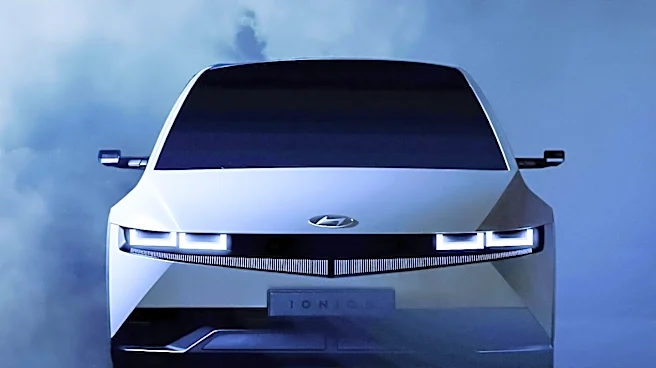
Hyundai's electric vehicle (EV) battery plant in Georgia is set to supply battery cells for up to 300,000 electric vehicles per year. This development comes as the plant begins production, contributing to Hyundai's new EV plant in Savannah. The plant's
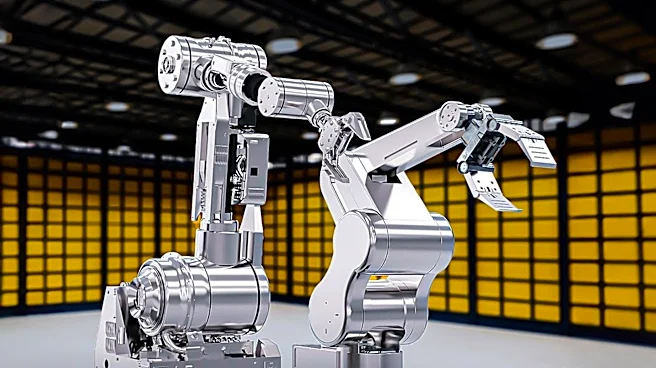
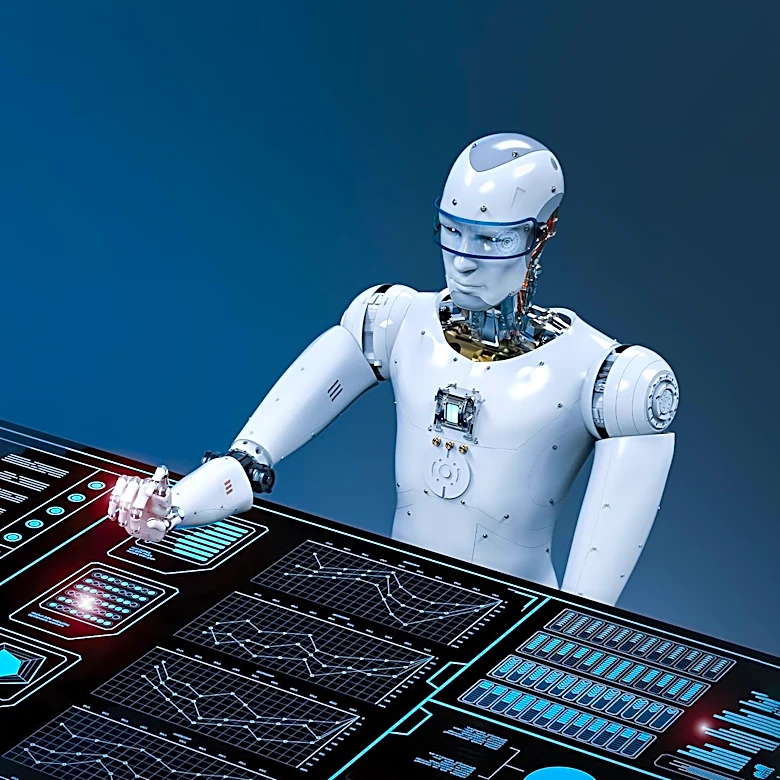
workforce dynamics have shifted following a significant immigration enforcement action last year, where U.S. authorities detained around 450 individuals, including over 300 South Korean nationals. In response to these workforce challenges, Hyundai plans to integrate automation by producing 30,000 humanoid robots annually by 2028 to assist in battery production. This strategic move aims to bolster production capabilities while addressing labor shortages.
Why It's Important?
The expansion of Hyundai's battery production in Georgia is a significant step in the U.S. EV market, potentially enhancing the supply chain for electric vehicles. By producing a substantial number of batteries domestically, Hyundai can reduce reliance on international suppliers, which may lead to cost reductions and increased competitiveness in the EV sector. The integration of robotics in manufacturing could set a precedent for other companies facing similar labor challenges, potentially leading to increased automation in the industry. This shift could impact employment patterns, with a potential decrease in traditional manufacturing jobs but an increase in demand for skilled workers to manage and maintain robotic systems.
What's Next?
As Hyundai continues to ramp up production, the company may face scrutiny from labor groups and policymakers regarding the balance between automation and employment. The success of this initiative could influence other manufacturers to adopt similar strategies, potentially accelerating the trend towards automation in the automotive industry. Additionally, Hyundai's commitment to producing robots for factory use may lead to further innovations in manufacturing processes, potentially setting new industry standards. Stakeholders, including local governments and industry leaders, will likely monitor the plant's progress and its impact on the regional economy and job market.
Beyond the Headlines
The shift towards automation in Hyundai's Georgia plant highlights broader trends in the manufacturing sector, where companies are increasingly leveraging technology to enhance efficiency and reduce costs. This move raises questions about the future of work and the role of human labor in highly automated environments. Ethical considerations regarding job displacement and the need for retraining programs for affected workers may become more prominent as automation becomes more widespread. Additionally, the environmental impact of increased battery production, including resource extraction and waste management, will be critical areas for ongoing assessment and regulation.