





What's Happening?
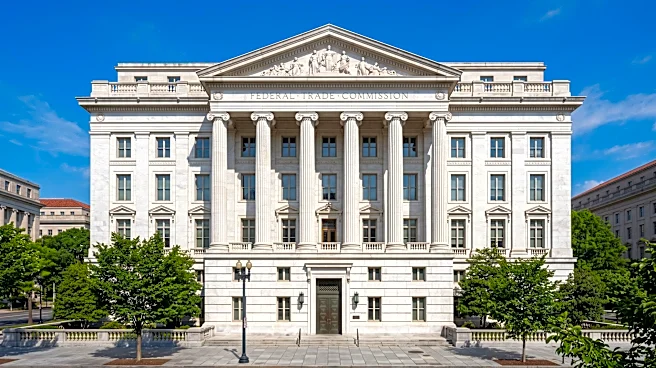
The Federal Trade Commission (FTC) announced an expansion and acceleration of payments to eligible consumers as part of last year's $2.5 billion settlement with Amazon. This settlement addressed FTC allegations that Amazon enrolled millions of consumers in
Prime subscriptions without their consent and intentionally made it difficult for them to cancel. A federal court recently approved a joint motion by the FTC and Amazon, which will broaden the eligibility for refunds and increase the maximum payment cap from $51 to $200. Under the revised order, Amazon will begin issuing automatic redress payments to millions of additional consumers who used between 11 and 20 Prime benefits during a one-year period, a group not included in earlier payment phases. These payments will be distributed automatically via electronic methods or mailed checks, eliminating the need for consumers to submit claims or paperwork.
Why It's Important?
This expanded refund program is significant as it ensures a greater number of consumers harmed by Amazon's alleged deceptive practices will receive compensation. The increase in the maximum payment cap and the automatic distribution of refunds streamline the process, making it easier for affected individuals to recover their losses without bureaucratic hurdles. This action reinforces the FTC's commitment to holding large corporations accountable for consumer protection violations, particularly in the digital subscription economy. It sends a clear message to businesses that deceptive enrollment and cancellation practices will not be tolerated, potentially influencing other companies to review and improve their subscription management processes. For consumers, it provides a tangible benefit and restores trust in online services by demonstrating that regulatory bodies are actively working to rectify past harms and prevent future abuses.
What's Next?
Automatic refunds for the newly eligible consumers (those who used between 11 and 20 Prime benefits) are scheduled to begin on October 1, 2026. These payments will be made through electronic methods like Venmo or PayPal, or via mailed checks, without requiring any action from the consumers. Furthermore, if the total accepted payments do not meet the required threshold by February 2027, Amazon will provide additional automatic payments to consumers who previously received refunds under the settlement. This supplemental round of payments, which could amount to an additional $149 for a total of $200, will commence by April 2027 and will also be distributed automatically. The FTC has clarified that Amazon is responsible for administering the redress program and warns consumers to be wary of scams, as the FTC will not contact individuals directly about these refunds.
Beyond the Headlines
The FTC's expanded action against Amazon highlights a growing regulatory focus on 'dark patterns' and deceptive user interfaces in the digital marketplace. The allegations of non-consensual enrollment and difficult cancellation processes point to broader issues of consumer autonomy and transparency in online transactions. This settlement could encourage a re-evaluation of user experience design across the tech industry, pushing companies to adopt clearer, more ethical practices for subscriptions and service agreements. The automatic nature of the refunds is particularly noteworthy, as it addresses the common problem of low claim rates in consumer redress programs, ensuring that more affected individuals actually receive their due compensation. This approach could set a new standard for how regulatory bodies handle large-scale consumer harm, prioritizing accessibility and efficiency in restitution efforts and fostering a more consumer-friendly digital environment.