




What's Happening?
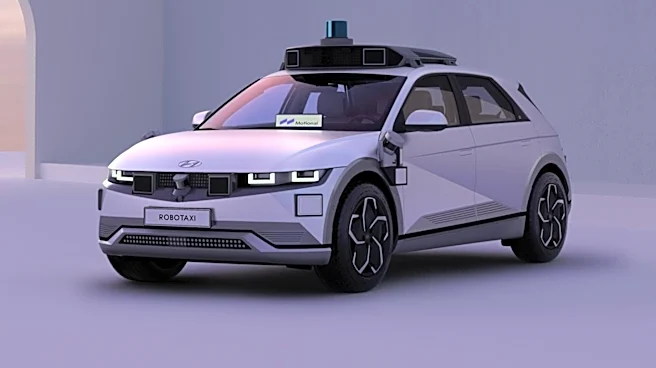
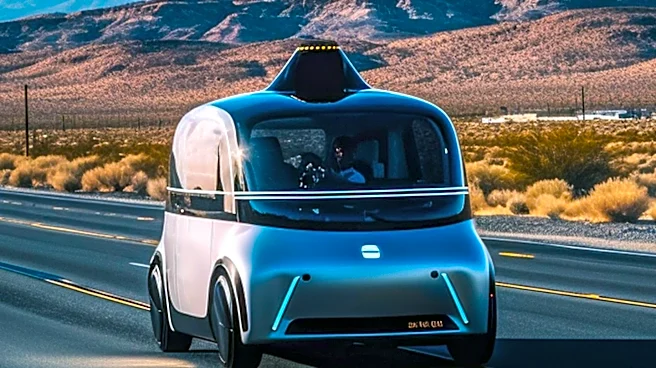
Zoox, an Amazon-owned company, has received an exemption from the National Highway Traffic Safety Administration (NHTSA) to operate its custom-built robotaxis commercially. This exemption allows Zoox to deploy a fleet of up to 2,500 vehicles without traditional
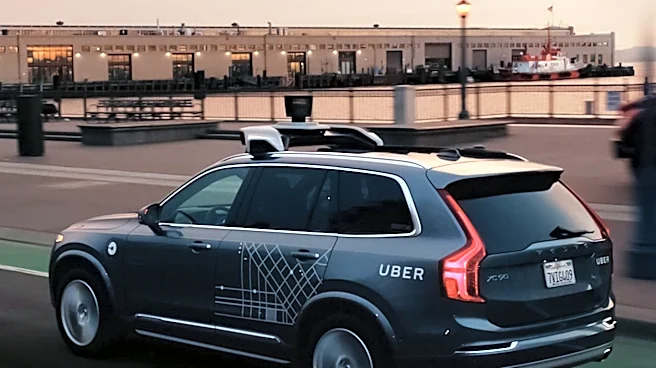
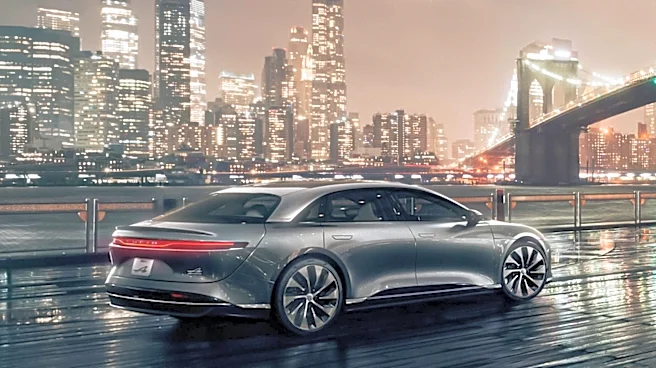
controls like steering wheels and pedals. The company plans to start charging for rides in Las Vegas and San Francisco, with future expansions in Miami and Austin. Meanwhile, Uber has committed $10 billion to deploy 120,000 driverless vehicles, partnering with companies like Lucid and Nuro to enhance its autonomous vehicle capabilities.
Why It's Important?
The approval for Zoox to operate commercially marks a significant milestone in the autonomous vehicle industry, potentially paving the way for other companies to launch similar services. This development could accelerate the adoption of robotaxis, offering a glimpse into the future of urban transportation. For Uber, the investment in autonomous vehicles represents a strategic move to maintain its leadership in the ride-hailing market. The integration of driverless technology could lead to reduced costs and increased efficiency, reshaping the competitive landscape of the industry.
What's Next?
Zoox will begin commercial operations on August 10, focusing on expanding its service to new cities. The company will need to navigate regulatory challenges and ensure the safety and reliability of its fleet. For Uber, the next steps involve scaling its autonomous vehicle operations and managing partnerships with companies like Lucid and Nuro. As the industry evolves, both companies will need to address public concerns about safety and job displacement, while also exploring new business models to capitalize on the potential of autonomous technology.