




What's Happening?
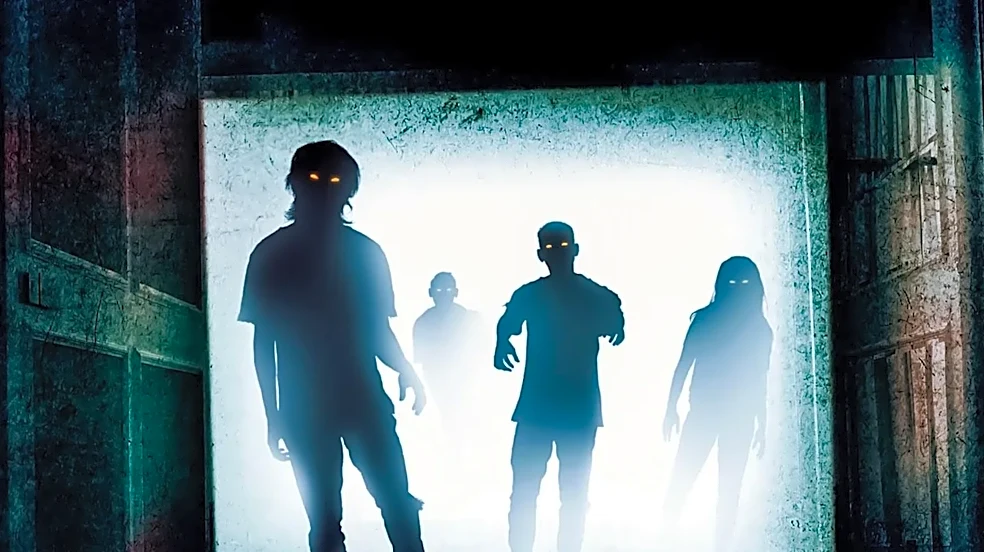
Francis Ford Coppola's 1963 horror film, 'Dementia 13,' is being recognized as a significant public domain movie that filmmakers should study. The film, produced by Roger Corman's American International Pictures, entered the public domain because its
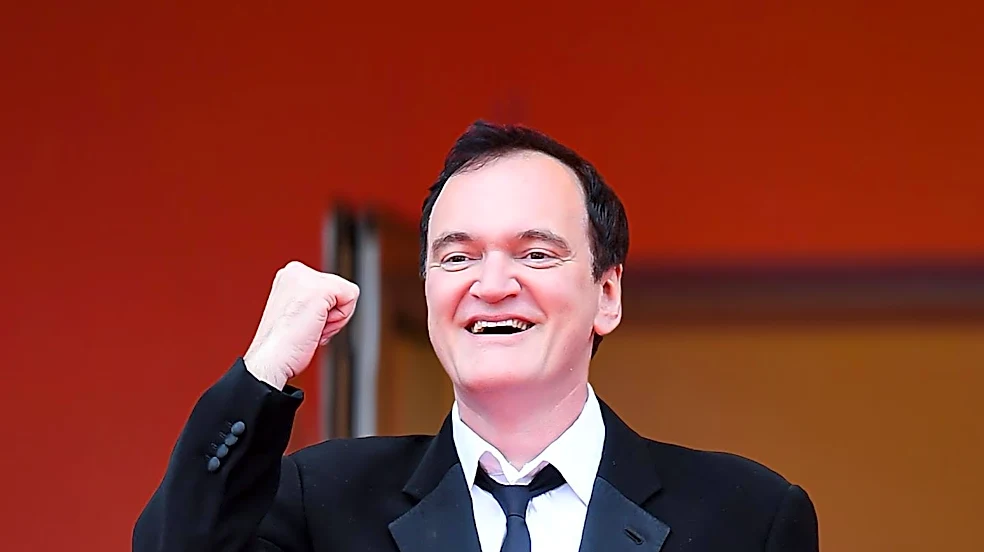
copyright was not renewed after its initial 28-year term. 'Dementia 13' is noted for being an early work by Coppola, where he applied the 'Roger Corman Playbook' by writing and shooting the feature script in just nine days, utilizing leftover budget and standing sets from Corman's 'The Terror.' The film is highlighted for its craft analysis, specifically its set-piece pacing and its blend of murder-mystery slasher elements with gothic family melodrama, themes that would later appear in Coppola's 'Dracula' and 'The Godfather' series.
Why It's Important?
The availability of 'Dementia 13' in the public domain offers aspiring and established filmmakers a valuable resource for studying early directorial techniques of a master like Francis Ford Coppola. This film provides insight into how a renowned auteur developed his craft under tight budgetary and time constraints, demonstrating efficiency and creativity in filmmaking. Its public domain status means filmmakers can freely access, analyze, and even adapt the work, fostering a deeper understanding of cinematic storytelling and production. The film's blend of genres and its influence on Coppola's later works make it a crucial piece for understanding his artistic evolution. For film students and independent creators, 'Dementia 13' serves as a practical example of maximizing resources and developing a distinct directorial voice within commercial genre filmmaking.
What's Next?
Filmmakers and film enthusiasts are encouraged to study 'Dementia 13' to glean insights into Coppola's early directorial style and the practicalities of low-budget filmmaking. Its public domain status allows for various forms of engagement, including academic analysis, creative remixes, or adaptations. The film can serve as a case study in film schools for lessons on efficient production, genre blending, and the development of a director's signature style. As more films enter the public domain, 'Dementia 13' stands as an example of how these works can continue to contribute to film education and inspire new generations of filmmakers to explore and reinterpret cinematic history. Its continued study will likely reinforce its place as a foundational work in Coppola's filmography.
Beyond the Headlines
The discussion around 'Dementia 13' extends beyond its individual merits as a film to broader implications concerning copyright law and its impact on cultural heritage. The fact that a film by a director of Coppola's stature entered the public domain due to a lapsed copyright highlights the often-complex and sometimes arbitrary nature of intellectual property protections. This situation inadvertently democratizes access to significant cinematic works, allowing for wider dissemination and creative reuse. It also underscores the value of public domain content as a rich archive for artistic inspiration and educational purposes, fostering a culture of remix and reinterpretation. The study of such films can reveal how early career constraints can paradoxically lead to innovative solutions and lay the groundwork for future artistic breakthroughs, offering a compelling narrative about the evolution of creative talent.