





What's Happening?
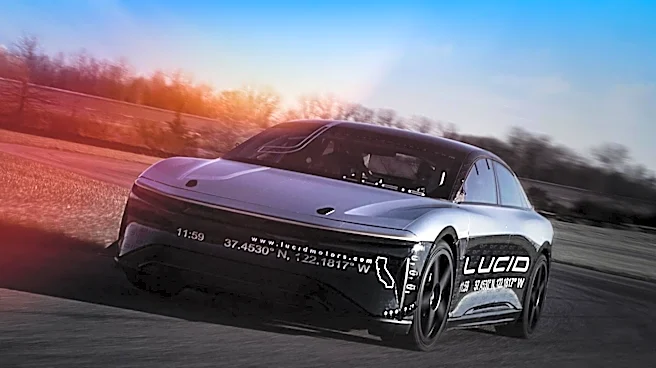
Investor Gary Black of The Future Fund LLC has stated that Tesla Inc. is losing its dominant position in the U.S. electric vehicle (EV) market to competitors, including what he terms 'no-name manufacturers.' Black emphasized that Tesla's U.S. EV market share
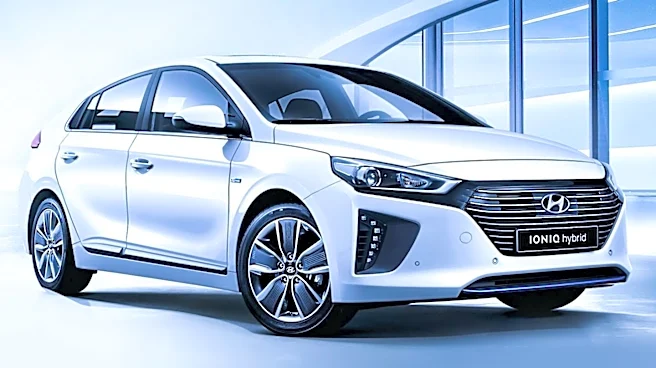
has declined from 80% in 2020 to approximately 52% currently. He argues that this decline, despite Tesla's significant first-mover and cost/scale advantages, makes it mathematically difficult to justify the company's high price-to-earnings (P/E) multiple. Black specifically pointed to companies like Hyundai, Toyota, Chevrolet, and Honda as gaining market share. He reiterated his call for Tesla to adopt a stronger marketing and communications strategy to counter this trend, suggesting that without proactive marketing, the deterioration in market share will continue.
Why It's Important?
Gary Black's assessment highlights a critical challenge for Tesla's valuation and future growth trajectory in the U.S. market. As the EV landscape becomes more competitive, Tesla's ability to maintain its premium valuation is increasingly tied to its market share. A continued decline could pressure its stock price and investor confidence. For the broader U.S. automotive industry, this trend signifies the maturation of the EV market, with traditional automakers and newer entrants successfully challenging Tesla's early dominance. This increased competition could benefit consumers through more diverse options and potentially lower prices. It also underscores the importance of marketing and brand differentiation, even for established leaders in rapidly evolving sectors, as companies like Hyundai and Honda leverage their existing brand equity and new EV models to capture market share.
What's Next?
The pressure on Tesla to address its declining U.S. EV market share is likely to intensify. Investors and analysts will be closely watching for any shifts in Tesla's strategy, particularly regarding marketing and product differentiation. If Tesla implements a more proactive marketing approach, it could help stabilize or even regain some market share. Conversely, a continued decline could lead to further re-evaluation of its stock valuation. For other automakers, Tesla's challenges present an opportunity to further expand their EV offerings and marketing efforts to capture a larger segment of the growing EV market. The competitive landscape in the U.S. EV sector is expected to remain dynamic, with innovation and strategic marketing playing crucial roles in determining market leadership.
Beyond the Headlines
This situation reflects a broader shift in the automotive industry, moving from a period of early EV adoption dominated by a single innovator to a more fragmented and competitive market. Tesla's initial success was largely driven by its technological lead and brand mystique, with minimal traditional advertising. However, as EVs become mainstream, consumer purchasing decisions are increasingly influenced by factors beyond just innovation, such as brand loyalty, diverse model offerings, and comprehensive marketing campaigns from established automakers. This evolution suggests that even disruptive companies eventually need to adapt to conventional business strategies, including robust marketing, to sustain growth and market position in a mature industry. The challenge for Tesla is to evolve its approach without diluting the unique brand identity that initially propelled its success.