




What's Happening?
Scout Motors, an emerging electric vehicle manufacturer, is proactively addressing potential quality concerns by measuring panel gaps on its Traveler bodies approximately two years ahead of the first customer deliveries, which are slated for 2028. This
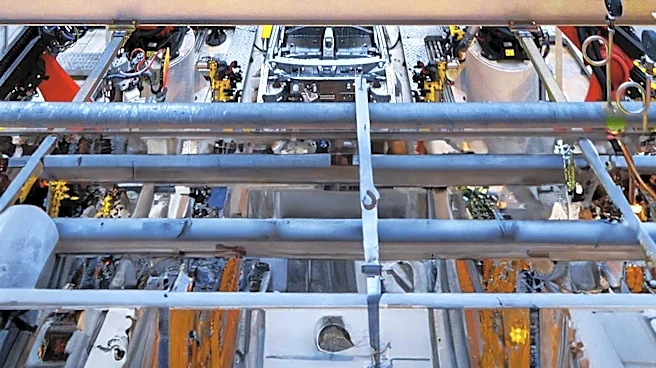
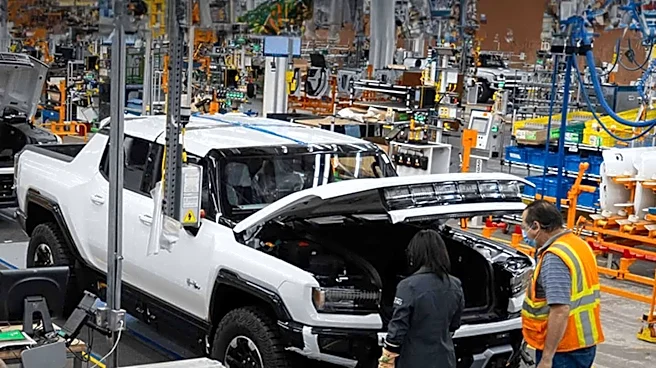
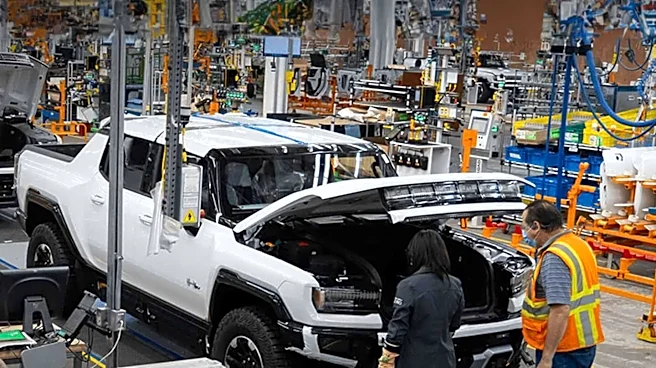
initiative, highlighted in the company's November Production Center update, involves validation builds to test welding equipment and measure tolerances at its Blythewood, South Carolina factory. The company is utilizing 751 robots in the Body Shop for dry cycles and employs AI-enabled cameras to inspect the quality of approximately 5,000 welds per vehicle body. This early focus on precision aims to prevent common first-year vehicle issues such as wind noise, water leaks, and misaligned components. Scout Motors is also implementing a comprehensive training program for its workforce, utilizing dedicated training centers with robots and AI-powered earpieces to guide new hires through assembly processes, ensuring high standards before they work on customer vehicles. The company plans to produce up to 200,000 vehicles annually, with initial deliveries focused on the United States and Canada.
Why It's Important?
This early emphasis on manufacturing quality by Scout Motors is significant for several reasons. For the 210,000 individuals holding reservations, it signals a strong commitment to reliability and customer satisfaction, potentially mitigating the common anxieties associated with purchasing a first-year model from a new brand. By identifying and resolving potential manufacturing flaws well in advance, Scout aims to build a reputation for durability and craftsmanship from the outset, which is crucial in the competitive electric vehicle market. This strategy could reduce warranty claims and enhance brand loyalty, as initial quality often dictates a vehicle's long-term market perception. Furthermore, by leveraging Volkswagen Group's proven electric drive units and a four-cylinder engine for its Harvester range extender, Scout is strategically de-risking its powertrain, which is typically a high-risk area for new automotive companies. This combination of in-house quality control and reliance on established componentry could position Scout Motors as a credible contender in the electric truck and SUV segment.
What's Next?
Scout Motors plans to continue its validation builds and testing phases throughout 2027, with production scheduled to commence that year and customer deliveries beginning in 2028. The company will proceed with installing the remaining equipment in its Paint Shop and Final Assembly areas, including moving floor conveyor systems. Further development of its workforce training programs, incorporating advanced tools like smart glasses for visual identification of correct assembly, is also anticipated. As production ramps up, Scout will focus on achieving its target of 40 vehicles per hour, aiming for an annual capacity of up to 200,000 units. The company will also work towards securing EPA ratings for its battery-electric model, estimated at 350 miles of range, and its Harvester range extender, targeting up to 500 miles of combined range. The market will closely watch how Scout Motors translates its current quality assurance efforts into actual vehicle performance and customer satisfaction upon launch.
Beyond the Headlines
Scout Motors' meticulous approach to pre-production quality control reflects a broader industry trend towards mitigating the risks associated with new vehicle launches, particularly in the rapidly evolving EV sector. This strategy could set a new benchmark for emerging automotive manufacturers, emphasizing that robust engineering and manufacturing processes are as critical as innovative design and technology. The integration of AI in quality checks and worker training also highlights the increasing role of advanced technology in modern manufacturing, potentially leading to more efficient and error-free production lines across the industry. Furthermore, by reviving an iconic American brand and electrifying it, Scout Motors is tapping into a sense of heritage while pushing towards a sustainable future. This blend of nostalgia and innovation, backed by a strong commitment to quality, could resonate deeply with consumers seeking both reliability and environmental consciousness in their vehicle choices, potentially influencing future brand revival strategies in the automotive sector.