

What's Happening?
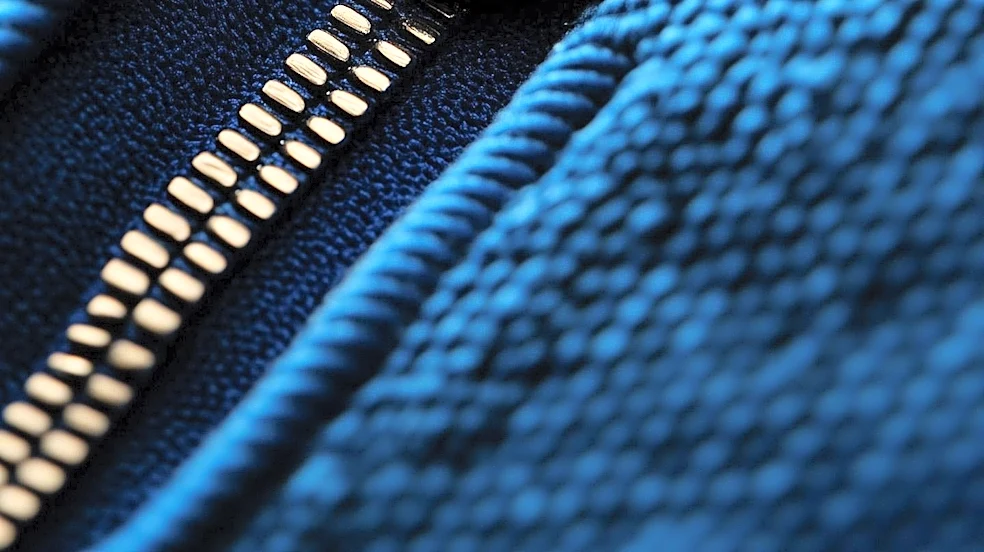
YKK, a major zipper manufacturer, announced that its sustainable product line, the Natulon zipper series, now accounts for over half of its global zipper sales volume. In fiscal year 2025, these sales reached 431.4 billion yen (2.7 billion USD) with 9.73
billion units sold. This shift has led to a significant reduction of 20,790 tons in greenhouse gas emissions compared to using virgin materials. The Natulon series utilizes recycled polyester, primarily sourced from PET bottles, in its zipper tape. The company aims for Natulon products to constitute 63% of its sales share by fiscal year 2026. YKK is also developing a new Natulon Plus Fiber Sourced Zipper with Recycled PET Open Parts, designed for mono-material construction to facilitate recycling with garments, and features a slider made from recycled zinc alloy. Additionally, YKK is expanding its renewal components to enable easier zipper repairs and introduced the Circular Design Special Award to foster talent in circular fashion.
Why It's Important?
This development by YKK is crucial for the U.S. fashion industry and its sustainability goals. As the apparel sector increasingly moves towards circularity, the availability of sustainable trims like YKK's zippers is essential for brands aiming to reduce their environmental footprint. The ability to recycle zippers along with garments through mono-material construction addresses a significant challenge in textile recycling, which often struggles with mixed materials. This innovation can help U.S. fashion companies meet growing consumer demand for eco-friendly products and comply with potential future regulations on product sustainability and waste reduction. Furthermore, YKK's focus on repairability extends the lifespan of garments, aligning with circular economy principles and potentially reducing textile waste in landfills. The company's proactive approach, as stated by Yuka Suzuki, general manager of the sustainable product strategy department, ensures that sustainability becomes a standard rather than an option, influencing broader industry practices.
What's Next?
YKK plans to continue its trajectory towards greater sustainability, aiming for Natulon products to reach 63% of its sales share in fiscal year 2026. The company has allocated 8.4 billion yen (53 million USD) for sustainability-related investments in FY2026, indicating a sustained commitment to environmental initiatives. The ongoing development and expansion of products like the Natulon Plus Fiber Sourced Zipper and renewed repair components suggest a future where sustainable and repairable fastenings become more commonplace. The Circular Design Special Award will continue to nurture new talent, potentially leading to further innovations in circular fashion design. These efforts are part of YKK's Sustainability Vision 2050, which outlines long-term environmental goals across five themes: climate change, material resources, water resources, chemical management, and respect for people. The company's consistent recognition on CDP's Climate Change 'A List' for three consecutive years underscores its progress and commitment to further reducing CO2 emissions and expanding renewable energy use.
Beyond the Headlines
The shift by a major component supplier like YKK towards sustainable products has profound implications beyond immediate sales figures. It signals a broader industry transformation where the entire supply chain, not just the final product, is scrutinized for its environmental impact. This move could pressure other component manufacturers to adopt similar sustainable practices, creating a ripple effect across the global fashion industry. The emphasis on mono-material construction and repairability challenges the traditional linear model of 'take-make-dispose' and promotes a more resource-efficient system. Ethically, it addresses concerns about textile waste and pollution, aligning with consumer values that increasingly prioritize environmental responsibility. Culturally, it could normalize the idea of repairing and extending the life of clothing, moving away from fast fashion's disposability. This long-term vision, encapsulated in YKK's Sustainability Vision 2050, suggests a fundamental re-evaluation of how fashion products are designed, produced, consumed, and ultimately managed at the end of their life.