
What's Happening?
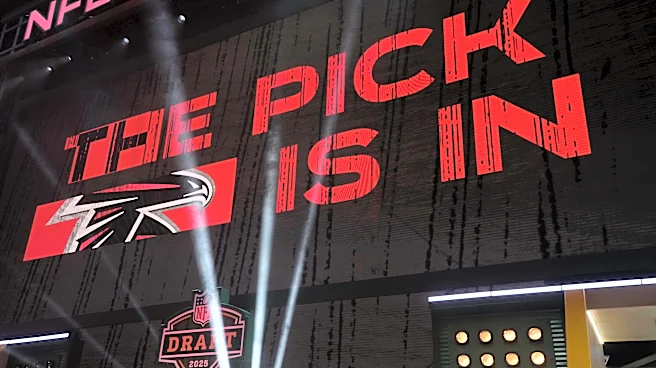
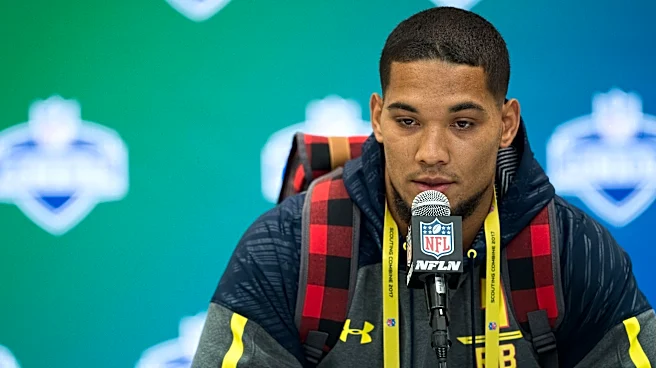
The Kansas City Chiefs' selection of Clemson defensive tackle Peter Woods as the 29th overall pick in the 2026 NFL Draft is under review due to his disappointing early career performance. The Chiefs had
prioritized the defensive tackle position during the pre-draft process, making Woods' selection unsurprising. However, halfway through the regular season, Woods has yet to demonstrate effectiveness as a pass rusher or in run defense. According to TruMedia, among 31 rookies with over 50 pass-rushing snaps this season, Woods ranks second-to-last in pressure rate at 2.2% and has not been credited with a defensive run stuff. This has led to questions regarding the team's draft strategy and whether they were too rigid in their approach, potentially overlooking other impactful players. Woods, who will not turn 22 until March, still has time to develop, but his current contributions are a cause for concern for the franchise.
Why It's Important?
The performance of high draft picks like Peter Woods is crucial for NFL teams, as these selections represent significant investments of draft capital and future roster planning. For the Kansas City Chiefs, a team that has historically relied on strong defensive play, the underperformance of a first-round defensive tackle could have long-term implications for their defensive line strength, especially as they look to fill roles previously held by veteran players like Chris Jones. If Woods fails to develop into a difference-maker, it could force the Chiefs to re-evaluate their draft philosophy and potentially allocate more resources to the defensive tackle position in future drafts or free agency. This situation also highlights the inherent risks in the NFL draft, where even highly touted prospects may struggle to transition to the professional level, impacting team competitiveness and strategic decisions.
What's Next?
The immediate future for Peter Woods will involve continued efforts to improve his performance as a pass rusher and in run defense. The Chiefs' coaching staff will likely focus on his development, aiming to integrate him more effectively into their defensive scheme. Given his young age, the team may exercise patience, hoping that he can adapt and grow into the role. However, if his struggles persist, the Chiefs might explore other options for their defensive line, potentially through trades, free agency, or future draft picks. The team's long-term outlook for Woods will depend on his ability to demonstrate tangible progress in the coming seasons. His development will be closely watched as the Chiefs assess their roster needs and draft strategies moving forward.
Beyond the Headlines
The situation with Peter Woods extends beyond his individual performance, touching upon broader NFL draft philosophies and team building. The Chiefs' decision to prioritize a defensive tackle, even at the expense of potentially addressing other needs like wide receiver, reflects a common strategy among teams with established star quarterbacks: bolstering other areas of the roster. However, Woods' early struggles underscore the challenge of predicting collegiate success in the NFL and the pressure on teams to make every draft pick count. It also raises questions about the balance between sticking to a pre-draft plan and adapting to how the draft board unfolds. The long-term success or failure of picks like Woods can influence future draft strategies across the league, as teams continuously refine their methods for identifying and developing talent.