


What's Happening?
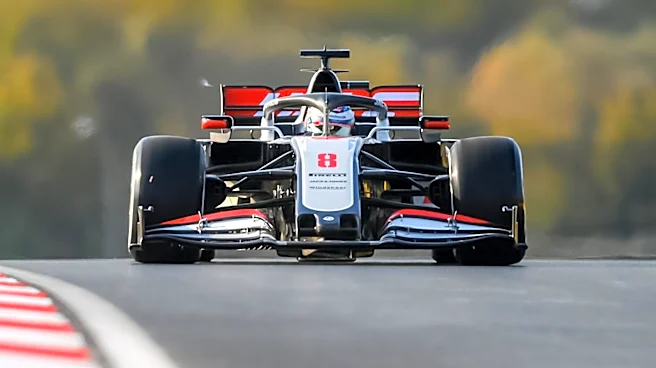
Haas F1 Team has decided to equip Oliver Bearman with the new Ferrari engine upgrade for the Italian Grand Prix at Monza, while his teammate Esteban Ocon will not receive the upgrade immediately. This decision was made by Team Principal Ayao Komatsu due
to Ferrari only providing one upgraded power unit to its customer teams under the ADUO system. Komatsu justified the choice by stating that Haas aims to distribute upgrades as equitably as possible between its drivers. He noted that Ocon had previously received priority for upgrades to the braking system and power steering, areas where he experienced more difficulties. Given Monza's high power sensitivity, Haas opted to utilize the performance gain immediately rather than waiting for a second engine, which Ferrari could not supply in time. The team emphasized transparency in its decision-making process, acknowledging that Ocon might not be pleased but asserting it was the fairest approach for the team's overall performance.
Why It's Important?
This decision highlights the strategic complexities and resource allocation challenges faced by Formula 1 teams, particularly customer teams like Haas. The prioritization of one driver over another for a critical performance upgrade, especially at a power-sensitive track like Monza, can significantly impact race results and championship standings. For Oliver Bearman, receiving the upgrade provides a crucial advantage, potentially boosting his performance and demonstrating his capabilities. Conversely, Esteban Ocon's delayed access to the new engine could put him at a disadvantage, potentially affecting his race performance and his ongoing evaluation for a 2027 seat. The situation also underscores the delicate balance teams must strike between maximizing immediate performance and maintaining perceived fairness among their drivers, especially when limited resources are available. This could influence team dynamics and future driver contract negotiations.
What's Next?
Esteban Ocon will continue to race with the older engine specification at Monza, while Oliver Bearman will benefit from the new Ferrari power unit. Haas will likely monitor the performance differential between the two drivers closely during the Grand Prix. Following Monza, Haas will aim to provide Ocon with the upgraded engine as soon as a second unit becomes available from Ferrari. The team's transparency in explaining the decision is intended to manage expectations and internal team relations. However, Ocon's performance relative to Bearman at Monza, particularly with the engine disparity, could influence his standing in the ongoing evaluation for a 2027 seat, for which he is one of five candidates. The outcome of this race could therefore play a role in Haas's long-term driver lineup decisions.
Beyond the Headlines
The situation at Haas extends beyond a simple engine upgrade, touching upon the broader competitive landscape and driver career trajectories in Formula 1. The explicit acknowledgment by Team Principal Ayao Komatsu that Ocon is among five candidates for a single 2027 seat adds a layer of pressure to Ocon's performance. The decision to give Bearman the upgrade first, even if justified by prior allocations, could be perceived as a subtle signal regarding the team's future direction and its willingness to invest in younger talent. This scenario reflects the high-stakes nature of F1, where every technical advantage and strategic decision can have significant implications for a driver's career and a team's competitive standing. It also highlights the inherent tension between individual driver ambitions and overall team objectives, especially when resources are constrained.