





What's Happening?
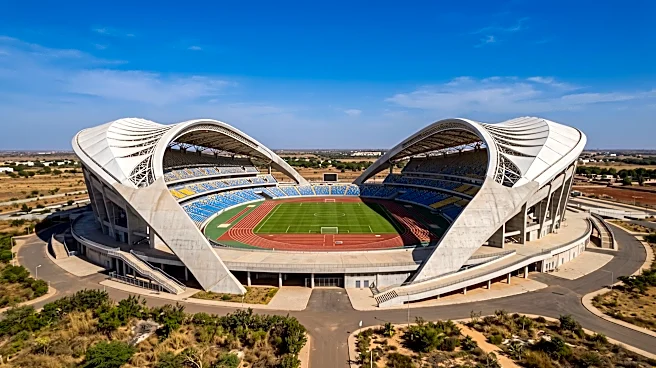
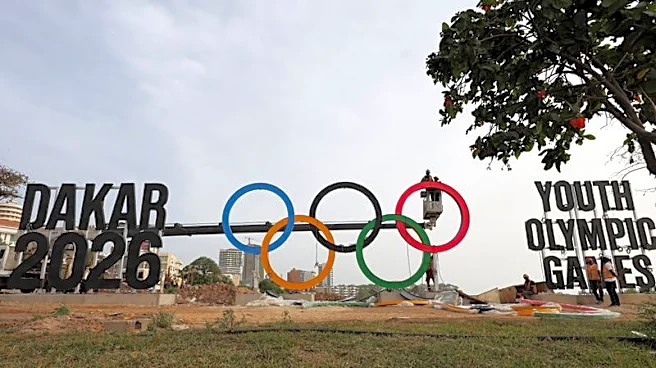
The Youth Olympic Games officially commenced in Senegal on Saturday, a historic occasion as it marks the first time an Olympic event has been hosted on the African continent. The opening ceremony, held at the Diamniadio Olympic Stadium near Dakar, drew
tens of thousands of spectators who celebrated Senegalese and African culture. The event's motto, 'Africa welcomes, Dakar celebrates,' was reflected in performances featuring drummers, dancers, and a giant map of Africa formed by performers in traditional gowns. Senegalese President Bassirou Diomaye Faye declared the Games open. Approximately 2,700 athletes, aged 14 to 17, will compete across 153 medal events in 25 sports through November 13 in Dakar, Diamniadio, and Saly. Notably, Russia's delegation of 13 athletes is participating under its national flag for the first time since its suspension following the 2022 invasion of Ukraine. Additionally, a refugee team, comprising six athletes based in Kenya and Uganda, will compete in track and field, judo, and taekwondo.
Why It's Important?
This inaugural Olympic event in Africa holds significant importance for the continent's growing role in international sports and diplomacy. Hosting the Youth Olympic Games provides Senegal and Africa with a global platform, potentially challenging existing stereotypes and showcasing the continent's rich cultural diversity and organizational capabilities. For African countries, sports are increasingly viewed as a tool for development and diplomatic engagement, following precedents like South Africa's hosting of the 2010 FIFA World Cup and Morocco's co-hosting of the 2030 tournament. The event could inspire greater investment in sports infrastructure and youth development across Africa, fostering new generations of athletes and promoting international cooperation. The participation of Russia under its national flag and the inclusion of a refugee team also highlight broader geopolitical and humanitarian dimensions within the Olympic movement, underscoring the Games' capacity to reflect and influence global narratives.
What's Next?
The Youth Olympic Games will continue through November 13, with athletes competing in various sports across multiple venues in Senegal. The successful execution of these Games could pave the way for future major international sporting events to be held in Africa, further solidifying the continent's position in the global sports arena. The International Olympic Committee (IOC) will likely monitor the event's success closely, as it represents a significant step in its efforts to diversify host nations and promote sports globally. The performance of the Russian delegation and the refugee team will also be observed, potentially influencing future policies regarding international sports participation and humanitarian initiatives within the Olympic framework. The long-term impact on youth engagement in sports and the development of sports infrastructure in Senegal and neighboring countries will be a key area to watch.
Beyond the Headlines
Beyond the immediate sporting competitions, the Youth Olympic Games in Senegal carry profound cultural and social implications. The emphasis on showcasing African culture during the opening ceremony, with traditional performances and a focus on unity, aims to project a positive and diverse image of the continent to a global audience. This cultural diplomacy can help counter negative perceptions and foster a sense of pride among African populations. The event also serves as a powerful symbol of youth empowerment, providing young athletes with a unique opportunity to compete on an international stage and interact with peers from diverse backgrounds. This exposure can contribute to personal growth, cross-cultural understanding, and the development of future leaders. The legacy of these Games could extend beyond sports, influencing educational programs, public health initiatives, and overall national development strategies in Senegal and across Africa.