


What's Happening?
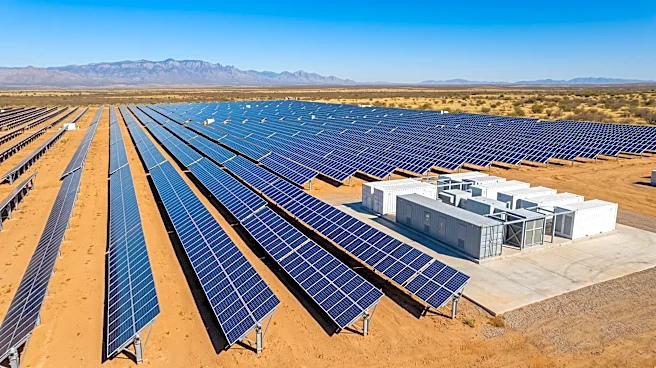
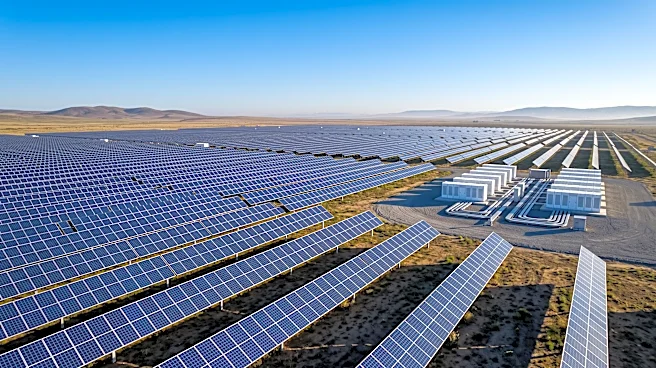
Aligned Climate Capital has announced the initial close of its new investment vehicle, Aligned Solar Partners 7 (ASP7), with a goal to raise $500 million. This fund is specifically designed to finance and operate distributed solar and energy storage projects
across the United States. The initiative comes as the U.S. experiences a significant increase in power demand, driven by factors such as expanding data centers, industrial reshoring, and the electrification of transportation. ASP7 has already identified over 500 megawatts of potential projects, focusing on construction-ready assets from developer partners. The fund aims to provide the necessary capital to build these projects and then maintain them as operational assets. This strategic move addresses the current shortages in conventional generation options and the lengthy delays associated with large natural gas turbines, positioning distributed solar and energy storage as rapid solutions for increasing grid capacity.
Why It's Important?
This investment is crucial for the U.S. energy landscape as it directly addresses the growing demand for electricity with clean energy solutions. The focus on distributed solar and energy storage projects offers a faster deployment alternative compared to traditional power generation methods, which are often plagued by long construction times. By channeling significant capital into these projects, Aligned Climate Capital is helping to accelerate the transition to a more resilient and sustainable energy grid. This initiative also supports the broader economic trends of industrial reshoring and the expansion of data centers, which are increasing the country's energy consumption. Furthermore, the fund's strategy of acquiring and operating these assets provides stability and long-term commitment to the clean energy sector, fostering job creation and economic growth in local communities. For homeowners, the broader shift towards solar, supported by such investments, means more accessible and potentially more affordable options for rooftop solar installations and battery storage, offering protection during outages and savings on energy costs.
What's Next?
Aligned Solar Partners 7 will continue its fundraising efforts to reach its $500 million target, with the capital being deployed to acquire and operate construction-ready distributed solar and energy storage projects nationwide. The fund's immediate next steps involve financing the identified 500 megawatts of potential projects. This will likely lead to an increase in the construction and deployment of solar and storage facilities, particularly in the middle market segment. The success of ASP7 could also encourage further investment in similar clean energy infrastructure funds, potentially accelerating the overall growth of distributed energy resources across the U.S. Utilities and energy providers will likely integrate these new capacities into their grids, enhancing reliability and potentially stabilizing energy costs for consumers. Homeowners are encouraged to utilize resources like EnergySage to compare solar options and incentives as the market for residential solar and battery storage continues to expand.
Beyond the Headlines
The investment by Aligned Climate Capital highlights a deeper shift in how the U.S. is approaching its energy infrastructure. The emphasis on distributed solar and storage not only addresses immediate power demand but also contributes to decentralizing the energy grid, making it less vulnerable to large-scale outages and more resilient to climate-related disruptions. This move also signifies a growing recognition of the economic viability and strategic importance of clean energy, moving beyond environmental concerns to practical solutions for energy security and affordability. The fund's focus on 'middle-market assets' suggests an effort to democratize access to clean energy, allowing smaller-scale projects to secure financing and contribute to the national energy mix. This could foster innovation and competition within the clean energy sector, leading to more efficient and cost-effective solutions for both businesses and residential consumers. The long-term implications include a more robust, diversified, and sustainable energy system that can better adapt to future challenges and technological advancements.