



What's Happening?
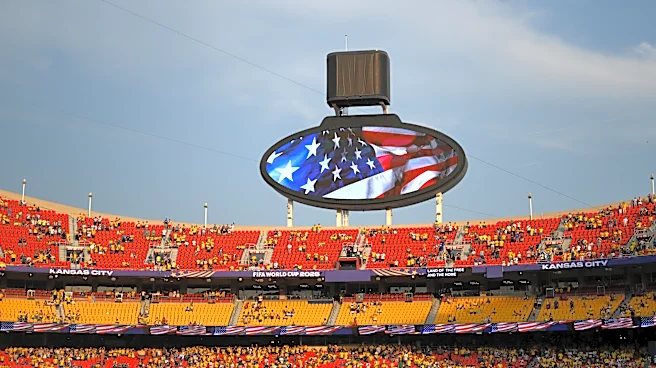
In the context of the 2026 FIFA World Cup, the term 'number 10' in soccer refers to a specific position on the field rather than just a jersey number. This position is typically an attacking midfielder, who plays just behind the striker and is crucial
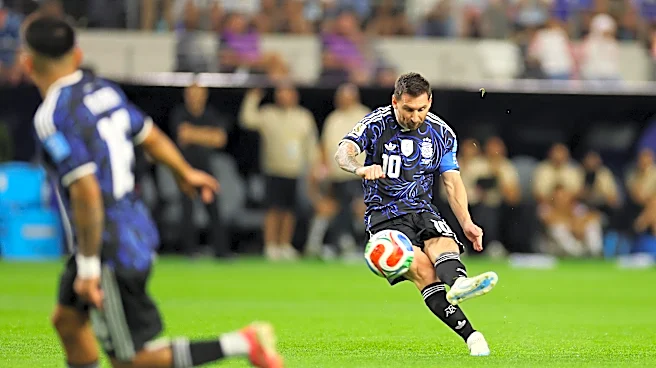
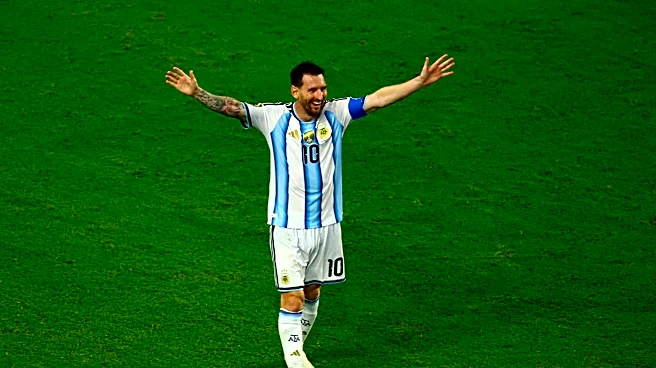
in creating scoring opportunities. The historical significance of the 'number 10' stems from the early days of football when jersey numbers were assigned based on field positions. The attacking midfielder, being one of the most forward positions, was traditionally assigned the number 10. This role is often associated with players of high creativity and skill, such as Lionel Messi. The number 10 is not just a number but a symbol of a pivotal role in soccer, often linked with legendary players who have worn it.
Why It's Important?
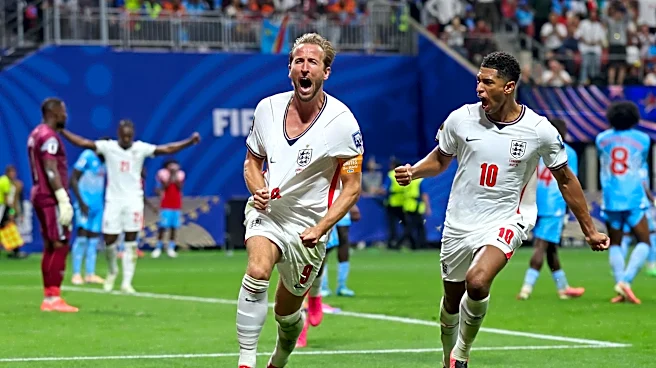
The 'number 10' position is vital in soccer as it often dictates the flow of the game and can be the difference between winning and losing. Players in this role are typically the team's playmakers, responsible for setting up goals and maintaining offensive pressure. The historical and cultural significance of the 'number 10' jersey adds a layer of prestige and expectation for those who wear it. This position's importance is highlighted in major tournaments like the FIFA World Cup, where strategic playmaking can lead to national glory. Understanding this role helps fans appreciate the tactical nuances of soccer and the skill required to excel in this position.
What's Next?
As the 2026 FIFA World Cup progresses, the performance of 'number 10' players will be closely watched by fans and analysts alike. These players are expected to lead their teams in offensive strategies and potentially become standout stars of the tournament. The legacy of the 'number 10' will continue to evolve as new players take on this role, potentially redefining what it means to be a playmaker in modern soccer. Teams may also adapt their strategies to maximize the effectiveness of their 'number 10', influencing future tactical developments in the sport.