






What's Happening?
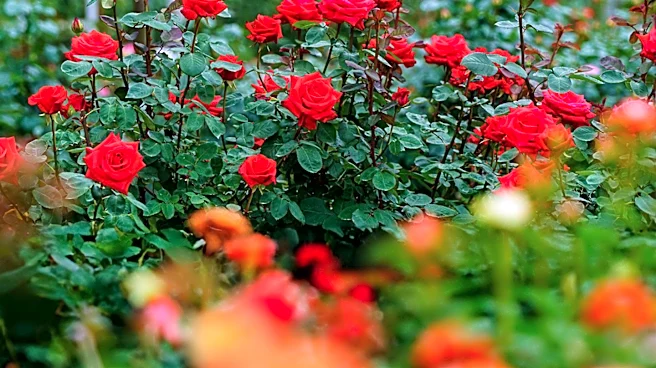
Rose breeders are increasingly focusing on cultivating varieties known for their strong fragrances, moving beyond the traditional emphasis on shape, color, or petal count. Historically, some modern rose hybrids and garden roses have lost their scent due
to breeding efforts aimed at larger, more colorful flowers with longer shelf lives or disease resistance. However, there's a renewed interest in varieties like tea roses, damask roses, shrub roses, and old roses, which are celebrated for their potent aromas. The scent of a rose is produced by oils of alcohol and sugar in its petals, with tiny glands releasing the fragrance. The number of petals directly influences the intensity of the scent; more petals generally mean a stronger fragrance. Environmental factors such as warmth, humidity, bloom age, growing location, and even the time of day can also affect a rose's fragrance strength. For home growers, avoiding synthetic fertilizers and pesticides is recommended to cultivate highly fragrant roses.
Why It's Important?
This shift in rose cultivation holds significant implications for the U.S. floral industry and consumers. By prioritizing fragrance, growers can offer a more multi-sensory product, potentially increasing consumer satisfaction and demand for fresh-cut roses and garden varieties. This could lead to a resurgence in popularity for certain rose types, impacting nursery sales, florists, and even the perfume industry, which often draws inspiration from natural scents. Consumers stand to gain from a wider selection of aromatic roses, enhancing personal gardens and floral arrangements. The emphasis on natural growing methods, such as avoiding synthetic chemicals, also aligns with growing consumer preferences for organic and environmentally friendly products, potentially fostering a more sustainable approach within the horticulture sector. This trend could also influence agricultural research, directing more resources towards understanding and enhancing the genetic components of rose fragrance.
What's Next?
The floral industry is likely to see an increase in the development and marketing of highly fragrant rose varieties. Research institutions and private breeders may invest further in genetic studies to identify and enhance the genes responsible for scent production in roses. Consumers can expect to find more detailed information about the fragrance profiles of roses at nurseries and florists, similar to wine tasting notes, with descriptors like pear, myrrh, or citrus. Educational initiatives for home gardeners on cultivating fragrant roses using natural methods are also anticipated. This focus on fragrance could also spur innovation in related industries, such as aromatherapy and natural perfumery, seeking to capture and utilize these enhanced rose scents. The long-term impact could be a more diverse and aromatic rose market, catering to a broader range of consumer preferences.
Beyond the Headlines
Beyond the immediate market implications, the renewed focus on rose fragrance touches upon deeper cultural and sensory aspects. The scent of a rose has long been associated with beauty, romance, and emotional well-being. By restoring and enhancing this characteristic, the industry is not just selling a flower but an experience, tapping into the psychological and emotional benefits that aromatherapy and natural scents provide. This trend could also highlight the importance of biodiversity in plant breeding, reminding us that while modern cultivation often prioritizes visual appeal and durability, traditional traits like fragrance hold intrinsic value. It encourages a more holistic appreciation of nature, where all senses are engaged, and could lead to a broader re-evaluation of what constitutes 'quality' in horticultural products, moving beyond mere aesthetics to encompass a richer sensory experience.