






What's Happening?
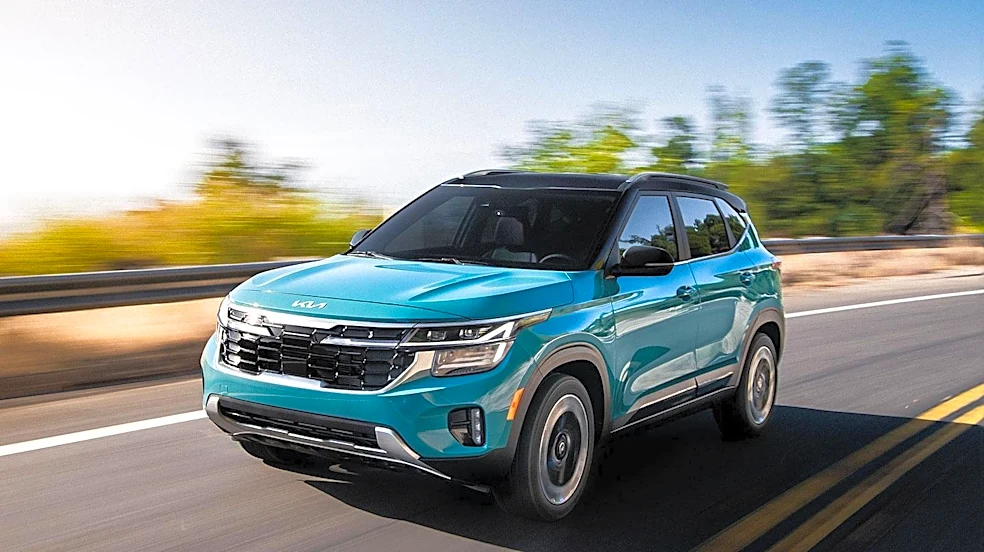
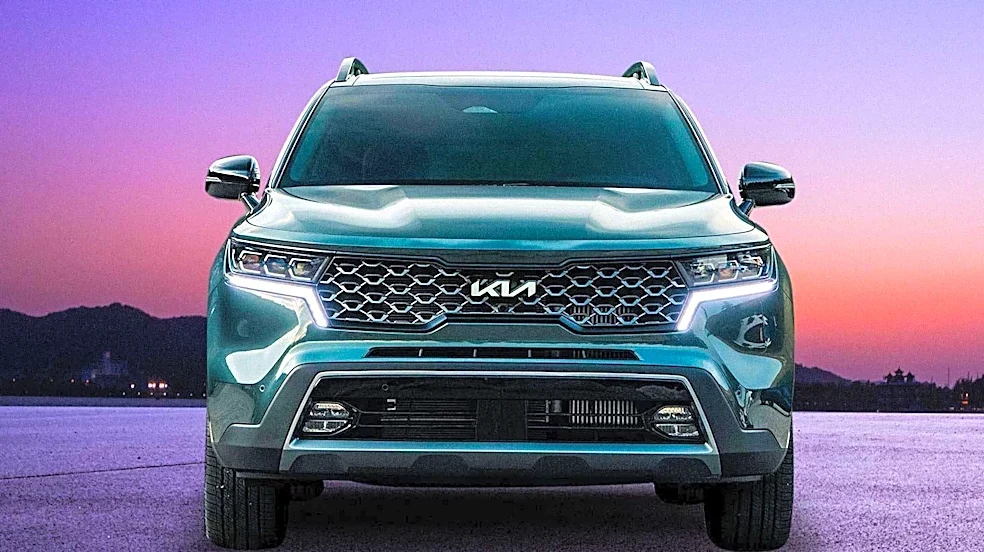
Kia America has announced significant changes to its 2027 Sorento PHEV (Plug-in Hybrid Electric Vehicle) lineup. The company has discontinued the previously available cheaper trim, making the X-Line SX-Prestige AWD the sole option for the model year.
This move results in a starting price of $53,890, excluding a $1,495 destination charge, which is a $400 increase compared to the previous year's X-Line SX-Prestige AWD. The 2027 model now includes a head-up display as a standard feature. Previously, the EX all-wheel-drive trim was available at $48,290, meaning the entry-level price for the Sorento PHEV has effectively increased by $5,600. The X-Line SX-Prestige AWD trim comes equipped with a heated steering wheel, heated second-row seats, a panoramic sunroof, ventilated and heated front seats, perforated leather upholstery across all three rows, and extensive power adjustments for the front seats. It also features second-row captain's chairs, a split-folding third row for a six-seat configuration, and a 12-speaker Bose audio system. The vehicle offers an electric-only range of 31 miles, powered by a 14-kilowatt-hour battery, and includes a Level 1/Level 2 charging cable. The powertrain combines a 1.6-liter turbocharged inline-four engine with electric assistance, delivering a total of 268 horsepower and 270 pound-feet of torque.
Why It's Important?
This strategic adjustment by Kia America reflects a broader trend in the automotive industry, where manufacturers are increasingly streamlining their offerings, particularly in the hybrid and electric vehicle segments. By focusing on a single, higher-end trim for the Sorento PHEV, Kia aims to simplify its production and marketing efforts while potentially enhancing the perceived premium value of the model. The significant price increase, driven by the elimination of lower-cost options and the addition of standard features, could impact consumer accessibility and market competitiveness. This decision might appeal to buyers seeking a fully loaded plug-in hybrid SUV with advanced features, but it could alienate budget-conscious consumers who previously considered the more affordable EX trim. The move also signals Kia's confidence in the demand for premium PHEV options, even at a higher price point, suggesting a focus on profitability per unit rather than market share across all price segments for this specific model. The inclusion of a head-up display as standard aligns with consumer expectations for advanced technology in higher-tier vehicles, aiming to justify the increased cost.
What's Next?
Following this pricing and trim restructuring, Kia America will likely monitor market reception and sales performance of the 2027 Sorento PHEV. The company's strategy could influence future decisions regarding other hybrid and electric models in its lineup, potentially leading to similar consolidations of trims or a greater emphasis on premium configurations. Competitors in the plug-in hybrid SUV segment will observe Kia's approach, and their own product development and pricing strategies may be adjusted in response. Consumers interested in the Sorento PHEV will now have a more straightforward, albeit more expensive, purchasing decision, with all available features bundled into one premium package. Dealerships will need to adapt their sales strategies to focus on the single, high-spec trim, emphasizing its comprehensive feature set and advanced technology to justify the higher price point. The long-term success of this strategy will depend on consumer willingness to invest in a premium PHEV offering from Kia, especially as the market for electrified vehicles continues to evolve with new models and technologies.
Beyond the Headlines
Kia America's decision to offer only a top-tier trim for the 2027 Sorento PHEV highlights a subtle but significant shift in the automotive market's approach to electrification. Rather than solely focusing on making EVs and PHEVs accessible at lower price points, some manufacturers are positioning these vehicles as premium offerings, bundling advanced technology and luxury features. This strategy could be driven by several factors, including the higher manufacturing costs associated with hybrid powertrains and advanced electronics, as well as a desire to maximize profit margins in a competitive landscape. It also reflects a potential segmentation of the electrified vehicle market, where entry-level options might be dominated by fully electric vehicles, while plug-in hybrids cater to a more affluent demographic seeking a blend of electric capability and traditional fuel convenience with premium amenities. This could lead to a perception that PHEVs are luxury items, potentially impacting broader adoption rates if more affordable options become scarce. The move also raises questions about the industry's commitment to making sustainable transportation accessible to a wider range of consumers, as the entry barrier for some electrified models continues to rise.