






What's Happening?
Global pension funds are pulling back on foreign exchange (FX) hedges as the U.S. dollar shows signs of strength. This shift follows a period of market unrest in 2025, known as 'Liberation Day,' which saw significant hedging activity. Rising U.S. real
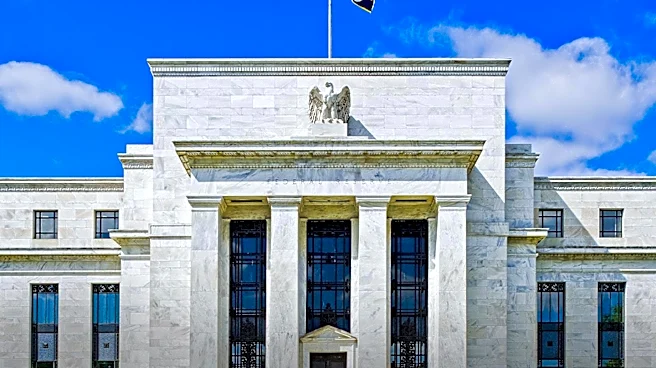
interest rates, driven by inflation and the appointment of Kevin Warsh as Federal Reserve chair, have made dollar investments more attractive but also increased the cost of currency hedging. As a result, pension funds from countries like Canada, the Netherlands, and Denmark are reducing their hedging efforts, easing pressure on the dollar. This trend is mirrored by other real-money investors globally, who are letting hedges expire without replacement. The dollar's correlation with U.S. equities has also shifted, reducing the urgency for foreign investors to hedge.
Why It's Important?
The reduction in FX hedging by global pension funds is significant as it reflects a broader confidence in the U.S. dollar's stability and strength. This move could support the dollar's value, providing a marginal boost to its position in global markets. The decision to reduce hedging is influenced by the high cost of maintaining these positions due to elevated U.S. interest rates. This development suggests that investors are betting on the continued strength of the U.S. economy and the dollar, which could have implications for international trade and investment flows. A stronger dollar can impact U.S. exports by making them more expensive, but it also attracts foreign investment into U.S. assets.
What's Next?
As global pension funds continue to reduce their FX hedges, the U.S. dollar may experience further support, potentially influencing international trade dynamics. Investors will likely monitor the Federal Reserve's monetary policy closely, as any changes could affect interest rates and, consequently, the cost of hedging. The ongoing strength of the U.S. dollar may encourage more foreign investment in U.S. equities, but it could also pose challenges for U.S. exporters. Stakeholders will need to navigate these dynamics carefully to optimize their investment strategies and manage risks associated with currency fluctuations.