









What's Happening?
The Southeast Regional Center (SRC) is emphasizing a shift in the focus of the EB-5 Immigrant Investor Program towards manufacturing, as the U.S. experiences a resurgence in domestic production. The EB-5 program, established by Congress in 1990, allows
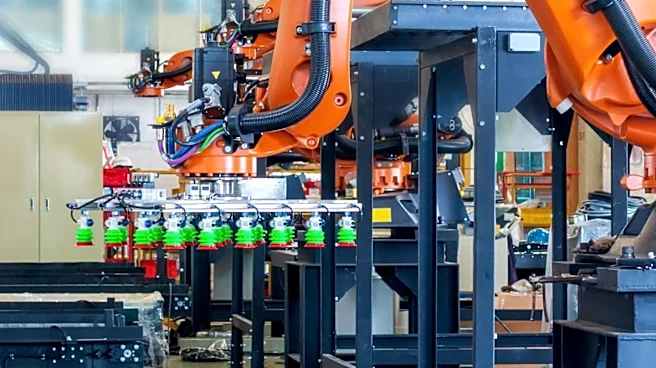
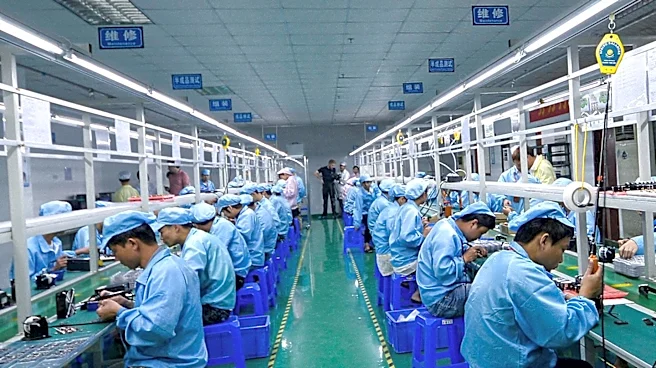
foreign nationals to gain permanent residency by investing in U.S. enterprises that create at least 10 full-time jobs. Historically, the program has been heavily associated with commercial real estate projects. However, SRC leaders argue that the current economic climate, characterized by a significant reshoring of manufacturing jobs and increased construction spending in the sector, aligns well with the objectives of the EB-5 program. SRC's Chief Financial Officer, Michael Bowen, notes that the program's federally regulated nature makes it a suitable source of capital for projects that are in line with national economic priorities, such as automotive production and critical minerals.
Why It's Important?
This shift in focus for the EB-5 program is significant as it reflects broader economic trends in the U.S., where there is a renewed emphasis on strengthening domestic manufacturing capabilities. By directing EB-5 investments towards manufacturing, the program can support the creation of sustainable jobs and contribute to the resilience of supply chains. This realignment could also attract more foreign investors who are interested in participating in the U.S. manufacturing sector, potentially leading to increased economic growth and job creation. The move could redefine success in the EB-5 program from large-scale real estate developments to projects that have a lasting impact on the U.S. economy.
What's Next?
As the U.S. continues to prioritize manufacturing, the EB-5 program may see increased interest from investors looking to capitalize on this trend. SRC is already financing projects like a Tier 1 supplier for Hyundai, illustrating the potential for EB-5 investments in manufacturing. Additionally, changes to the EB-5 program, such as inflation-adjusted investment thresholds, may prompt investors to act quickly to take advantage of current conditions. The program's future could see a more diversified portfolio of investments, with a stronger focus on industries that are critical to national interests.