





What's Happening?
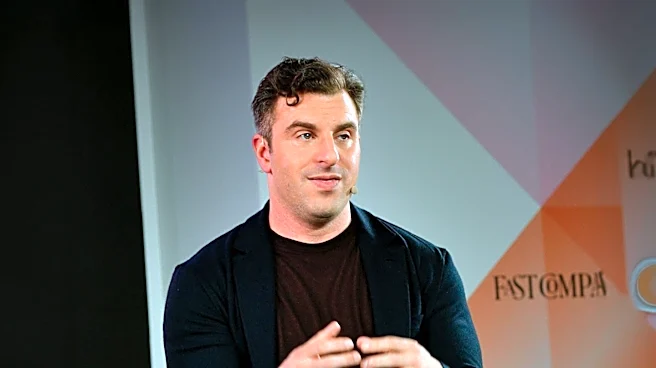
Edison Chen, Vice President of Trip.com Group, has observed a significant shift in traveler behavior, noting that individuals are increasingly prioritizing personal experiences and events over traditional destination-focused trips. According to Chen, travelers
are now designing their itineraries around specific interests, such as concerts or sporting events, which have become primary motivators for travel rather than mere additions to a trip. This trend, referred to as 'event-led travel' and 'free independent travel (FIT),' emphasizes greater control and personalization in trip planning. Trip.com Group is responding to this change by investing in entertainment and sporting partnerships, offering packaged deals that combine tickets with accommodation and other travel components. Chen highlighted that older travelers, with their greater flexibility and spending power, represent a key demographic for this evolving travel market, particularly for off-peak periods.
Why It's Important?
This shift in traveler preferences holds significant implications for the U.S. travel and tourism industry. Businesses that adapt to this experience-driven model stand to gain a competitive advantage, while those that remain focused solely on traditional destination marketing may struggle. The emphasis on events like concerts and sports means that cities and venues capable of hosting such attractions could see increased tourism revenue. Furthermore, the rise of 'free independent travel' suggests a growing demand for flexible and customizable travel options, pushing travel providers to offer more personalized services and itineraries. This trend also creates opportunities for technology companies, as AI-powered tools for travel recommendations and planning become more crucial. The focus on older travelers with higher spending power could lead to a re-evaluation of marketing strategies to better cater to this demographic, potentially boosting local economies outside of peak seasons.
What's Next?
In response to these evolving traveler expectations, Trip.com Group is expanding its AI capabilities with tools like TripGenie, which offers travel recommendations and planning assistance, and Trip.Planner, designed to help users organize flights, accommodation, transport, restaurants, and attractions into a cohesive itinerary. These technological advancements aim to provide greater flexibility and personalization for travelers. The company also plans to continue fostering collaborations with destination partners to understand their strategic positioning and connect travelers with suitable experiences. This collaborative approach is expected to help destinations attract travelers by highlighting unique offerings. The ongoing innovation in the travel industry will likely see more businesses adopting similar strategies, focusing on understanding traveler behavior and leveraging technology to create distinctive and personalized travel experiences.
Beyond the Headlines
The move towards experience-driven travel reflects a broader cultural shift where consumers increasingly value unique, memorable moments over material possessions. This trend could lead to a redefinition of 'luxury travel,' moving beyond opulent accommodations to exclusive access and bespoke experiences. Ethically, this could raise questions about the environmental impact of increased event-specific travel and the potential for over-tourism in popular event locations. Legally, the packaging of event tickets with travel components might necessitate new regulatory frameworks to ensure consumer protection and fair pricing. Culturally, this trend could foster a greater appreciation for diverse local events and traditions, as travelers seek authentic and immersive experiences. In the long term, this evolution could transform how destinations market themselves, moving from showcasing natural beauty or historical sites to highlighting unique cultural, entertainment, and sporting events.