


What's Happening?
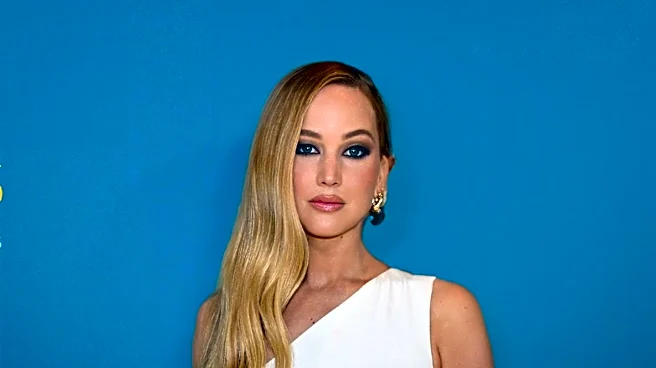
Several prominent Hollywood actresses, including Jennifer Lawrence, Florence Pugh, Kate Beckinsale, Viola Davis, and Kate Winslet, have publicly shared their experiences of being pressured to lose weight early in their careers. These accounts highlight
a long-standing issue within the entertainment industry where appearance is often scrutinized, sometimes more than talent. Jennifer Lawrence, known for her role as Katniss Everdeen, recalled a particularly humiliating experience where she was compared to other women regarding her weight. Florence Pugh faced similar demands for significant changes to her appearance after moving to Los Angeles for a television project, which led her to question her career path before returning to independent filmmaking. Kate Beckinsale recounted director Michael Bay asking her to work out for a role where physical conditioning was not central to her character. Viola Davis experienced criticism about her weight during her training at Juilliard, and Kate Winslet faced years of scrutiny and unhealthy eating behaviors due to industry expectations. These stories collectively underscore the persistent challenges actresses face regarding body image in Hollywood.
Why It's Important?
The experiences shared by these actresses are important because they shed light on the systemic pressures within the entertainment industry that can negatively impact individuals' mental and physical health. The emphasis on unrealistic body standards not only affects the actresses themselves but also perpetuates harmful ideals for audiences, particularly young women. When successful and acclaimed actresses like Jennifer Lawrence and Viola Davis speak out, it validates the struggles of many others in the industry and beyond. This ongoing conversation can drive a shift towards more inclusive and realistic representations of body types in media, potentially fostering a healthier environment for performers and viewers alike. It also highlights the power dynamics at play, where individuals in positions of authority can impose damaging expectations, and the importance of challenging these norms to promote self-acceptance and diversity.
What's Next?
The continued public discourse initiated by these actresses may lead to increased awareness and potentially more proactive measures within Hollywood to address body shaming and unrealistic appearance expectations. Industry organizations, casting directors, and production companies might face growing pressure to adopt more inclusive practices and prioritize talent over arbitrary physical standards. This could manifest in revised casting guidelines, greater support for actors' well-being, and a broader push for diverse body representations in film and television. Furthermore, these discussions could empower emerging talent to resist such pressures and advocate for healthier working environments. The ongoing dialogue is likely to encourage more individuals to share their stories, further amplifying the call for change and fostering a more equitable and body-positive entertainment landscape.
Beyond the Headlines
Beyond the immediate impact on individual careers, the revelations from these actresses touch upon deeper societal issues concerning body image, gender equality, and the objectification of women. The entertainment industry, as a powerful cultural influencer, plays a significant role in shaping public perceptions of beauty and success. When actresses are pressured to conform to narrow physical ideals, it reinforces the notion that a woman's worth is tied to her appearance, rather than her skills or intellect. This can have far-reaching consequences, contributing to body dissatisfaction, eating disorders, and low self-esteem among the general population. The ongoing struggle for actresses to be valued for their craft rather than their physique reflects a broader societal challenge to dismantle patriarchal standards and promote genuine diversity and inclusion across all sectors.