


What's Happening?
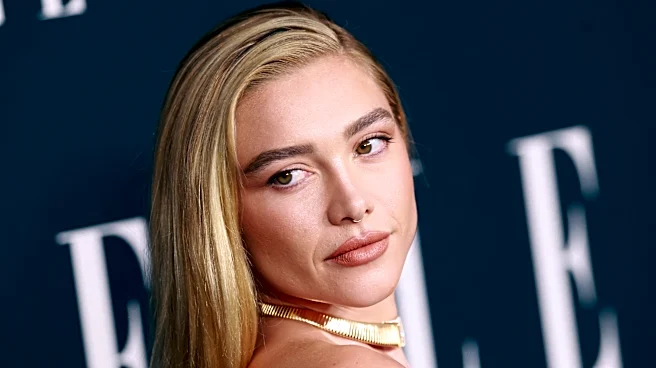
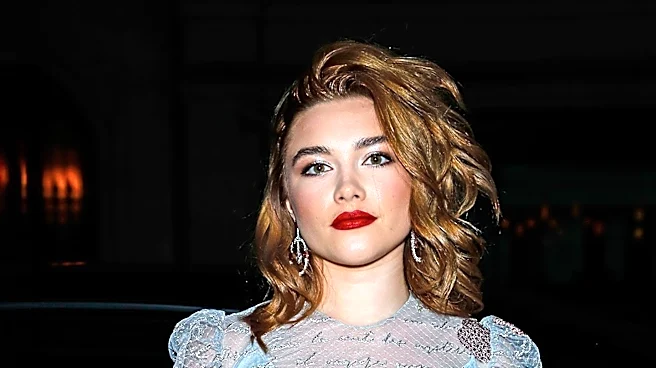
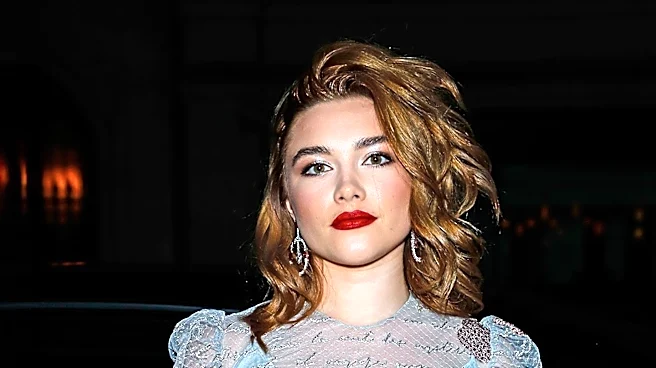
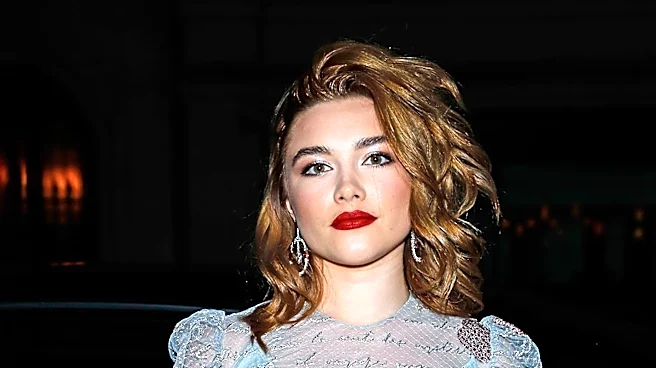
Actress Florence Pugh has responded to online speculation concerning changes to her facial appearance, specifically her cheeks and jawline. A video posted by Evie magazine highlighted her look from a recent appearance, suggesting that she might have undergone
plastic surgery. The video's narrator commented that Pugh "used to have full, beautiful cheeks that made her face super recognizable" and noted a more defined chin and jawline, leading to questions about cosmetic procedures. In response, Pugh commented on the Instagram video, clarifying that the changes are due to natural aging. She stated, "Guys. I turned 30. I’m a woman. Body’s and faces change." She further expressed concern that people are unable to distinguish between natural aging and surgical alterations, adding, "It’s not that deep, the fact that people can’t even tell between what’s aging and what’s surgery is disturbing." Pugh concluded her statement with, "Sadly puppy fluff doesn’t last forever."
Why It's Important?
This incident highlights the increasing scrutiny public figures, particularly women, face regarding their appearance and the pervasive nature of plastic surgery speculation in the digital age. Pugh's direct response challenges the often-unrealistic beauty standards perpetuated online and underscores the pressure on individuals to maintain a youthful or altered aesthetic. Her comments bring attention to the natural process of aging and the societal difficulty in accepting these changes, especially for those in the public eye. The situation also reflects a broader cultural conversation about body image, authenticity, and the impact of social media on self-perception. For the entertainment industry, it emphasizes the constant public evaluation of actors' appearances, which can influence careers and personal well-being. Pugh's stance advocates for a more realistic understanding of human physiology and pushes back against the narrative that any change in appearance must be surgically induced.
What's Next?
The actress's statement is likely to fuel further discussion on social media platforms regarding celebrity appearances and the ethics of public commentary on personal changes. It may encourage other public figures to address similar speculations directly or indirectly. This event could also prompt media outlets and online communities to re-evaluate how they discuss and portray aging and cosmetic procedures among celebrities. While Pugh has clarified her position, the underlying societal pressures and online scrutiny are expected to persist. The conversation may shift towards greater awareness of ageism and the unrealistic expectations placed on women in the entertainment industry, potentially leading to more open dialogues about natural aging versus cosmetic interventions.
Beyond the Headlines
Beyond the immediate news, Pugh's remarks touch upon deeper societal issues related to aging, gender, and the digital gaze. The expectation for women, particularly in Hollywood, to defy aging often leads to a culture of secrecy around cosmetic procedures or, conversely, intense public dissection of natural changes. Pugh's candidness challenges this norm, advocating for a more accepting view of the aging process. This incident also raises questions about media literacy and critical thinking in the age of viral content, where speculation can quickly overshadow facts. It underscores the ethical responsibility of media platforms and individuals to consider the impact of their commentary on others' well-being. Ultimately, Pugh's response contributes to a growing movement among public figures to reclaim narratives about their bodies and personal choices, fostering a more authentic and less judgmental public discourse.