



What's Happening?
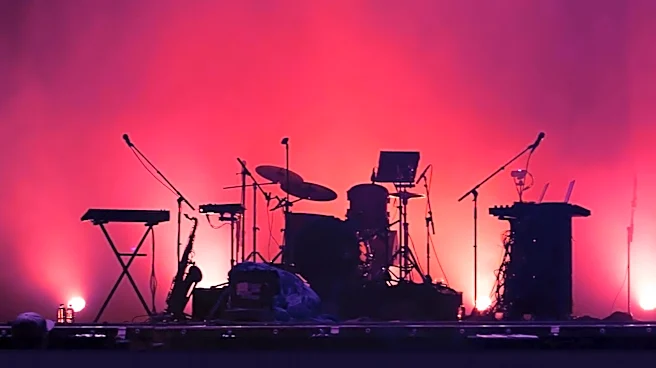
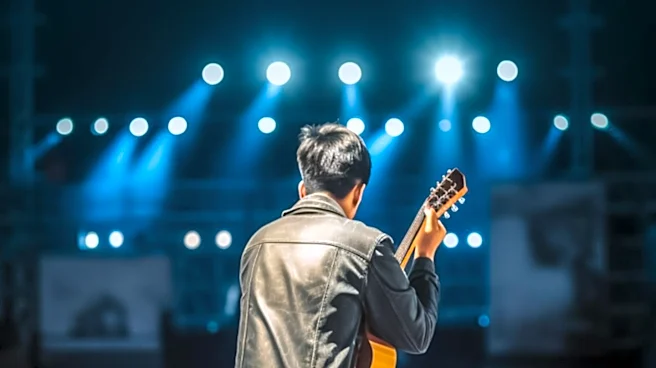
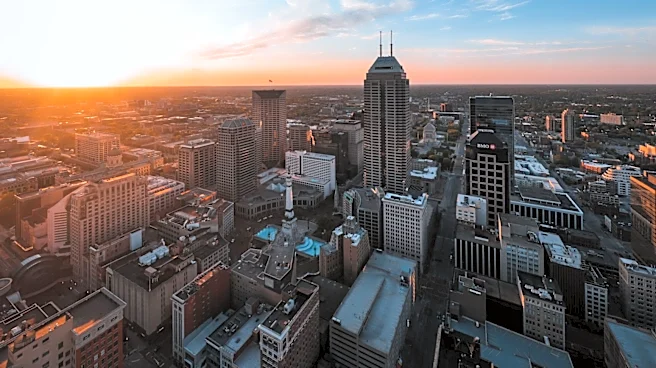
Billy Strings, a renowned bluegrass musician, wore a helmet during his performance at the Fishers Event Center in Indiana after being struck in the head by an object thrown by an audience member. The incident occurred on the first night of his three-night
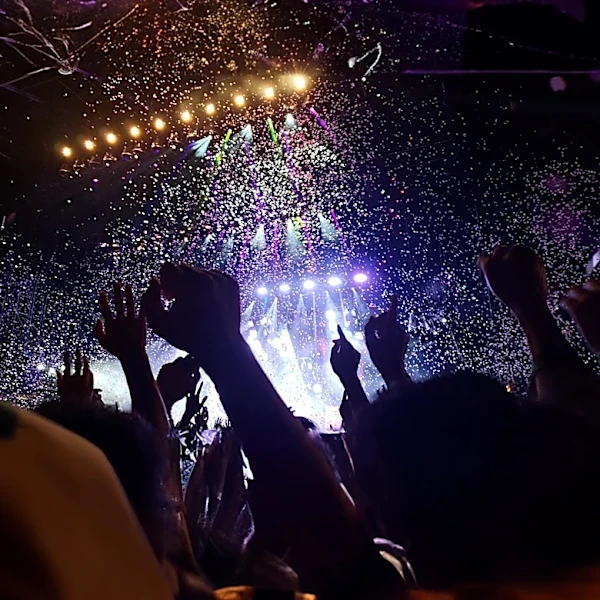
stand at the venue. Strings donned a helmet from the local minor league hockey team, the Indy Fuel, as a humorous response to the previous night's event. Despite the light-hearted approach, Strings expressed his frustration over the incident, questioning the audience's behavior and expressing his disappointment. The crowd reacted negatively to the object being thrown, showing support for Strings. The musician is currently on tour, with performances scheduled across various U.S. cities through December.
Why It's Important?
This incident highlights ongoing concerns about audience behavior at live events, which can pose safety risks to performers. Such occurrences can impact the relationship between artists and their fans, potentially leading to increased security measures at concerts. For Billy Strings, the incident underscores the challenges artists face in maintaining a safe and enjoyable environment during live performances. The broader music industry may need to address these issues to ensure the safety of performers and enhance the concert experience for audiences. This event also reflects the pressures artists face in managing unexpected disruptions while maintaining their professional commitments.
What's Next?
Billy Strings will continue his tour, with upcoming performances scheduled in cities such as Denver, Los Angeles, and New Orleans. It remains to be seen if additional security measures will be implemented at his concerts to prevent similar incidents. The music industry may also consider broader discussions on enhancing safety protocols at live events. Fans and concert organizers alike will likely be more vigilant in ensuring a safe environment for both performers and attendees. The incident may prompt other artists to share their experiences and advocate for improved safety measures at live events.