







What's Happening?
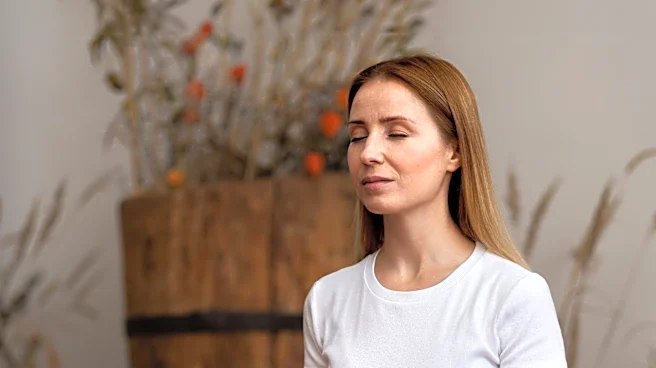
Mindfulness meditation is a practice that cultivates a state of mindfulness, defined as paying attention in a specific way: intentionally, in the present moment, and without judgment. This practice can be integrated into daily life and often involves
focusing on breath or body sensations. Originating from Buddhist meditation over 2,000 years ago, its modern, secular form was introduced by Jon Kabat-Zinn in 1979 with Mindfulness-Based Stress Reduction (MBSR) at the University of Massachusetts Medical School. MBSR removed religious aspects, allowing mindfulness to be studied as a health method and integrated into psychology, medicine, and everyday life. The practice is not about emptying the mind or being a religion, but rather about noticing when attention wanders and gently bringing it back to the present. It is considered a learnable skill with tangible effects, including stress reduction and improved well-being.
Why It's Important?
The widespread adoption of mindfulness meditation in hospitals, schools, and workplaces underscores its growing importance in addressing modern societal challenges like stress, anxiety, and fatigue. Research, particularly from the U.S. National Center for Complementary and Integrative Health, indicates that mindfulness-based programs are effective in managing these conditions, sometimes as effectively as established therapies. This has significant implications for public health, potentially offering a low-cost, accessible method for individuals to improve their mental and emotional well-being. For industries, incorporating mindfulness can lead to reduced employee stress and improved focus, contributing to a more productive workforce. The practice's emphasis on non-judgmental awareness and present-moment focus can also foster greater emotional regulation and resilience, benefiting individuals across various aspects of life.
What's Next?
As the benefits of mindfulness meditation continue to be validated by scientific research, its integration into mainstream healthcare and educational systems is likely to expand. We can anticipate further development of accessible mindfulness programs and resources, including digital applications, to cater to a broader audience. There may also be increased emphasis on training healthcare professionals and educators in mindfulness techniques to better support patients and students. The ongoing research into the neurological and psychological impacts of mindfulness will likely refine existing practices and uncover new applications. Furthermore, as more individuals adopt mindfulness, there could be a cultural shift towards greater self-awareness and emotional intelligence, influencing interpersonal relationships and societal interactions.
Beyond the Headlines
Beyond its immediate benefits for stress and anxiety, mindfulness meditation fosters a deeper connection to one's inner experience and the present moment. This practice encourages individuals to observe thoughts and feelings without attachment, promoting a sense of inner peace and contentment. Ethically, mindfulness cultivates compassion and empathy by encouraging a non-judgmental stance towards oneself and others. Culturally, the secularization of mindfulness has allowed it to transcend its spiritual origins and become a universally applicable tool for personal growth and well-being. The long-term shift could involve a society that is more attuned to its collective mental health, with individuals better equipped to navigate the complexities of modern life with greater calm and clarity. This could lead to a more mindful approach to decision-making in various sectors, from personal choices to public policy.