




What's Happening?
Luxury hotels and airlines are increasingly adopting strategies to attract affluent travelers by offering high-end branded merchandise and integrating advanced sleep technology. Branded hotel merchandise, such as co-branded luggage, polo shirts, and dishware,
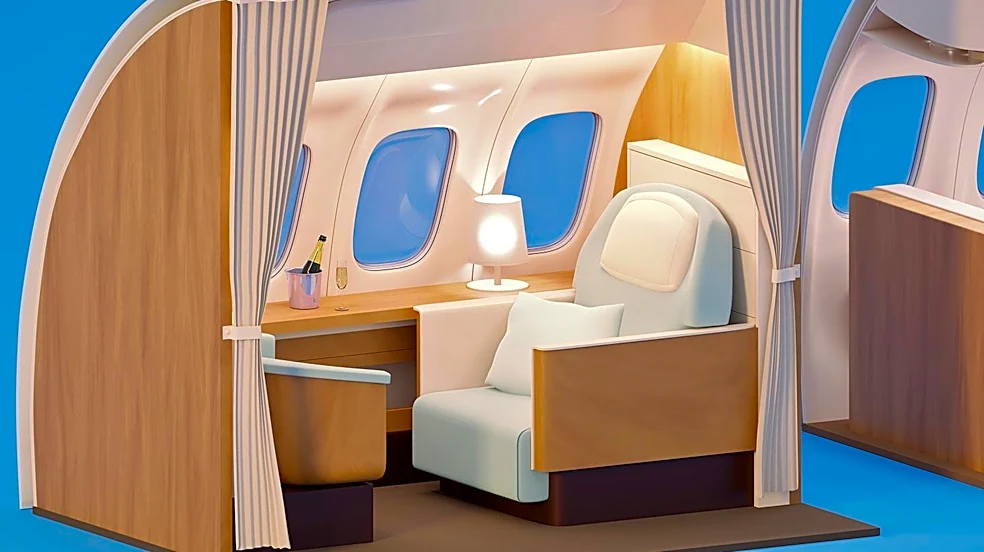
is becoming a status symbol, allowing guests to signal access to exclusive spaces and relive their stay. Examples include Hotel Byblos in Saint-Tropez launching a boutique with co-branded items and The Ritz-Carlton partnering with makeup brand Merit for travel kits at select North American hotels, including its Toronto property. In addition to merchandise, the hospitality sector is focusing on improving guest sleep. Hotels are introducing new technologies to combat the 'first night effect,' where guests struggle to sleep in unfamiliar environments. The Sofitel Paris Arc de Triomphe, for instance, has installed AI-powered mattresses in some suites that adjust firmness and temperature in response to snoring. Similarly, airlines are also addressing sleep, with Fiji Airways offering red-light therapy and in-flight devices to business-class passengers on select long-haul routes.
Why It's Important?
This trend signifies a shift in the luxury hospitality and travel industries towards creating more immersive and personalized guest experiences beyond traditional services. For hotels, offering branded merchandise fosters loyalty and provides a tangible connection for guests to their stay, transforming a simple souvenir into a status symbol. This approach helps differentiate brands in a competitive market and can generate additional revenue streams. The integration of sleep technology addresses a critical aspect of guest comfort and well-being, directly impacting satisfaction and repeat business. By focusing on elements like sleep quality, hotels and airlines are responding to a growing consumer demand for holistic wellness and personalized care. This also allows brands to leverage partnerships with other high-end companies, expanding their reach and enhancing their perceived value. The emphasis on unique, high-quality offerings helps these businesses maintain their premium positioning and cater to the evolving expectations of affluent travelers who seek exclusivity and enhanced comfort.
What's Next?
The luxury hospitality sector is expected to continue expanding its offerings in branded merchandise and advanced wellness technologies. Hotels and airlines will likely explore more sophisticated partnerships with lifestyle and technology brands to provide unique and memorable experiences. This could include further advancements in AI-driven personalized comfort systems, more extensive wellness programs, and exclusive co-branded product lines. The focus will remain on creating a seamless and integrated luxury experience that extends beyond the physical stay, fostering deeper emotional connections and brand loyalty. As travelers become more discerning, the industry will need to continuously innovate to meet evolving expectations for exclusivity, comfort, and personalized well-being. This may also lead to increased competition in developing unique offerings, pushing the boundaries of what constitutes a luxury travel experience.
Beyond the Headlines
The rise of branded merchandise as a status symbol in luxury hospitality reflects a broader cultural trend where consumers seek to align themselves with aspirational brands and experiences. Owning a piece of hotel merchandise allows individuals to project an image of having accessed exclusive spaces, blurring the lines between personal identity and brand affiliation. This phenomenon taps into psychological aspects of consumer behavior, where possessions become extensions of self and indicators of social standing. Furthermore, the emphasis on sleep technology highlights a growing societal awareness and prioritization of well-being, even during travel. It underscores a shift from mere comfort to a more scientific and data-driven approach to health. This trend could lead to a future where luxury travel is not just about indulgence but also about optimizing personal health and performance, with hotels and airlines becoming integral partners in guests' overall wellness journeys.