


What's Happening?
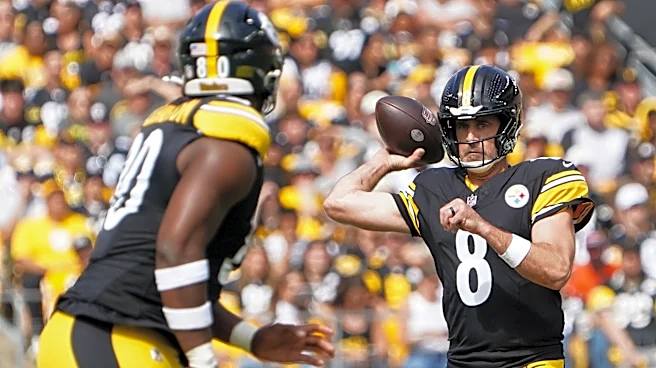
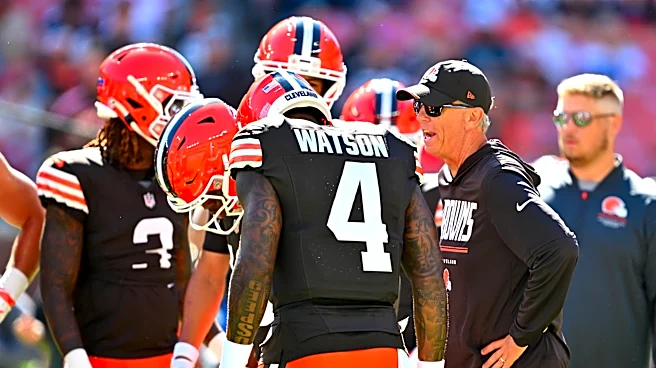
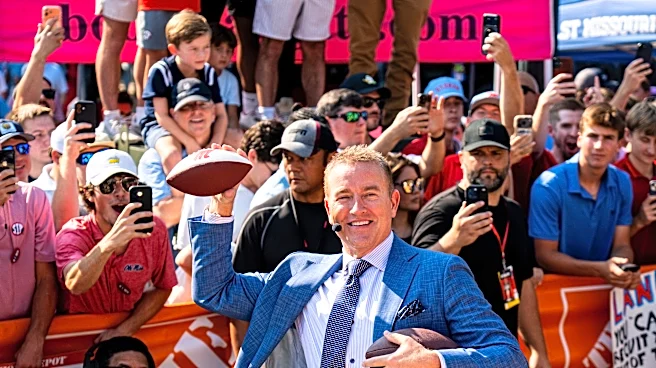
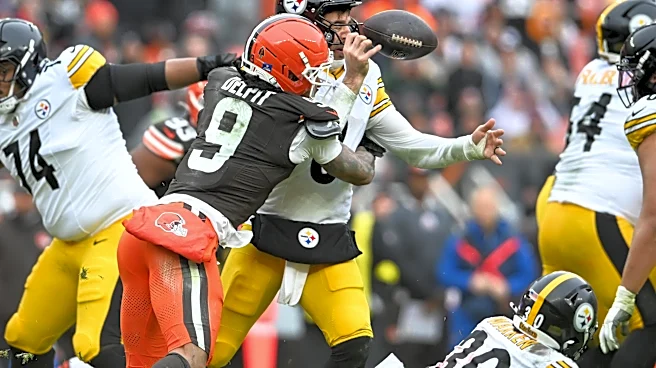
Sports commentator Kirk Herbstreit is facing significant criticism for remarks made during a recent NFL broadcast concerning Cleveland Browns quarterback Deshaun Watson. During the third quarter of the Pittsburgh Steelers versus Cleveland Browns game,
play-by-play broadcaster Al Michaels stated, "We don't have to go through the whole Deshaun Watson thing," referring to the sexual misconduct allegations against Watson from 2021. Following this, Herbstreit commented, "When you convert on 3rd downs, you hit passes, you lead this team to victories, those boos turn into cheers." This exchange has drawn strong negative reactions from NFL fans and social media users who believe Herbstreit and Michaels downplayed or ignored the serious nature of Watson's past. Watson was accused of sexual assault by multiple women, leading to civil lawsuits, though two Texas grand juries declined to indict him on criminal charges. The broadcast, aired on Prime Video, also featured a pre-game interview with Watson where he addressed the skepticism surrounding him, stating, "Fair? Of course, to me, I'm gonna say no. But life isn't fair, and I understand. I can accept my responsibilities and everything that I went through and feel and move forward."
Why It's Important?
This incident highlights the ongoing tension between sports commentary, athlete performance, and public accountability, particularly in cases involving serious off-field conduct. The criticism directed at Herbstreit and Michaels underscores a societal expectation for media figures to acknowledge and address the broader context of an athlete's history, rather than solely focusing on their on-field achievements. For the NFL and its broadcast partners, this situation presents a challenge in navigating public perception and maintaining credibility, especially when dealing with controversial figures. The public's reaction suggests a demand for more comprehensive and sensitive reporting that does not appear to excuse or minimize past actions. This event could influence how sports networks approach similar situations in the future, potentially leading to more cautious or inclusive commentary that acknowledges the full scope of an athlete's public persona, including their legal and ethical challenges. It also reflects a broader cultural shift where audiences expect greater social responsibility from public figures and media outlets.
What's Next?
The immediate aftermath will likely involve continued public discussion and debate on social media and sports talk shows regarding the appropriateness of the commentators' remarks. While no official statements from Prime Video or ESPN (Herbstreit's primary employer) have been reported, the sustained criticism could prompt internal discussions about broadcast guidelines and the handling of sensitive topics. Commentators and networks may face increased pressure to address controversial pasts of athletes more directly and thoughtfully in future broadcasts. This incident could also serve as a case study for media ethics in sports, potentially influencing training or editorial policies for on-air talent. The ongoing performance of Deshaun Watson and any future public statements he makes will also continue to be scrutinized in light of these discussions, keeping the issue of athlete accountability in the public eye.
Beyond the Headlines
The controversy surrounding Kirk Herbstreit's comments delves into the complex relationship between sports, celebrity, and morality. It raises questions about whether athletic success can or should overshadow past transgressions, and the role of media in shaping public perception of such issues. The public's strong reaction indicates a growing intolerance for what is perceived as a 'sweeping under the rug' of serious allegations, even when legal processes have concluded. This reflects a broader cultural shift where audiences expect greater transparency and accountability from public figures and the institutions that promote them. The incident also touches upon the ethical responsibilities of broadcasters, who wield significant influence over public discourse. It highlights the challenge of balancing objective sports analysis with the moral implications of an athlete's personal history, and the potential for commentary to either reinforce or challenge societal norms regarding justice and forgiveness.