



What's Happening?
Health experts, including dietitians and gastroenterologists, are issuing warnings about the significant negative impact of ultra-processed foods on gut health. According to Kristen Nicolai, M.S., R.D., C.D.N., clinical nutrition coordinator at Mount
Sinai Health System, a diet rich in these foods can lead to an imbalance in the gut microbiome, impaired intestinal barrier function, and increased gut permeability. This allows harmful bacteria to enter the bloodstream, triggering inflammation. Pratima Dibba, M.D., a gastroenterologist with Medical Offices of Manhattan, emphasizes that poor gut health has systemic effects, leading to symptoms that impede quality of life and long-term complications. Examples of ultra-processed foods include processed baked goods, meats, sweets, fast food, pre-cooked meals, sodas, juices, and refined grains. Sugary drinks are particularly highlighted as problematic due to their promotion of harmful gut bacteria over beneficial ones.
Why It's Important?
This information is crucial for public health in the U.S. as ultra-processed foods constitute a significant portion of the average American diet. The systemic effects of poor gut health, including links to type 2 diabetes, obesity, non-alcoholic liver disease, cardiometabolic diseases, cancer, arthritis, depression, sleep disorders, and hypertension, underscore the broad public health implications. By identifying a primary dietary culprit, experts are providing actionable insights for individuals to improve their health and for policymakers to consider public health campaigns or regulations regarding food processing and labeling. The emphasis on whole, minimally processed, fiber-rich, and fermented foods as alternatives offers a clear path toward better health outcomes, potentially reducing the burden of chronic diseases and improving overall quality of life across the population.
What's Next?
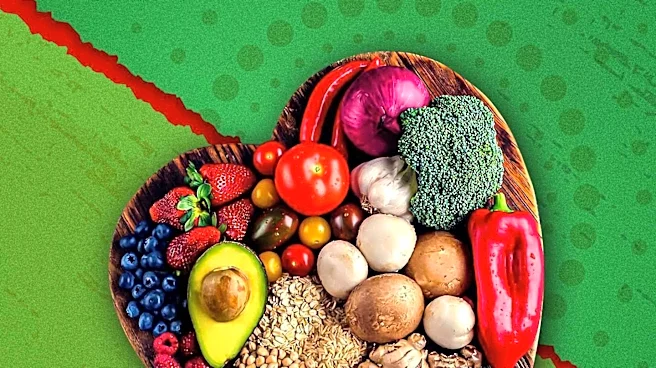
To mitigate the negative effects of ultra-processed foods, experts recommend a dietary shift towards whole and minimally processed, fiber-rich, and fermented foods. Kristen Nicolai suggests that fiber improves microbial diversity and increases short-chain fatty acid production, strengthening the gut lining and reducing inflammation. Abby Langer, R.D., dietitian at Abby Langer Nutrition, notes that gut bacteria thrive on fiber, specifically mentioning inulin fiber found in chicory root, garlic, onions, leeks, Jerusalem artichokes, and asparagus. Individuals are advised to gradually incorporate more fruits, vegetables, and fermented foods into their diet. While occasional consumption of ultra-processed foods is unlikely to cause issues, a diet predominantly composed of them, especially those high in sugars and low in fiber, is problematic. This suggests a continued focus on dietary education and promoting healthier eating habits will be key.
Beyond the Headlines
The discussion around ultra-processed foods and gut health extends beyond individual dietary choices to broader societal and economic implications. The prevalence of these foods is often linked to convenience, affordability, and aggressive marketing, particularly in lower-income communities. Addressing this issue effectively may require systemic changes, including food policy reforms, incentives for healthier food production, and educational initiatives to empower consumers. The long-term health consequences of a diet heavy in ultra-processed foods place a significant burden on the healthcare system, highlighting the economic cost of poor nutrition. Furthermore, the impact on the gut microbiome, a complex ecosystem, suggests that dietary changes could have profound and lasting effects on human biology, potentially influencing everything from mood and cognitive function to immune response, underscoring the intricate connection between diet, health, and environment.