






What's Happening?
CNET has published an article showcasing several common kitchen staples that can be repurposed as effective cleaning agents, offering sustainable and cost-effective alternatives to commercial products. The article, featuring insights from cleaning experts
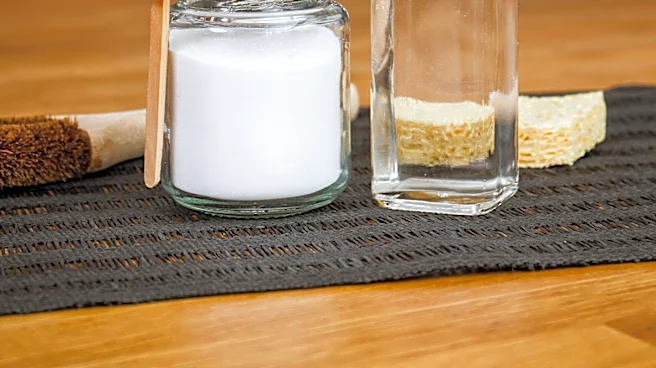
Julian Silva, Sofia Martinez, Raquel Perez, and Sham Zemichael, details how items like olive oil, tomato paste, bread, flour, cream of tartar, potatoes with baking soda, and mayonnaise can tackle various household cleaning tasks. For instance, olive oil can polish stainless steel appliances, tomato paste can clean metal pans, and bread is effective for picking up broken glass shards. Flour can scour stainless steel sinks, cream of tartar buffs scratches on ceramics, potatoes with baking soda remove rust from cast iron, and mayonnaise can treat water ring stains on wood. The experts emphasize that while these foods can clean, they do not disinfect, and proper application is key.
Why It's Important?
This information is important for U.S. consumers seeking more sustainable and budget-friendly cleaning options, especially in an era of increased environmental awareness and economic consciousness. By utilizing readily available pantry items, individuals can reduce their reliance on single-use plastic bottles and harsh chemical cleaners, contributing to a healthier home environment and less waste. This trend aligns with a broader movement towards DIY solutions and mindful consumption. For industries, it highlights a potential shift in consumer behavior that could impact the demand for conventional cleaning products, encouraging manufacturers to explore more eco-friendly and multi-purpose offerings. The article empowers consumers with practical knowledge, fostering a sense of resourcefulness and challenging the notion that specialized products are always necessary for effective cleaning.
What's Next?
The growing interest in natural and homemade cleaning solutions suggests a continued shift in consumer preferences. This could lead to an increased demand for educational content and workshops on sustainable living practices. Retailers might see a rise in sales of basic pantry ingredients for non-culinary uses, and potentially a decline in certain specialized cleaning product categories. Manufacturers of cleaning products may respond by developing more concentrated, refillable, or plant-based alternatives to cater to this evolving market. Furthermore, the emphasis on distinguishing between cleaning and disinfecting could prompt greater public education on hygiene practices, ensuring that consumers understand the limitations of natural cleaners for germ eradication. The article encourages experimentation and careful application, suggesting that consumers will continue to seek innovative ways to manage their households efficiently and responsibly.
Beyond the Headlines
The use of food items for cleaning touches upon deeper cultural and historical practices, harkening back to times when household products were often derived from natural sources. This resurgence reflects a desire for simplicity and transparency in product ingredients, contrasting with the complex chemical formulations of many modern cleaners. Ethically, it raises questions about food waste, encouraging consumers to utilize items that might otherwise go unused or expire. Legally, while these methods are generally safe, the article's caution about proper application and the distinction between cleaning and disinfecting is crucial to prevent misuse or false expectations. Culturally, it promotes a sense of self-sufficiency and a deeper connection to the resources within one's home. This trend could also influence product design, with a greater emphasis on multi-functional items and packaging that supports reuse and reduced environmental impact.