




What's Happening?
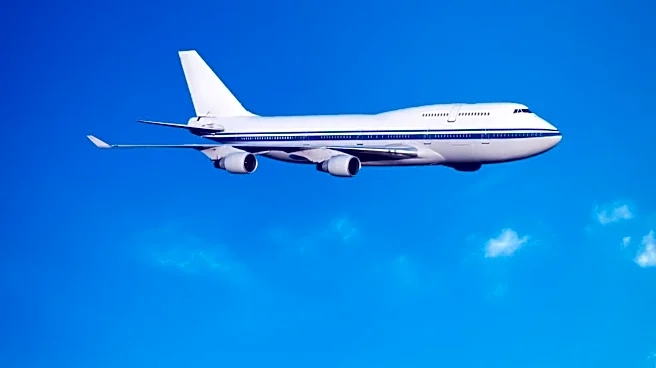
In the 1970s, Air Canada introduced a unique feature on its Boeing 747s: dancefloors on the upper deck for transatlantic flights. This innovation allowed passengers to enjoy a nightclub-like experience while flying, complete with mirrored walls and space
to dance. However, the concept was short-lived, lasting only about a year. The decision to remove the dancefloors was driven by economic considerations, as airlines realized that maximizing passenger seating was more profitable. The 1970s also saw rising fuel prices, prompting airlines to focus on efficiency and cost-effectiveness, leading to the end of such extravagant features.
Why It's Important?
The story of Air Canada's dancefloors reflects broader trends in the aviation industry, where economic pressures and the need for efficiency often outweigh passenger experience enhancements. This shift has led to the current state of air travel, where maximizing capacity and minimizing costs are prioritized. The historical context of this decision highlights the ongoing balance airlines must strike between offering unique experiences and maintaining financial viability. It also serves as a nostalgic reminder of a time when air travel was seen as a glamorous adventure.