
What's Happening?
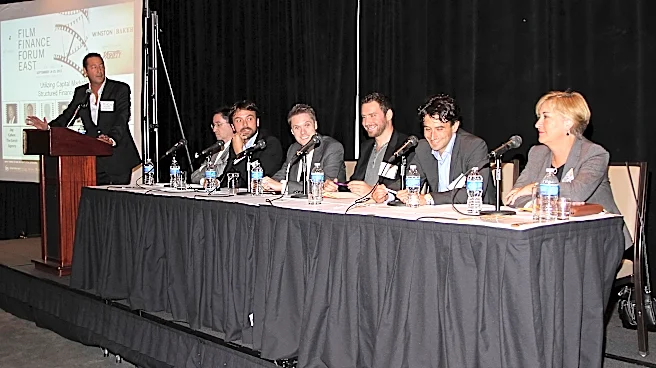
Award-winning author Olivia Laing recently discussed her new novel, 'The Silver Book,' at The Center For Fiction. She was joined in conversation by acclaimed novelist Rachel Kushner. The discussion centered
on Laing's historical fiction work, which explores themes of art, queer love, and illusion, set against the backdrop of 1970s Italian cinema. Laing, known for her nonfiction and engagement with art and culture, brings her signature insight and lyricism to this novel, blending truth and imagination. Kushner, whose works also delve into artists facing political and personal upheaval, shared her fascination with the intersection of art, power, and desire. The conversation touched upon the materiality of creation, the detailed descriptions of culinary arts within the novel, and the extensive research Laing undertook to bring the enigmatic character of Donati to life, piecing together details from various obscure sources and visual media. The authors also explored the peripheral portrayal of Pasolini in the novel, viewed through the eyes of other characters rather than as a central figure.
Why It's Important?
This literary event highlights the ongoing dialogue within contemporary fiction about the role of art in society, the complexities of historical narrative, and the exploration of identity. The discussion between Laing and Kushner, two prominent voices in literature, offers insights into their creative processes and thematic concerns, which often resonate with broader cultural and social issues. For readers and aspiring writers, such conversations provide valuable perspectives on crafting compelling narratives that intertwine personal stories with historical contexts. The focus on 'The Silver Book' and its themes of art, love, and illusion contributes to the literary landscape by offering a nuanced portrayal of a specific historical period and its artistic movements. Furthermore, the event at The Center For Fiction underscores the importance of literary institutions in fostering intellectual exchange and promoting engagement with significant works of fiction, enriching the cultural life of the community.
What's Next?
Following this discussion, 'The Silver Book' is likely to continue to garner attention from literary critics and readers, potentially leading to further reviews, discussions, and appearances by Olivia Laing. The insights shared during the conversation with Rachel Kushner may influence how readers interpret the novel's themes and characters, particularly regarding the interplay of art and reality, and the meticulous research involved in historical fiction. For The Center For Fiction, this event reinforces its role as a key venue for literary discourse, suggesting future programming will continue to feature prominent authors discussing their latest works and broader literary trends. Readers interested in the intersection of art, history, and queer narratives may seek out 'The Silver Book' and other works by Laing and Kushner, contributing to ongoing literary conversations and potentially inspiring new critical analyses of their oeuvres.
Beyond the Headlines
The conversation between Olivia Laing and Rachel Kushner delves into the deeper implications of storytelling, particularly how authors reconstruct historical figures and eras while imbuing them with contemporary relevance. Laing's meticulous research into an enigmatic figure like Donati, piecing together fragments to create a coherent character, highlights the interpretive nature of historical fiction and the author's role in filling archival gaps with imaginative insight. The discussion also touches upon the ethical considerations of portraying historical violence, as Laing deliberately chose to avoid describing Pasolini's murder directly, focusing instead on the events leading up to it and the aftermath. This decision reflects a broader artistic choice to prioritize emotional impact and thematic resonance over explicit depiction of trauma. The authors' shared interest in the 'charged space where art collides with power and desire' suggests a continuous exploration of how personal and political upheavals shape artistic expression, offering a lens through which to understand the enduring power and moral dimensions of art.