


What's Happening?
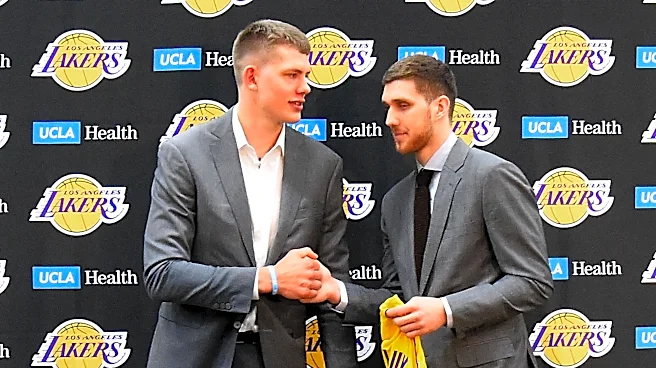
The Los Angeles Lakers have officially named Kalshi as their prediction market sponsor, marking another significant partnership between an NBA franchise and a federally regulated prediction exchange. This agreement follows a trend in 2026 where the NBA and its
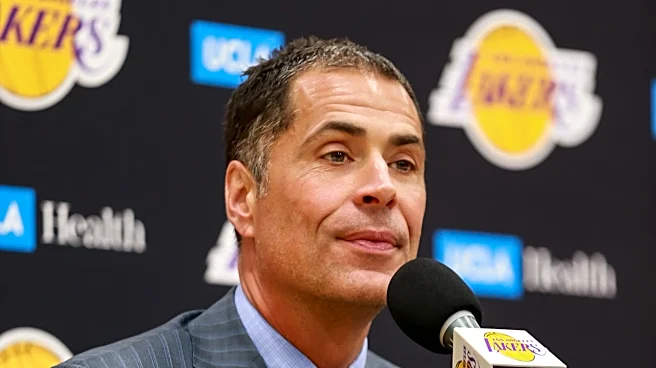
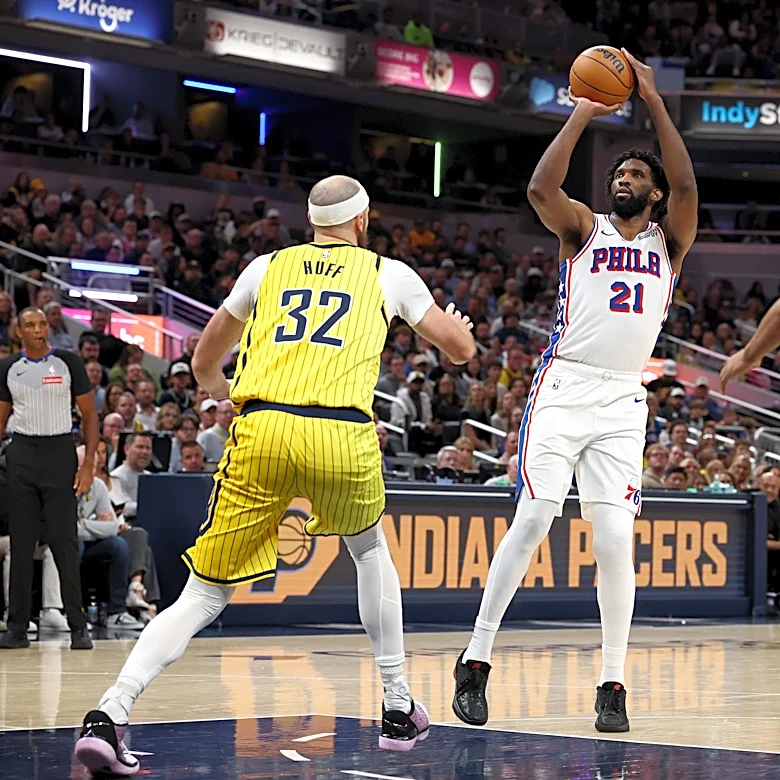
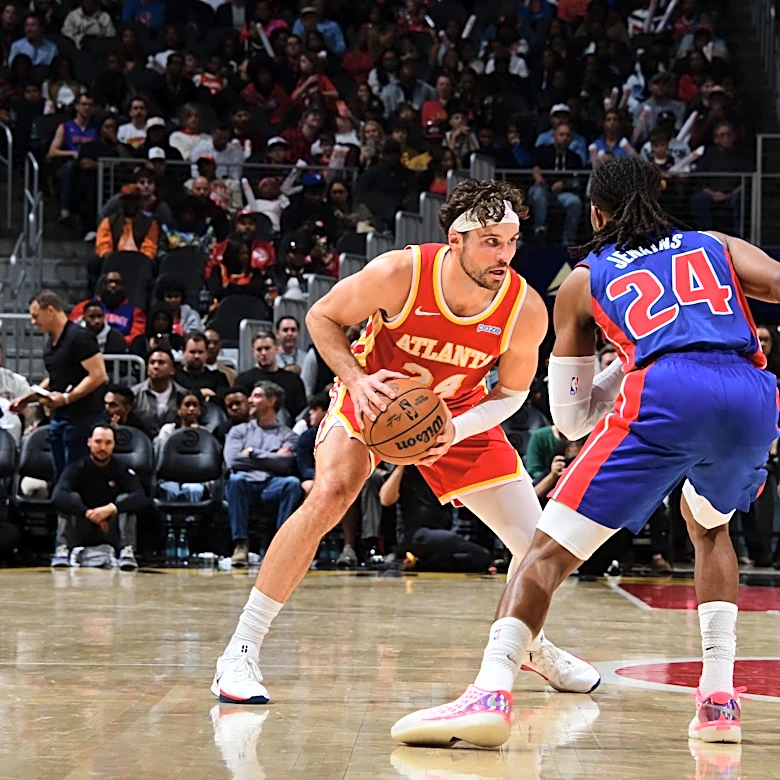
teams have become more open to cross-promotion with prediction exchanges. Lon Rosen, President and Chief Business Officer for the Los Angeles Lakers, expressed enthusiasm for the partnership, stating it will explore innovative ways to engage fans. Adam Barrick, Head of Sports Partnerships at Kalshi, highlighted the importance of expanding Kalshi's presence in the NBA with a franchise like the Lakers. While specific details on broadcast insertions or on-court signage were not released, similar past deals have included various forms of fan engagement promotions. This partnership comes a month after the NBA and Kalshi signed a market integrity deal to enhance monitoring of legal prediction markets based on NBA game outcomes. Other NBA teams, such as the Atlanta Hawks and Philadelphia 76ers, also have ties to prediction or Daily Fantasy Sports platforms.
Why It's Important?
This partnership signifies a growing acceptance and integration of prediction markets within mainstream professional sports in the U.S., particularly within the NBA. For Kalshi, aligning with a globally recognized franchise like the Lakers enhances its brand visibility and legitimacy within the sports betting and prediction market landscape. For the Lakers and the NBA, these partnerships represent new avenues for fan engagement and potential revenue streams, tapping into the increasing interest in sports prediction. The market integrity deal between the NBA and Kalshi also underscores a commitment to maintaining fairness and transparency in these emerging markets, which is crucial for their long-term viability and public trust. The involvement of high-profile NBA players as investors or marketing partners in prediction exchanges, albeit with restrictions on promoting basketball markets, further illustrates the intertwining of professional sports and the prediction market industry. This trend could influence other sports leagues to reconsider their stance on such partnerships.
What's Next?
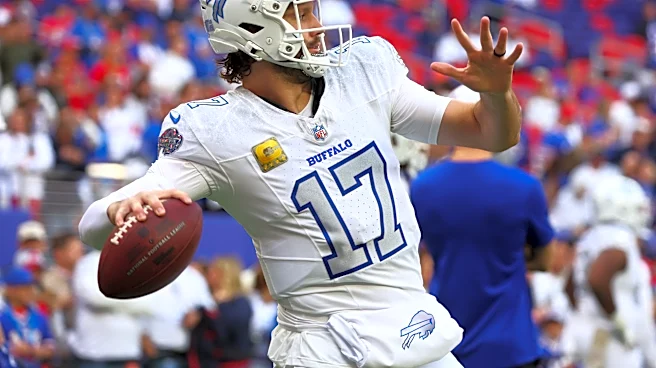
The partnership between the Los Angeles Lakers and Kalshi is expected to lead to new fan engagement initiatives, though specific details are yet to be announced. These could include interactive prediction opportunities for fans related to Lakers games or broader NBA events. The success of this and similar partnerships within the NBA may encourage other teams and potentially other sports leagues, beyond the NFL, to explore similar collaborations. The NFL remains a holdout among the 'big four' U.S. sports leagues, strictly prohibiting its players from involvement with prediction apps and expressing concerns about the CFTC's regulatory capacity for sports contracts. Future developments will likely involve continued discussions and potential shifts in policy from the NFL as the landscape of sports prediction markets evolves and gains further traction with other major leagues. The ongoing regulatory environment, particularly concerning the CFTC's role, will also be a key factor in how these partnerships develop.
Beyond the Headlines
The increasing embrace of prediction markets by major sports franchises like the Lakers raises broader questions about the future of fan interaction and the commercialization of sports. This trend blurs the lines between traditional sports viewership and active participation through prediction, potentially altering how fans consume and engage with games. Ethically, the involvement of athletes in these platforms, even with restrictions, could spark debates about potential conflicts of interest or the influence on game integrity, despite market integrity agreements. Legally, the differing regulatory approaches between federal bodies like the CFTC and state-level sports betting commissions, as highlighted by the NFL's concerns, point to an evolving and complex legal framework for prediction markets. Culturally, the normalization of prediction markets within sports could shift societal perceptions of betting and financial speculation, integrating them more deeply into mainstream entertainment and sports culture. This development could also pave the way for more sophisticated and diverse forms of fan engagement that leverage real-time data and predictive analytics.