





What's Happening?
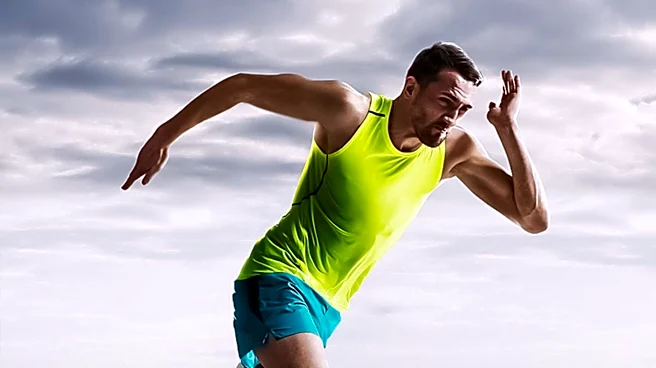
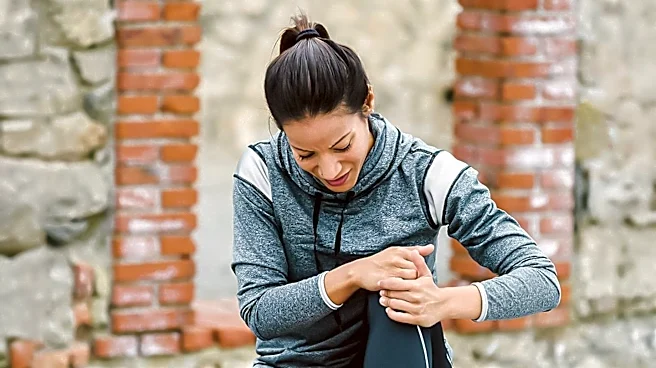
Pain below the kneecap, often referred to as patellar tendinopathy or 'Jumper's Knee,' is a common overuse injury affecting the tendon that connects the kneecap to the shinbone. This condition frequently impacts young athletes, particularly in sports
involving repetitive jumping, running, or sudden changes in activity, such as volleyball and basketball. The pain arises from cumulative microtrauma, where repeated stress causes tiny tears in the connective fibers, leading to a thickened patellar tendon that loses strength and flexibility. Symptoms typically include a dull ache or sharp pain below the kneecap, tenderness, swelling, stiffness, and worsening pain during or after activity. Common triggers include jumping, deep squatting, climbing stairs, and running on hard surfaces.
Why It's Important?
This condition significantly impacts individuals' quality of life and athletic performance, particularly for those engaged in sports or physically demanding activities. Untreated patellar tendinopathy can lead to chronic pain and long-term functional limitations, potentially forcing athletes to withdraw from their sports. Early diagnosis and effective treatment are crucial to prevent the condition from worsening and to facilitate a faster return to activity. The emphasis on conservative approaches like physical therapy, progressive loading exercises, and biomechanical assessments highlights the importance of non-invasive methods in managing such injuries. Understanding the specific triggers and symptoms allows individuals to take proactive steps in prevention and self-management, reducing the burden on healthcare systems and improving overall public health outcomes related to musculoskeletal injuries.
What's Next?
Treatment and recovery strategies for patellar tendinopathy typically involve a structured rehabilitation plan. This includes conservative approaches such as physical therapy focused on strengthening the quadriceps muscles to reduce tendon load, stretching routines to improve flexibility, and biomechanical assessments to correct movement patterns. Managing pain during daily activities involves practical habits like avoiding prolonged sitting with bent knees, using supportive footwear, and applying gentle movement to prevent stiffness. For athletes, recovery follows a phased return to play, starting with reducing inflammation and restoring range of motion, progressing to building foundational strength, and gradually reintroducing sport-specific movements. The timeline for recovery can vary, with mild cases improving within two to three months and more chronic cases taking four to six months, emphasizing the need for patience and consistent adherence to the rehabilitation plan.
Beyond the Headlines
The prevalence of patellar tendinopathy, especially among young athletes, underscores a broader issue in sports and physical activity: the balance between training intensity and injury prevention. This condition highlights the importance of proper training techniques, adequate rest, and early intervention in sports medicine. The focus on personalized care plans and evidence-based treatments reflects a shift towards more holistic and patient-centered healthcare. Furthermore, the discussion about the mechanics of cumulative microtrauma provides insight into how seemingly minor stresses can accumulate over time to cause significant injuries, emphasizing the need for awareness and proactive measures in physical health. The distinction between left and right knee tendinopathy, depending on usage, also points to the individualized nature of musculoskeletal health and the impact of dominant-side activities.