
What's Happening?
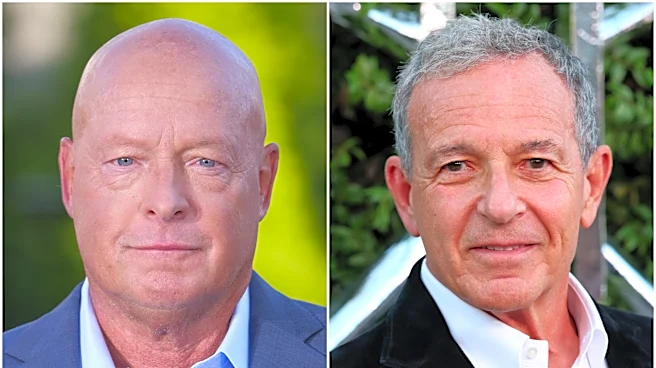
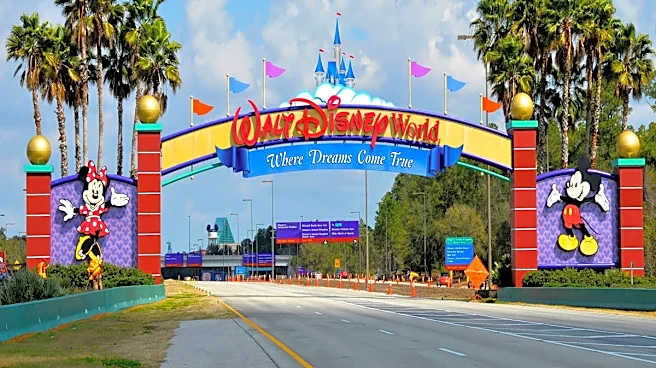
Former Disney CEO Bob Chapek's management decisions, particularly during his tenure overseeing the parks, have led to significant backlash from visitors. Chapek implemented various strategies aimed at maximizing
profit, which included raising prices and introducing numerous upcharges. Examples of these changes include cutting park hours while increasing upcharge events, creating an upcharge bus service that reportedly worsened transportation for regular guests, eliminating 'Magical Express,' and replacing free evening extra magic hours with paid 'After Hours' events. He also introduced premium cabana experiences in Tomorrowland and significantly altered the Fastpass system to a paid model, sometimes making it the only option for popular rides. These decisions were perceived by many as prioritizing short-term financial gains over guest experience and satisfaction, leading to widespread criticism among Disney fans and employees.
Why It's Important?
The management approach taken by Bob Chapek at Disney highlights a critical tension within the entertainment and hospitality industry: balancing profitability with customer satisfaction and brand loyalty. His focus on 'meeting the numbers' through price increases and upcharges, while financially successful in the short term, alienated a significant portion of Disney's dedicated fanbase. This situation underscores how aggressive monetization strategies can backfire, potentially damaging a brand's long-term reputation and customer goodwill. For the broader U.S. entertainment sector, it serves as a case study on the delicate balance between shareholder value and consumer experience. Companies risk losing their core audience if they are perceived as prioritizing profit over the quality and accessibility of their offerings, especially for beloved brands with strong emotional connections to their customers. The repercussions of such decisions can lead to decreased visitor satisfaction and a decline in the perceived value of the experience.
What's Next?
While Bob Chapek is no longer CEO, the impact of his decisions continues to resonate within Disney and the broader theme park industry. Future leadership will likely need to address the lingering sentiment among guests regarding pricing and value. There may be a strategic shift towards re-emphasizing guest experience and restoring perceived value, potentially through adjustments to pricing structures, reintroduction of previously free amenities, or enhanced offerings that justify costs. Other theme parks and entertainment venues in the U.S. may observe Disney's experience as a cautionary tale, potentially influencing their own strategies regarding price adjustments and premium offerings. The industry will likely continue to seek innovative ways to generate revenue without alienating their customer base, possibly exploring subscription models or tiered experiences that offer clear value propositions at different price points.
Beyond the Headlines
The 'revenge travel' concept, though not explicitly named in the context of Chapek's tenure, implicitly describes the sentiment of some visitors seeking satisfaction or retribution for perceived negative experiences. This goes beyond simple dissatisfaction; it taps into a deeper psychological aspect of consumer behavior where individuals feel wronged and seek to reclaim a positive experience or express their disapproval. The ethical implications of prioritizing profit over the foundational 'magic' or experience that a brand like Disney promises are significant. It raises questions about corporate responsibility to its legacy and its loyal customer base, not just its shareholders. This situation could trigger a broader re-evaluation within the entertainment industry regarding the long-term sustainability of aggressive monetization strategies versus fostering enduring customer relationships and brand loyalty. The cultural impact of making iconic experiences less accessible due to cost also warrants consideration, potentially altering the demographic and perception of such destinations.