




What's Happening?
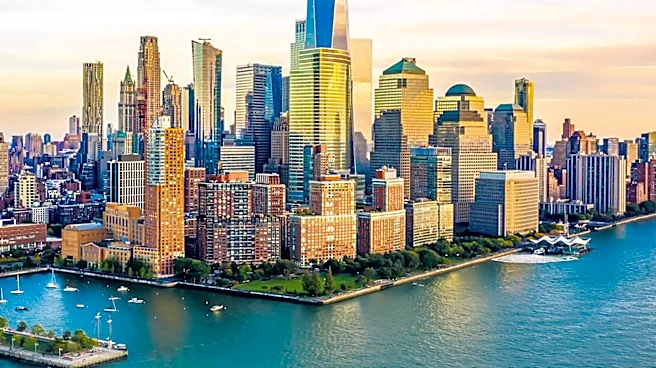
New York City continues to evolve its tourist offerings, introducing new attractions and highlighting free access points across its boroughs. Manhattan now features a new beach on Gansevoort Peninsula, opened in October 2023, equipped with 1,200 tons
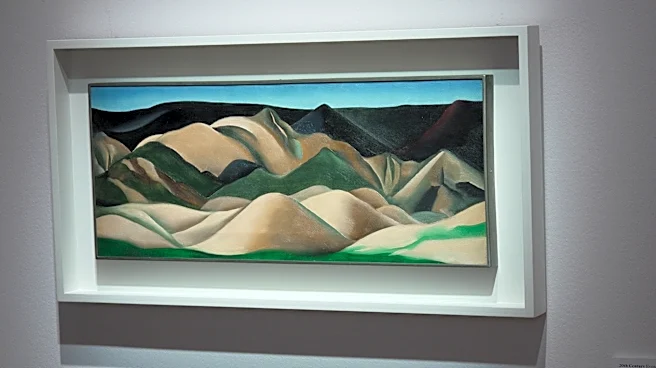
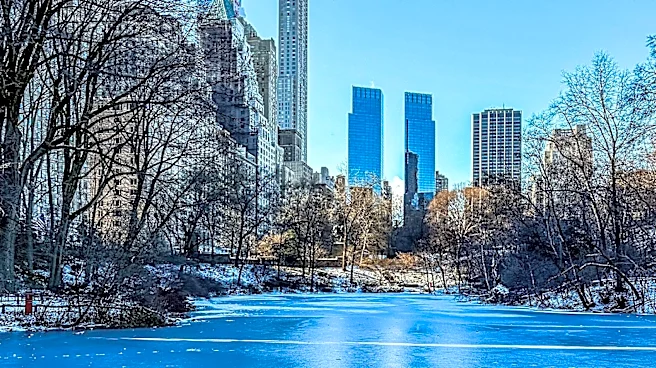
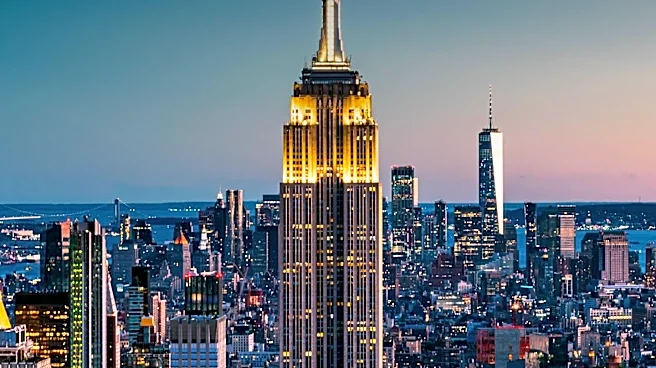
of sand, sun umbrellas, and lounge chairs, though swimming is prohibited. This complements existing free attractions like the High Line, a park built on a disused elevated railway, and Little Island, a park on piers at West 13th Street. Additionally, MoMA PS1 in Queens began offering free admission in January 2026, expanding cultural access. The city also emphasizes cost-free ways to experience its iconic landmarks, such as the Staten Island Ferry, which provides views of the Statue of Liberty and the Manhattan skyline without charge. Other free sites include Central Park, the Brooklyn Bridge pedestrian walkway, Times Square, Grand Central Terminal, and the Rockefeller Center Plaza. These developments aim to enhance the visitor experience while making the city more accessible to a wider range of budgets.
Why It's Important?
These new additions and highlighted free attractions are significant for New York City's tourism industry, a vital component of its economy. By offering diverse and accessible options, the city can attract a broader demographic of visitors, including those on tighter budgets, potentially increasing overall visitor numbers and length of stay. The introduction of unique public spaces like the Gansevoort Peninsula beach and the continued promotion of free cultural sites like MoMA PS1 contribute to the city's appeal as a dynamic global destination. This strategy helps maintain New York's competitive edge against other major tourist cities worldwide. For local businesses, an increase in tourism can translate into greater revenue for hotels, restaurants, and retail, supporting job growth and economic stability. Furthermore, expanding free access to cultural institutions and public parks enhances the quality of life for residents by providing more recreational and educational opportunities.
What's Next?
New York City is likely to continue its efforts in developing and promoting accessible tourist attractions. Future initiatives may include further enhancements to public spaces, the creation of new parks, and potential partnerships with cultural institutions to offer more free or reduced-cost entry days. The city's tourism board will likely focus on marketing these diverse offerings to both domestic and international travelers, emphasizing the blend of iconic landmarks and unique, modern experiences. There may also be continued investment in public transportation infrastructure to facilitate easier access to these sites. As the city adapts to evolving traveler preferences, there could be a greater emphasis on sustainable tourism practices and community engagement in the development of new attractions. The success of these initiatives will be closely monitored to inform future urban planning and tourism strategies.
Beyond the Headlines
The trend of creating accessible public spaces and offering free cultural experiences in New York City reflects a broader shift in urban development towards inclusivity and public welfare. Beyond economic benefits, these initiatives foster a sense of community and provide residents and visitors alike with opportunities for recreation, relaxation, and cultural enrichment, regardless of their financial means. The transformation of industrial spaces, such as the High Line and Gansevoort Peninsula, into public parks also highlights a commitment to urban renewal and sustainable land use. This approach can inspire other major cities to rethink their public spaces and cultural offerings, promoting a more equitable and vibrant urban environment. The emphasis on free attractions also subtly challenges the perception of New York as an exclusively expensive destination, making its rich cultural tapestry more approachable and democratic.